 Mon-Sat 9AM-6PM
 Make an
Appointment (818) 640-2944
Make an
Appointment (818) 640-2944 2115 W Magnolia Blvd Unit C, Burbank, CA 91506
About Us · Jan 5, 2026
2026 Updates to the California Plumbing Code: What Homeowners & Landlords Must Know
2026 Updates to the California Plumbing Code are now in effect, and they directly impact how plumbing work is planned, permitted, installed, and inspected across the state. Whether you own a single-family home, manage rental properties, or are planning renovations in Los Angeles, understanding these updates is critical to avoiding failed inspections, fines, and costly rework.
California’s plumbing rules are among the strictest in the country, and the 2026 updates reinforce the state’s priorities: water efficiency, public health, seismic safety, and environmental protection. Below is a clear, homeowner-friendly breakdown of what changed, why it matters, and when you should call a licensed professional.
This is why work done “to national code” can still fail a California inspection.
What Is the California Plumbing Code (and Why 2026 Matters)
The California Plumbing Code (CPC) is the legally enforced standard governing how plumbing systems must be designed, installed, and maintained throughout the state. Unlike “national” plumbing guidelines, California adopts and amends its own code to reflect local conditions such as drought risk, seismic activity, aging infrastructure, and dense urban housing. The 2026 update cycle matters because it reflects:- New water conservation mandates
- Updated material approvals and restrictions
- Stricter inspection enforcement in major metros like Los Angeles
- Clarified permit requirements for repiping and sewer work
Major 2026 California Plumbing Code Updates (Homeowner Summary)
The 2026 updates focus on modernizing plumbing systems while reducing long-term environmental and safety risks. Key changes include:Water Efficiency & Fixture Standards
Flow rate requirements for toilets, faucets, and showerheads have been clarified and tightened. Non-compliant fixtures—even if “new”—may fail inspection if they exceed updated water-use limits.Sewer & Drain System Requirements
Drain slope tolerances and cleanout placement rules are more strictly enforced, particularly in older LA neighborhoods with shared or aging sewer lines.Material Updates (PEX, Copper, ABS)
PEX remains legal in California, but only when installed using approved methods, fittings, and support spacing. Improper PEX installations are now one of the most common inspection failures.Backflow & Contamination Prevention
Cross-connection and backflow prevention rules were clarified in 2026 to reduce contamination risk—especially in multi-unit and mixed-use properties.Seismic Safety Considerations
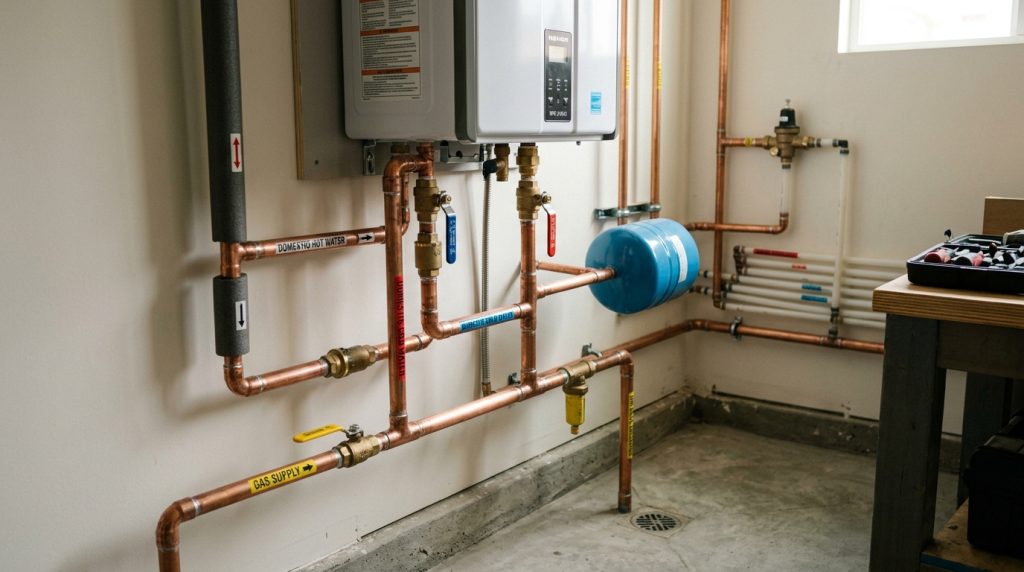
Water heaters, gas connections, and certain supply lines must meet reinforced anchoring and bracing requirements, reflecting California’s earthquake risk.California Plumbing Code vs National Standards (UPC / IPC)
| Category | California Plumbing Code | National Standards | Why California Is Stricter |
|---|---|---|---|
| Water Use | Lower flow limits | Higher allowances | Drought mitigation |
| Materials | State-approved lists | Broader approvals | Water quality control |
| Seismic Rules | Mandatory bracing | Often optional | Earthquake safety |
Do You Need a Plumbing Permit in California in 2026?
In most cases, yes. Permits are commonly required for:- Water heater replacement
- Repiping (PEX or copper)
- Sewer line repair or replacement
- Adding fixtures or relocating plumbing
- Failed inspections during resale
- Insurance claim denial
- Mandatory tear-outs
Top Plumbing Code Violations Inspectors See in California Homes
Based on inspection trends in Los Angeles and surrounding areas, the most common violations include:- Improper drain slope
- Unapproved PEX fittings
- Missing cleanouts
- DIY water heater installations
- Incorrect venting
DIY Plumbing vs Code Compliance: What You Can & Can’t Do
DIY plumbing is legal in California only when it complies fully with code and permit rules. Simple tasks like replacing fixtures are generally allowed, but once you modify supply lines, drains, or gas connections, you may be legally required to pull permits and pass inspections. Code-noncompliant DIY work can also transfer liability back to the homeowner—even years later.How the 2026 Code Impacts Repiping, Hydro Jetting & Leak Detection
The updated code directly affects:- Repipe material selection and installation methods
- Sewer cleaning techniques like hydro jetting
- Leak detection accuracy and documentation


