 Mon-Sat 9AM-6PM
 Make an
Appointment (818) 640-2944
Make an
Appointment (818) 640-2944 2115 W Magnolia Blvd Unit C, Burbank, CA 91506
Water Heater Repair · Nov 12, 2024
What is the Most Common Problem with Water Heaters?
What is the Most Common Problem with Water Heaters?
The most common problem with water heaters is often related to the heating element or thermostat. These components are essential for controlling the water temperature, and any malfunction can lead to cold or inconsistent water temperatures. Other frequent issues include sediment build-up, leaks, and faulty pilot lights. Identifying and addressing these issues early can help extend the lifespan of your water heater and ensure consistent hot water supply in your home.Common Water Heater Problems Explained
Water heaters are essential for daily comfort, from hot showers to warm water for washing dishes. However, like any appliance, they can experience a range of issues over time. Here are some of the most common problems homeowners encounter with their water heaters:- Inconsistent Water Temperature: If you’re experiencing fluctuations in water temperature, it could be due to a faulty thermostat or a broken heating element. Both of these parts control how hot the water gets, and any malfunction will impact water temperature.
- No Hot Water: One of the most frustrating issues, no hot water is often a sign that the heating element is broken or that the thermostat has failed. Gas water heaters may also have issues with the pilot light or gas supply.
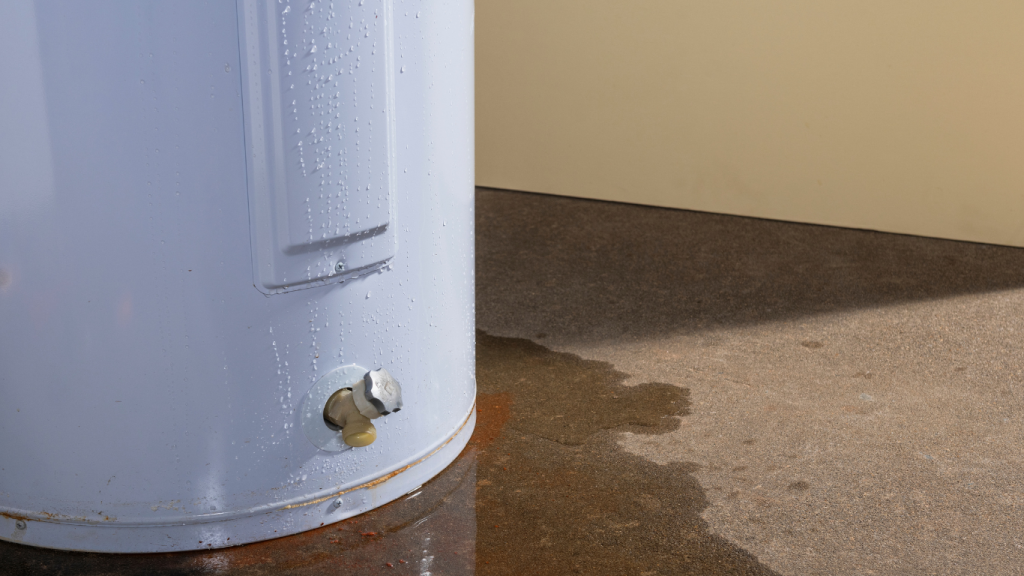
- Water Heater Leaks: Leaks can be caused by a variety of issues, including faulty connections, broken valves, or corrosion inside the tank. Even small leaks can lead to significant water damage if left untreated.
- Strange Noises: Popping or rumbling noises often indicate sediment build-up in the tank. As water heats up, the sediment hardens and can create noise as it moves around inside the tank.
- Low Water Pressure: Low water pressure is sometimes caused by sediment build-up in the pipes or within the water heater itself, restricting water flow.
Sediment Build-Up: A Common Water Heater Issue
One of the most overlooked issues is sediment build-up. Over time, minerals in hard water settle at the bottom of the tank, creating a layer of sediment. This sediment reduces the efficiency of the water heater, as it makes the appliance work harder to heat the same amount of water. Regular flushing of the tank can help prevent this problem, but in cases of severe build-up, professional maintenance may be necessary to clean the tank thoroughly.How to Prevent Common Water Heater Problems
Proper maintenance is key to preventing many water heater issues. Here are some preventive steps you can take:- Flush the Tank Regularly: Flushing the water heater tank once or twice a year can help remove sediment build-up, which improves efficiency and extends the life of the heater.
- Check the Anode Rod: The anode rod helps prevent corrosion in the tank. Inspecting it every few years and replacing it when necessary can prevent rust and prolong the tank’s life.
- Adjust the Temperature: Keeping the temperature set to around 120°F can prevent overheating and reduce energy consumption. Lower temperatures also help reduce sediment build-up.


