 Mon-Sat 9AM-6PM
 Make an
Appointment (818) 640-2944
Make an
Appointment (818) 640-2944 2115 W Magnolia Blvd Unit C, Burbank, CA 91506
Signs a Hidden Leak Is Becoming a Slab Leak
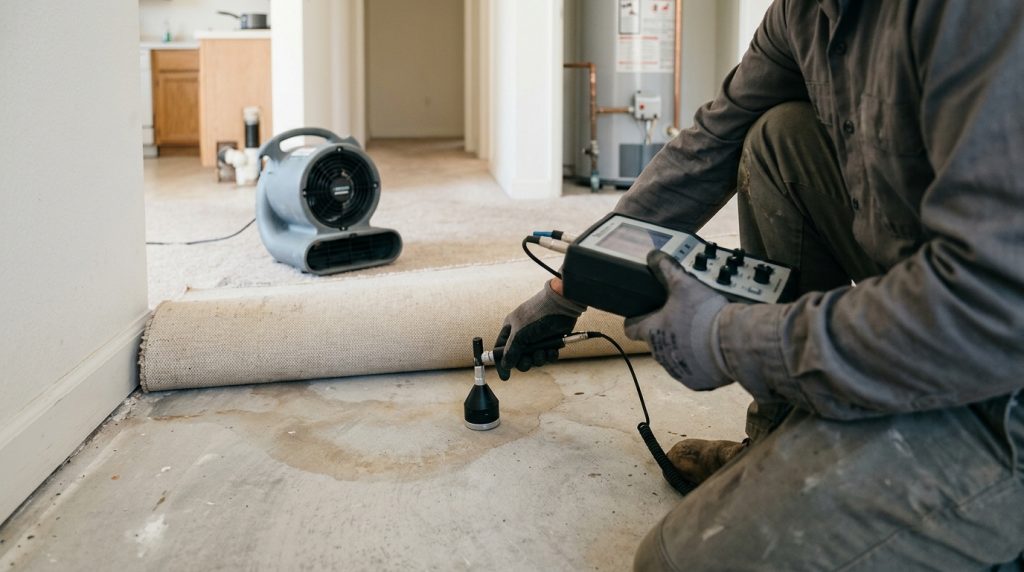
Fast answer: a hidden leak may be moving into slab leak territory when you see more than one warning sign at the same time: unexplained warm spots on the floor, damp flooring near walls, new cracks, a water bill jump, low water pressure, or the sound of running water when everything is turned off. None of those signs proves a slab leak by itself, but they are good reasons to stop guessing and schedule a professional inspection.
Slab leaks are stressful because the pipe is usually out of sight. The problem may be under concrete, behind finished flooring, or close to the foundation. That does not mean every damp spot is a major repair, but it does mean homeowners should pay attention early. The sooner the leak source is found, the easier it is to choose the right next step.
What Is a Slab Leak?
A slab leak is a leak in a water line that runs under or through a concrete slab foundation. In many Burbank and Los Angeles-area homes, plumbing lines may pass beneath the floor before reaching fixtures, laundry rooms, kitchens, bathrooms, or water heaters. If one of those lines starts leaking, water can collect where you cannot easily see it.
Some slab leaks are obvious because water shows up quickly. Others start as a hidden leak that only leaves small clues: a warm patch, a musty smell, flooring that feels different, or a bill that looks wrong. That is why the pattern matters. One symptom may have a simple explanation. Several symptoms together deserve a closer look.
Common Signs a Hidden Leak Could Be Under the Slab
Homeowners often notice the “small” things first. A leak under the slab may not look dramatic at the beginning, but it can create changes around the home that feel unusual.
- Warm spots on the floor. If a hot water line is leaking under the slab, one area of flooring may feel warmer than the surrounding surface.
- Unexplained damp flooring. Carpet, wood, laminate, baseboards, or tile grout may feel damp even when there has been no spill.
- Higher water bills. A sudden increase can point to water running somewhere in the system, especially if usage has not changed.
- Sound of running water. If all faucets and fixtures are off but you still hear water movement, the system should be checked.
- Lower water pressure. Pressure changes can have several causes, but they can also show up when water is escaping from a line.
- Cracks or flooring movement. New cracks, lifted flooring, or shifting baseboards are not proof of a slab leak, but they should not be ignored when paired with moisture signs.
The key is not to diagnose the home from one clue. A warm tile by itself might be nothing. A warm tile, a higher bill, and the sound of water when fixtures are off is a stronger signal that it is time to call for help.
Hidden Leak vs. Slab Leak: How Homeowners Can Think About It
A hidden leak is any leak you cannot easily see. It might be behind a wall, under a sink cabinet, inside a ceiling cavity, near a water heater, below flooring, or under the slab. A slab leak is one specific type of hidden leak.
That distinction matters because not every hidden leak requires the same repair. For example, a leak behind a wall may be accessible through drywall. A fixture supply line may be easier to isolate. A slab leak usually requires a more careful detection process before any repair plan is chosen.
Good leak work starts with locating the source. Guessing can create unnecessary damage, especially if flooring or walls are opened before the actual line is identified. If the symptoms point toward the slab, a plumber can use inspection methods to narrow down the likely location and explain the repair options.
Safe First Steps Before a Plumber Arrives
If you suspect a hidden leak or slab leak, stay practical. You do not need to tear into flooring or walls to “confirm” it yourself. Start with simple, safe observations.
- Turn off faucets, appliances, irrigation, and other water-using fixtures, then listen for running water.
- Check the water meter if you know where it is and can access it safely. Movement when everything is off may suggest a leak.
- Look for damp baseboards, stained flooring, lifted flooring edges, or moisture near cabinets and walls.
- Move rugs, boxes, and furniture away from damp areas if you can do it safely.
- Avoid cutting into walls, lifting flooring, or trying to repair a line under concrete on your own.
If water is actively spreading, shut off the main water valve if it is safe and you know how. If the situation involves electrical outlets, appliances, standing water, or structural concerns, keep distance and get professional help. Slab leak situations can get complicated quickly, and the safest next step is a real inspection.
Why Burbank and LA-Area Homes Need a Careful Inspection
Homes around Burbank, Glendale, and greater Los Angeles include a wide mix of ages, remodel histories, flooring materials, and plumbing layouts. Some properties have older lines. Others have been partially repiped or remodeled over time. That makes leak symptoms harder to read without seeing the system in person.
For example, a pressure issue in one bathroom might come from a fixture, but pressure changes across the whole home may point to something larger. Moisture near one wall might be a drain, supply line, appliance, or exterior issue. A warm area on the floor might suggest a hot water line, but the exact source still has to be verified.
That is why Zenon Plumbing & Restoration’s blog guidance stays conservative: symptoms are signals, not a final diagnosis. A local plumber needs to inspect the home, listen to what changed, and match the symptoms to the actual plumbing layout before recommending a repair.
When to Schedule Slab Leak Repair Help
It is smart to schedule help when the signs are persistent, spreading, or stacked together. Do not wait for the floor to feel soaked or for damage to become visible across multiple rooms. Earlier detection can help limit unnecessary disruption and give you clearer options.
If the signs point below the floor, Zenon can help homeowners evaluate the issue and discuss next steps for slab leak repair. The goal is not to scare you into a major repair. The goal is to identify whether the leak is actually under the slab and what kind of repair makes sense for the home.
You should call sooner if you notice any of the following:
- water meter movement when every fixture is turned off
- a hot floor area that keeps returning
- damp flooring or baseboards with no clear spill or appliance source
- new flooring movement plus moisture signs
- unexplained water bill increases
- running-water sounds behind walls or under floors
What Not to Do
Do not pour chemicals, drill into flooring, open concrete, or assume the first visible wet spot is the source. Water can travel before it shows up, especially around slab edges, flooring transitions, cabinets, and walls. A repair plan based on the wrong location can create extra damage without solving the leak.
Also avoid delaying because the symptom seems small. Small does not always mean harmless, and big does not always mean catastrophic. The honest answer is that leak severity depends on the line, location, water movement, access, and how long it has been happening.
Bottom Line for Homeowners
A hidden leak may be becoming a slab leak when moisture, sound, pressure, warm-floor, bill, or flooring changes show up together. You do not need to panic, but you should not keep guessing either. Document what you are seeing, shut off water if there is active leaking and it is safe to do so, then get the home inspected.
Zenon Plumbing & Restoration
Need help with this plumbing problem in Burbank? Call (818) 640-2944. Phone answered 24/7; on-site service Mon-Sat 9 AM–6 PM.


