 Mon-Sat 9AM-6PM
 Make an
Appointment (818) 640-2944
Make an
Appointment (818) 640-2944 2115 W Magnolia Blvd Unit C, Burbank, CA 91506
Can a Small Leak Cause Mold? What Burbank Homeowners Should Know
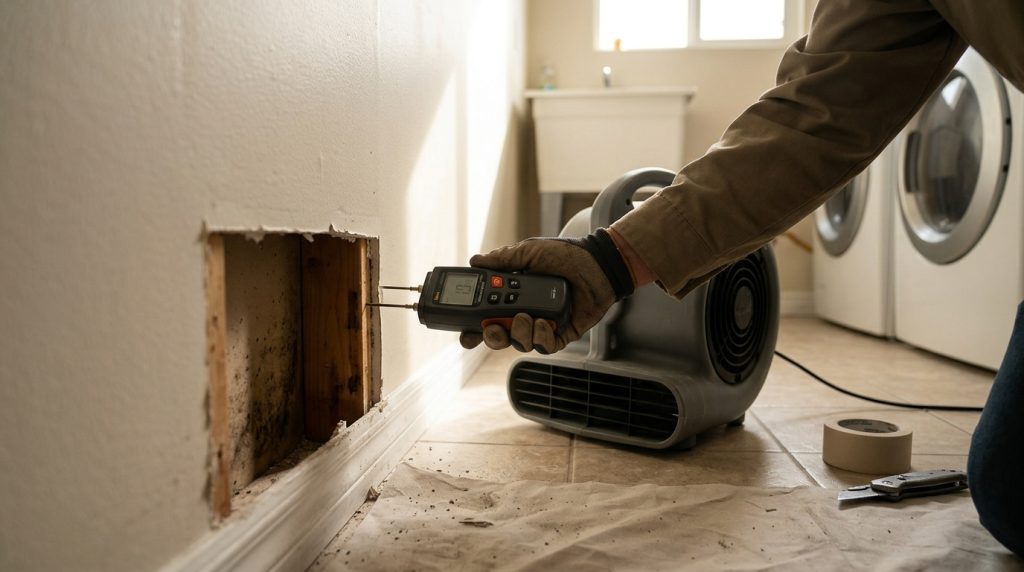
A small leak can turn into a bigger water damage problem when moisture sits long enough behind a wall, under flooring, inside a cabinet, or near drywall. The safest short answer is this: stop the water source if you can do it safely, dry what you can see, document the area, and have the hidden moisture checked before assuming the problem is over.
For Burbank homeowners, this is especially important in older homes, apartment units, and remodeled spaces where a slow drip can travel behind finishes before it becomes obvious. A tiny supply-line leak under a sink may look harmless on the first day, but the materials around it can stay damp after the puddle is wiped up.
Can a small leak really lead to mold?
Yes, a small leak can create conditions where mold may develop, especially if moisture is trapped and the area does not dry properly. That does not mean every drip automatically becomes a mold problem. It means the combination of water, time, limited airflow, and absorbent materials can make a small leak more serious than it looks.
The biggest mistake is judging the problem only by what you can see from the outside. Dry tile, a clean cabinet floor, or a freshly wiped baseboard can hide moisture inside drywall, wood, insulation, or flooring layers. If a leak has been active for more than a short period, or if you do not know how long it has been happening, it is worth taking it seriously.
Where slow leaks hide in Burbank homes
Small plumbing leaks often start in places homeowners do not check every day. In Burbank and the greater Los Angeles area, many homes have a mix of older plumbing, newer fixtures, additions, and tight utility spaces. That can make leak paths less obvious.
- Under kitchen and bathroom sinks: supply lines, drain assemblies, and shutoff valves can drip slowly into cabinets.
- Behind toilets: a loose connection or wax-ring issue may affect flooring before it is obvious from the room.
- Near water heaters: small leaks around fittings, pans, or nearby valves can spread into surrounding surfaces.
- Inside walls: pinhole leaks, shower valve leaks, or supply-line problems may show up as stains, soft drywall, or paint changes.
- Under flooring: moisture can travel under laminate, wood, or vinyl before the surface looks damaged.
If you are seeing repeated dampness in the same area, do not keep drying the surface and waiting. Repeated moisture usually means the source has not been fully corrected.
Early warning signs that moisture may be trapped
Not every warning sign is dramatic. Slow leaks usually give quieter clues first. Watch for changes that repeat, spread, or return after cleaning.
- a musty smell in one room, cabinet, hallway, or closet
- paint bubbling, peeling, or changing texture
- baseboards swelling or separating from the wall
- cabinet floors that feel soft, warped, or stained
- flooring that cups, lifts, or feels spongy
- new spots on ceilings or walls below bathrooms, kitchens, or laundry areas
- condensation or dampness that keeps coming back
These signs do not prove mold or structural damage on their own. They do mean the area deserves a closer look before it becomes more expensive to dry, repair, or rebuild.
What to do first when you find a small leak
Start with safe, practical steps. If the leak is coming from a fixture, shut off the local supply valve if you can reach it without forcing anything. If water is spreading quickly or you cannot identify the source, use the main shutoff valve if it is safe and you know where it is.
Next, move items away from the wet area and take photos before cleanup. Photos help you track whether the wet area grows and can also be useful if a property manager, landlord, or insurer needs documentation. Wipe up standing water and improve airflow with fans only if there is no electrical concern and the area is safe to access.
Do not cut into walls, pull up flooring, handle suspected mold, or open wet electrical areas as a DIY project. Hidden moisture work can involve plumbing, drying, and repair decisions that are hard to judge from the surface.
When drying the surface is not enough
A towel and fan may be enough for a very small spill that you saw happen and cleaned right away. A plumbing leak is different because you may not know how long water has been active or where it traveled.
Consider a professional moisture check if the leak was inside a cabinet, wall, ceiling, flooring layer, or behind a fixture. Also call for help if the same spot gets wet again, if there is a musty odor, or if materials feel soft after they should have dried.
Zenon can help homeowners connect the plumbing source with the cleanup side of the problem. If you need Burbank-focused help after a leak, the team’s water damage restoration service in Burbank can help assess moisture, drying needs, and the next steps after the plumbing issue is controlled.
How plumbers and restoration teams look at slow-leak damage
A good response is not just “fix the pipe” or “dry the room.” The first question is where the water came from. The second is where it went. Those are two different problems, and both matter.
The plumbing side focuses on the leak source: a valve, fitting, drain line, appliance connection, water heater component, or hidden pipe. The restoration side looks at moisture spread, affected materials, drying needs, and whether the area can be monitored or needs further work. Homeowners get better outcomes when those steps are coordinated instead of treated separately.
That is why guessing from a photo is risky. A stain on drywall may be minor, or it may be the visible edge of a larger damp area. A cabinet bottom may look dry while the wall behind it is still wet. A real inspection is the difference between “probably fine” and a clearer plan.
A local note for Burbank and nearby LA homes
Local housing stock matters. Many Burbank homes have older plumbing runs, slab foundations, crawl spaces, additions, or past remodels where pipes and drains may not be easy to see. Condos and apartments can add another layer because a leak may involve shared walls, units above or below, or building management rules.
If you live in a multi-unit property, notify the right property contact early while you work on stopping the water. If you own a single-family home, keep a simple record of when you first noticed moisture, what you shut off, and whether the wet area changed. That kind of timeline helps the technician understand what happened before arriving.
When to call instead of waiting
Call for help if you see active dripping, spreading stains, soft materials, recurring moisture, or a musty smell that does not go away. You should also call if the leak is near electrical components, a water heater, a ceiling, a wall cavity, or flooring that is starting to lift.
Small leaks are easier to manage when they are caught early. Waiting can turn a simple plumbing repair into a larger drying and repair project. The goal is not to panic; it is to confirm the source, check for hidden moisture, and avoid guessing.
Zenon Plumbing & Restoration
Need help with a leak or moisture concern in Burbank? Call (818) 640-2944. Phone answered 24/7, on-site Mon-Sat 9 AM–6 PM. You can also contact Zenon online to request help.


