 Mon-Sat 9AM-6PM
 Make an
Appointment (818) 640-2944
Make an
Appointment (818) 640-2944 2115 W Magnolia Blvd Unit C, Burbank, CA 91506
Drywall Wet After a Pipe Leak: What Homeowners Should Do Next
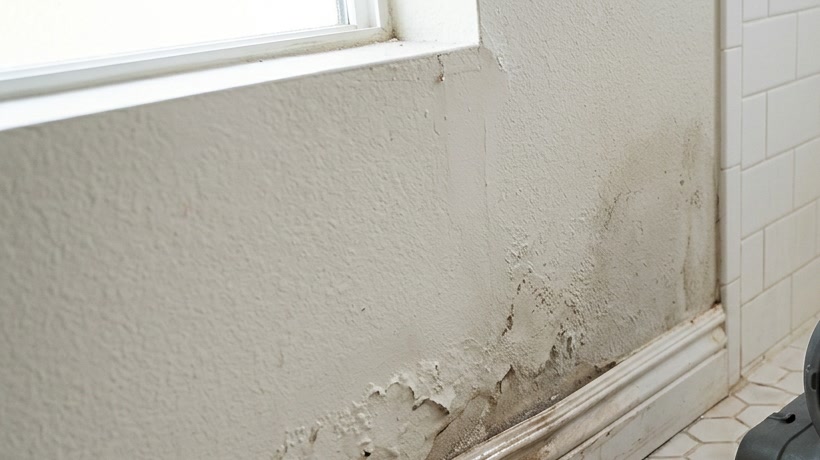
Fast answer: If drywall is wet after a pipe leak, stop the water source if you can do it safely, keep people away from electrical hazards, document the damage, and start gentle air movement only after the active leak is controlled. Do not assume drywall is dry because the surface feels better. Moisture can sit inside the wall cavity, behind baseboards, or under flooring, especially in older Burbank and Los Angeles-area homes.
Wet drywall is one of those plumbing problems that looks smaller than it may be. A pipe leak might leave a visible stain, bubbling paint, a soft spot near the baseboard, or a damp ceiling below a bathroom. Sometimes the puddle is gone by the time you notice the wall. The important thing is to slow the damage without guessing at what is happening inside the wall.
What should you do first when drywall gets wet from a pipe leak?
Start with the source of the water. If you know where the shutoff valve is and can reach it without stepping into standing water or touching wet electrical areas, shut off the water to the fixture or the home. If the leak is near a toilet, sink, washing machine, water heater, refrigerator line, or upstairs bathroom, there may be a local valve nearby. If the leak is hidden or the water is still spreading, the main shutoff may be the safer choice.
Once the water is stopped, move furniture, rugs, boxes, and personal items away from the wet wall. Take clear photos or short videos before moving too much around. Good documentation can help you explain what happened later, even if no insurance relationship has been confirmed or discussed yet.
Then look for obvious hazards. Wet drywall near outlets, switches, ceiling lights, appliance cords, or a breaker panel deserves extra caution. Do not open walls, run fans directly into electrical areas, or remove wet material if wiring could be involved. That is a situation where it is better to wait for in-person help.
Can wet drywall dry on its own?
Sometimes a small, clean, short-lived leak can dry without major removal, but that is not something to diagnose from the surface. Drywall has paper facing and a gypsum core, and the surrounding materials matter too: insulation, wood framing, baseboards, flooring, cabinets, and paint can all slow drying.
A wall may feel dry on the front while moisture remains behind it. That is why the safest mindset is: dry what you can see, then verify what you cannot see. A moisture meter, careful inspection, and the pattern of the leak can help determine whether the wall is actually drying or whether hidden moisture is still trapped.
For homeowners dealing with wet drywall, Zenon’s Burbank water damage restoration team can help evaluate plumbing-related water damage and the next safe steps without turning a blog article into an in-person diagnosis.
When is wet drywall more serious?
Wet drywall deserves quicker attention when the leak was active for a long time, water came from above, the wall feels soft, paint is bubbling, baseboards are swelling, or the floor near the wall feels spongy. It is also more serious if the leak is near electrical fixtures, inside a shared wall, under a second-story bathroom, or behind cabinets where air movement is limited.
In Burbank, Glendale, and many Los Angeles neighborhoods, homes and apartments can have older plumbing layouts, patchwork remodels, tight wall cavities, and mixed flooring materials. A small supply-line leak upstairs can show up as a ceiling stain downstairs. A cabinet leak can travel behind the toe kick before it reaches open floor. A wall near a laundry area may hide moisture behind trim even when the room looks normal.
Those patterns do not prove structural damage or mold. They simply mean the area should be checked carefully before it is painted over, patched, or ignored.
Should you cut out wet drywall yourself?
Do not start cutting drywall just because a wall got wet. Opening a wall can expose wiring, insulation, sharp fasteners, contaminated materials, or a pipe that is still under pressure. It can also make the repair more complicated if the original leak has not been identified.
Safe homeowner steps usually include shutting off the water, moving belongings, documenting the area, removing surface water, and improving gentle ventilation if there are no electrical hazards. Unsafe steps include cutting into walls near utilities, using high heat, drilling exploratory holes without knowing what is behind the wall, or treating a hidden leak as a cosmetic paint problem.
If drywall is sagging, crumbling, showing a spreading stain, or repeatedly getting damp, it is time for an in-person assessment. The goal is not to panic; it is to avoid sealing moisture into the wall.
What about fans and dehumidifiers?
Fans and dehumidifiers can help after the water source is controlled, but they are not magic. Air movement across the surface does not always dry the back side of drywall, the inside of a cabinet, or the space behind baseboards. Running equipment too soon can also spread dust or create a false sense of progress if the leak is still active.
If you use a fan, keep it away from wet outlets and cords. Avoid extension-cord tangles in damp rooms. If the area smells musty, the drywall stays cool or damp, or the stain grows after the leak is supposedly fixed, stop relying on surface drying and get the area checked.
How do you know whether the pipe leak is really fixed?
Wet drywall is often the symptom, not the source. Before repairing the wall, make sure the plumbing problem has been addressed. Watch for fresh moisture after someone uses the shower, toilet, sink, dishwasher, washing machine, or ice-maker line. Check whether the water meter moves when everything is off. Listen for dripping in the wall or ceiling. Look for new stains along the baseboard or below the original leak area.
That does not mean every water stain is a major plumbing emergency. But if you patch drywall before the pipe leak is fixed, the same problem can return behind a fresh coat of paint.
Local trust note for Burbank homeowners
Plumbing-related water damage is stressful because it affects both the home and the schedule of everyone living there. Zenon Plumbing & Restoration serves Burbank and nearby Los Angeles-area communities with practical plumbing and restoration help for homeowners, landlords, and property managers. The right response depends on the source of the leak, how long materials stayed wet, and what is behind the wall — details that need to be checked in person.
When should you call for help?
Call for help if the water source is not fully controlled, drywall remains damp after initial drying, the leak is near electrical areas, the wall or ceiling is soft, or the same spot keeps staining again. You should also call if the leak affected flooring, cabinets, baseboards, or a downstairs ceiling.
For active leaks, shut off the water if safe and call (818) 640-2944. Phone answered 24/7, on-site Mon-Sat 9 AM–6 PM. You can also use the Zenon contact page to request help with a plumbing leak or water-damage concern.
Zenon Plumbing & Restoration
Need help with this plumbing problem in Burbank? Call (818) 640-2944. Phone answered 24/7; on-site service Mon-Sat 9 AM–6 PM.


