 Mon-Sat 9AM-6PM
 Make an
Appointment (818) 640-2944
Make an
Appointment (818) 640-2944 2115 W Magnolia Blvd Unit C, Burbank, CA 91506
Los Angeles Older Homes: Plumbing Leak Checks Before Flooring Replacement
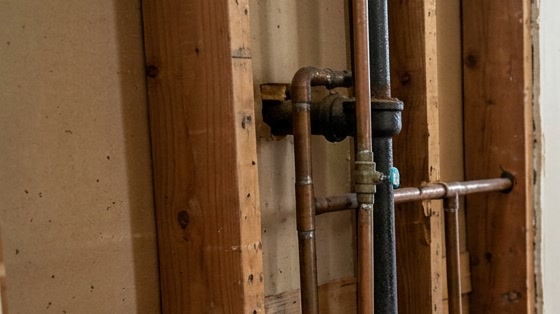
Replacing floors is already a big project. The last thing any Los Angeles homeowner wants is to install new flooring over a slow plumbing leak, trapped moisture, or a problem that should have been checked first.
Fast answer: before replacing flooring in an older LA home, look for moisture patterns, stains, musty smells, soft spots, warped trim, and signs that the issue is coming from a nearby plumbing line or fixture. You do not need to diagnose the exact source yourself. The goal is to slow down damage, avoid covering up a hidden leak, and know when it is time to bring in a plumber for leak detection.
This is especially important in older homes and apartments around Los Angeles, where remodels often uncover aging supply lines, old shutoff valves, past water damage, or flooring that has been hiding a small leak for a while.
Why leak checks matter before flooring replacement
New flooring can make a room look fresh, but it can also hide a problem if the surface underneath is not dry and stable. A slow leak under a sink, behind a wall, near a toilet, around a water heater, or beneath a slab may not always show up as standing water. Sometimes the first clue is a stain at the baseboard, a section of flooring that feels different, or a smell that returns after cleaning.
If new flooring goes down before the source is checked, the same moisture can keep spreading underneath. That can lead to callbacks with the flooring contractor, damage to new materials, and a much more frustrating repair path later.
A quick homeowner check cannot replace professional testing, but it can help you decide whether the project should pause long enough for a plumbing inspection.
Start with the room and nearby plumbing fixtures
Before assuming the floor itself is the problem, look at what plumbing is nearby. In many older LA homes, water marks near flooring are connected to everyday fixtures rather than a dramatic pipe failure.
- Bathrooms: toilets, tubs, showers, vanity supply lines, sink drains, and shutoff valves
- Kitchens: sink cabinets, dishwasher supply lines, refrigerator water lines, and drain connections
- Laundry areas: washer hoses, wall boxes, standpipes, and floor drains
- Hallways or bedrooms: shared plumbing walls, slab lines, or water heater locations nearby
Do not pull apart walls or flooring just to investigate. Instead, note what is close to the stain or soft area. That context helps a plumber narrow down the inspection without guesswork.
Signs the flooring issue may be plumbing-related
Not every flooring problem is a plumbing leak. Spills, pet accidents, exterior water intrusion, cleaning water, and older flooring adhesive can all create confusing signs. Still, certain patterns are worth taking seriously before a flooring replacement moves forward.
- A stain that returns after the area dries or gets cleaned
- Baseboards that are swollen, stained, or separating from the wall
- Flooring that feels soft, cupped, buckled, or uneven in one area
- A musty smell near a wall, cabinet, or bathroom fixture
- Paint bubbling low on a wall near the floor
- Water meter movement when no fixtures are being used
- Moisture near a toilet base, shower wall, tub, dishwasher, or washer
One sign by itself does not prove there is a plumbing leak. But if you see more than one of these, or if the issue is close to a plumbing line, it is smart to pause before covering it with new flooring.
What homeowners can safely check first
There are a few simple checks you can do without opening walls, handling electrical areas, or taking apart plumbing.
- Look inside sink cabinets for damp cabinet bottoms, staining, or active drips.
- Check around toilet bases for moisture, rocking, or discoloration.
- Look behind appliances only if they can be moved safely without forcing water lines.
- Feel nearby baseboards for swelling or softness, but do not cut into wet materials.
- Watch the water meter when all fixtures are off, if you know where it is and can access it safely.
- Take photos of stains or warped areas before the flooring contractor removes anything.
If you see active water, shut off the nearest fixture valve if safe. If the source is unclear or water is spreading, use the main shutoff if you know where it is and can reach it safely. Then call for help instead of trying to keep investigating around wet flooring.
When to pause the flooring project and call a plumber
It is reasonable to pause the flooring replacement when there is evidence of ongoing moisture, not just old staining. A plumber can help determine whether the issue is connected to a fixture, supply line, drain line, or hidden leak before new materials are installed.
Consider calling before work continues if:
- The subfloor, slab area, or baseboard feels damp.
- The water mark is near a plumbing wall or fixture.
- The flooring contractor finds moisture after removing old flooring.
- You notice a sudden water bill change or unexplained meter movement.
- The same stain or smell has returned more than once.
- There is water near electrical outlets, appliances, or walls.
For hidden moisture or unclear water patterns, Zenon’s Los Angeles leak detection service can help homeowners check the plumbing side before a flooring project covers up the problem.
Why older Los Angeles homes need extra caution
Many Los Angeles homes have been remodeled more than once. Flooring may have been layered, patched, or replaced room by room over the years. In some homes, older pipes, past repairs, slab movement, and aging shutoff valves can make moisture problems harder to read from the surface.
That does not mean every stain is a major plumbing emergency. It does mean that a “looks dry enough” decision can be risky when new flooring is about to be installed. Taking a little time to check the plumbing side can save the homeowner from tearing out new floors later.
For landlords and property managers, the same logic applies. Document what was found, keep photos, and get the water source checked before approving finish work. That creates a clearer record and helps avoid confusion between flooring damage, tenant-reported leaks, and older building conditions.
What not to do before the leak is checked
When flooring is already scheduled, it is tempting to rush. But a few shortcuts can make the situation worse.
- Do not install new flooring over damp materials.
- Do not seal stains with paint or primer until the water source is understood.
- Do not assume the problem is “just old damage” if the smell or stain is returning.
- Do not cut into wet walls or floors around electrical areas.
- Do not rely on chemical drain cleaners to solve a suspected hidden leak.
- Do not let a small active leak continue while waiting for the flooring work to start.
If the leak is connected to a fixture, supply line, drain line, or slab line, the plumbing issue should be handled before the flooring repair is treated as finished.
How a plumber may narrow down the source
The exact inspection depends on what is visible and where the moisture appears. A plumber may check fixture connections, shutoff valves, drain lines, nearby appliances, water pressure clues, meter movement, and moisture patterns around the affected area. In some situations, non-invasive leak detection tools may help narrow the source before walls or flooring are opened further.
The important point is that the inspection should match the home. A ceiling stain below a bathroom is different from cupping flooring near a kitchen. Damp baseboards along a plumbing wall are different from moisture near an exterior door. Good troubleshooting starts with the pattern, not a guess.
Local help before new flooring goes in
If you are replacing floors and something looks damp, stained, warped, or suspicious, it is better to check before the new materials go down. Need help with the plumbing side first? Call Zenon Plumbing & Restoration at (818) 640-2944. Phone answered 24/7, on-site Mon-Sat 9 AM–6 PM.
Before the floor is covered, check the plumbing
If the flooring contractor found moisture or you see leak clues near a fixture, Zenon can help you think through the next step. You can also start from the main plumbing service hub to find the right service path.


