 Mon-Sat 9AM-6PM
 Make an
Appointment (818) 640-2944
Make an
Appointment (818) 640-2944 2115 W Magnolia Blvd Unit C, Burbank, CA 91506
Why Drains Back Up in Multiple Fixtures at Once
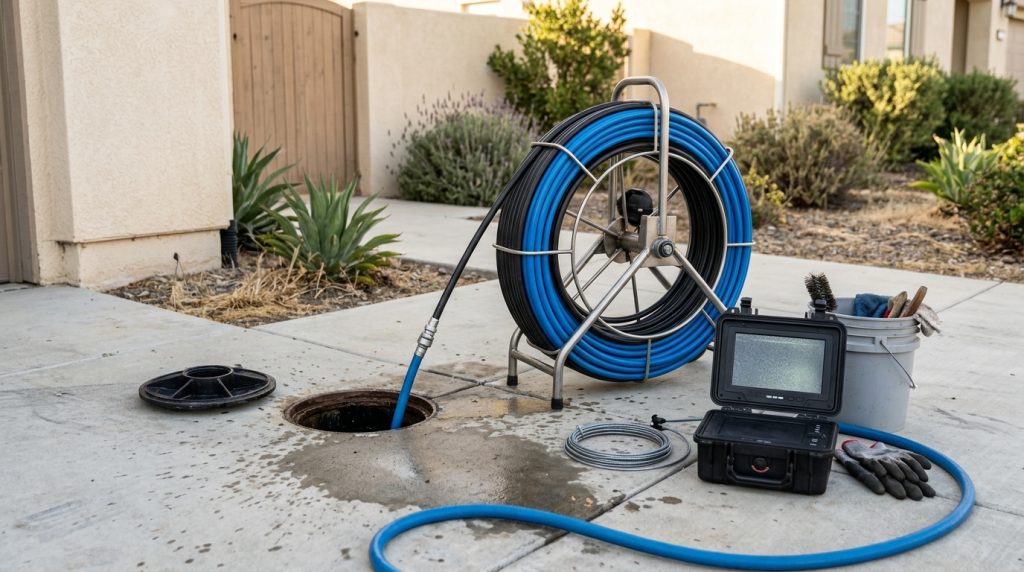
When one sink drains slowly, the problem may be local to that fixture. When several drains back up at the same time, the issue is more likely deeper in the drain system. In a Burbank or Los Angeles-area home, that can mean a shared branch line, a blocked main sewer line, a clogged cleanout, or a plumbing vent issue that needs an in-person inspection.
The fast answer: stop running water, do not keep flushing toilets to “test” the problem, and avoid chemical drain cleaners if water is already backing up. If wastewater is coming up through a tub, shower, floor drain, or toilet, treat it as urgent. A plumber can check whether the blockage is isolated or whether the home needs professional drain and sewer repair.
Why multiple drains backing up is different from one slow drain
A single clogged bathroom sink is often caused by hair, soap buildup, toothpaste residue, or a small trap blockage. A kitchen sink that backs up by itself may be dealing with grease, food debris, or a garbage-disposal issue. Those are still frustrating, but they are usually local problems.
Multiple fixtures backing up at once points to a bigger shared path. Plumbing drains connect together before they leave the home. If a clog forms downstream of several fixtures, water from one area may have nowhere to go and can show up somewhere else. That is why running a washing machine can make a nearby toilet bubble, or why flushing an upstairs toilet can send water into a downstairs shower.
The important point is not to guess. The same symptom can come from different causes depending on the home’s age, pipe material, layout, cleanout access, and recent plumbing history.
Common signs the problem may be in the main drain or sewer line
Homeowners should pay close attention to patterns. A main drain or sewer-line issue may show up as:
- Toilets bubbling or gurgling when a shower, tub, or washing machine drains
- Water backing up in a tub or shower when a toilet is flushed
- Several sinks draining slowly at the same time
- A floor drain releasing water after heavy water use
- Sewer-like odors near more than one drain
- Wet areas near a cleanout, basement drain, garage drain, or exterior drain point
- Repeated clogs that come back after plunging or snaking one fixture
These signs do not automatically prove the sewer line is damaged. They do mean the problem is worth taking seriously, especially if the backup involves wastewater or more than one room.
What can cause several fixtures to back up at once?
Several plumbing problems can create the same “everything is backing up” feeling. The most common include:
A blockage downstream of multiple fixtures
If a clog sits past the point where a bathroom group, kitchen line, or laundry line connects, more than one fixture can be affected. The blockage might be grease, wipes, paper products, hair, sludge, scale, or a combination of buildup that narrowed the pipe over time.
A main sewer line restriction
The main sewer line carries wastewater away from the house. If that line is restricted, water from toilets, sinks, tubs, showers, and appliances may not drain normally. Older LA-area homes can be more vulnerable to root intrusion, settled pipes, older pipe materials, and years of buildup, but the exact cause should be confirmed on site.
Tree roots or damaged pipe sections
Tree roots can enter through small pipe joints, cracks, or weak spots where moisture is present. Over time, roots can catch debris and create a blockage. A damaged or offset pipe can do the same thing. These issues usually require more than a quick plunger fix.
A venting or air-flow problem
Plumbing vents help drains move water by allowing air into the system. If venting is restricted, fixtures may gurgle or drain poorly. Vent problems can look like a drain blockage from the homeowner’s perspective, which is another reason a proper inspection matters.
What should you do first when multiple drains back up?
Start with damage control, not repeated testing. If water is backing up, every extra flush, dishwasher cycle, or laundry load can add more water to a system that is already struggling.
- Stop using water in the affected part of the home if possible.
- Do not flush again if a toilet is bubbling, slow, or overflowing.
- Turn off appliances that send water down the drain, including washers and dishwashers.
- Keep people away from wastewater if sewage or dirty water is coming up through a drain.
- Do not pour chemical drain cleaner into a backed-up fixture. It may sit in the line and make service more difficult or hazardous.
- Take photos of visible backup or water damage if you may need them for documentation.
If you can safely identify the main water shut-off and there is active flooding from a supply-side leak, shutting off water may help. For a drain or sewer backup, the bigger step is to stop sending more water into the drains until the problem is checked.
When is this urgent?
Multiple drains backing up becomes urgent when water is rising, wastewater is involved, the backup reaches living areas, or the problem affects toilets and showers at the same time. It is also urgent if a backup appears after heavy water use and then returns quickly after a fixture is cleared.
Zenon’s approved availability wording is simple: phone answered 24/7, on-site service Mon-Sat 9 AM–6 PM. If you are dealing with an active backup, call for guidance and avoid making the problem worse with repeated flushing, chemical cleaners, or DIY sewer-line work.
How a plumber may narrow down the cause
A plumber will usually start by asking where the backup appears, which fixtures are affected, whether the issue began suddenly or slowly, and what was running when the backup happened. The next step may involve checking accessible cleanouts, testing fixture groups, and deciding whether equipment is needed to clear or inspect the line.
In some cases, a simple local clog is still possible. In others, the pattern points to a main-line restriction, root intrusion, or a damaged section that needs a more careful approach. The goal is not just to make water disappear for the moment. It is to understand why several fixtures were affected so the same backup does not return a few days later.
Local note for Burbank and LA-area homes
Many homes around Burbank, Glendale, and Los Angeles have plumbing systems that have been repaired, added onto, or updated in stages. Older drain lines, mature trees, hillside lots, apartment-style layouts, and mixed pipe materials can all affect how a backup shows up. A symptom that looks simple at the fixture may be connected to a deeper drain route behind walls, under the slab, or outside the house.
That is why broad internet advice can only go so far. A homeowner can safely stop water use, protect the area, and note the symptoms, but the repair decision should come from an in-person look at the actual plumbing system.
When to call Zenon
If more than one drain is backing up, or if one fixture causes another to bubble or overflow, it is time to get the drain system checked. Zenon Plumbing & Restoration helps LA-area homeowners with plumbing and drain problems, including backups that may involve a shared line or sewer issue.
Need help deciding what is going on? Start with Zenon’s plumbing and drains service hub, or call (818) 640-2944. Phone answered 24/7, on-site service Mon-Sat 9 AM–6 PM.
Zenon Plumbing & Restoration
Need help with this plumbing problem in Burbank? Call (818) 640-2944. Phone answered 24/7; on-site service Mon-Sat 9 AM–6 PM.


