 Mon-Sat 9AM-6PM
 Make an
Appointment (818) 640-2944
Make an
Appointment (818) 640-2944 2115 W Magnolia Blvd Unit C, Burbank, CA 91506
Aging Supply Lines in Older LA Homes: Leak Warning Signs to Watch
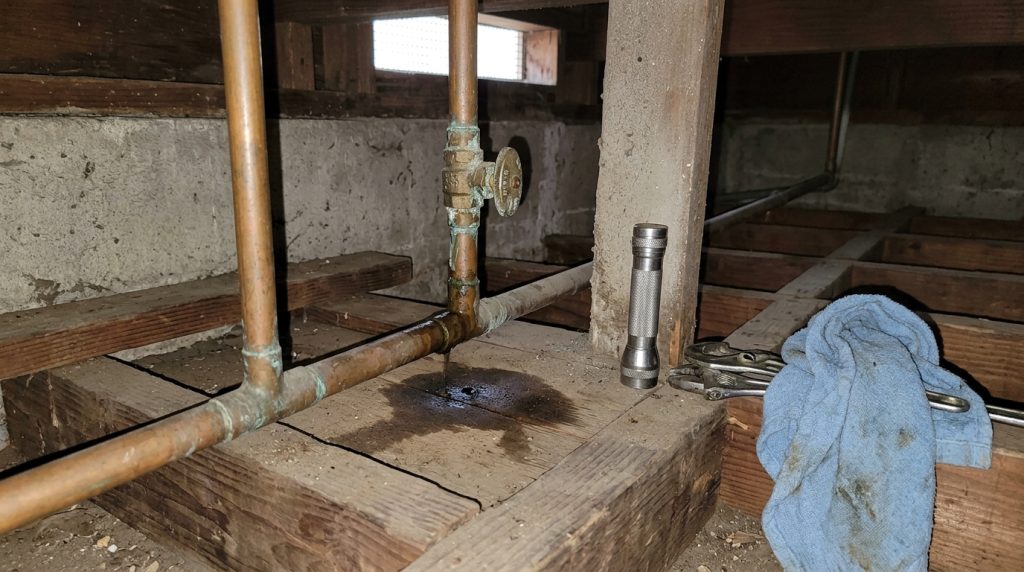
Older Los Angeles homes can have beautiful character, but the plumbing behind the walls may have been through decades of use, repairs, remodels, and water-pressure changes. If a supply line is starting to fail, the first signs are often small: a damp cabinet floor, a stain near a baseboard, a little corrosion at a valve, or a musty smell that comes and goes.
Fast answer: if you see new moisture near a sink, toilet, water heater, refrigerator line, laundry area, or wall shared with plumbing, treat it as a leak warning sign until proven otherwise. Shut off the nearby fixture valve if it is safe, dry the visible water, avoid opening walls or flooring yourself, and watch whether moisture returns. For leak checks in older homes, Zenon can help with Los Angeles leak detection when the source is not obvious.
What Is a Supply Line?
A supply line is the pipe or hose that brings clean water to a fixture or appliance. In a home, supply lines may feed sinks, toilets, showers, tubs, washing machines, dishwashers, refrigerators, water heaters, and outdoor fixtures.
Some supply lines are easy to see, like the flexible hose under a sink. Others are hidden inside walls, ceilings, floors, crawl spaces, or behind appliances. That is why a leak can show up several feet away from the actual source. Water follows framing, flooring seams, pipe paths, and gravity, so the wet spot you notice is not always where the leak began.
Why Older LA Homes Deserve Extra Attention
Many Los Angeles-area homes have been updated in stages. A kitchen may have newer cabinets but older shutoff valves. A bathroom may have newer fixtures tied into older piping. Laundry rooms and water heaters may have been moved, replaced, or reworked over time.
That mixed history matters. Older valves can stiffen. Flexible connector hoses can age. Wall pipes can be stressed by previous repairs. Hard water, vibration, small movement, and normal wear can all make weak points show up gradually. This does not mean every older home has a major plumbing problem, but it does mean small warning signs are worth taking seriously.
Early Warning Signs of a Supply Line Leak
Supply line leaks are not always dramatic. Watch for these clues:
- Damp cabinet bottoms under sinks, especially near shutoff valves or supply hoses.
- Water stains on baseboards near bathrooms, kitchens, laundry areas, or refrigerators.
- Soft flooring around a toilet, vanity, dishwasher, or washing machine.
- Corrosion or mineral buildup around valves, fittings, or visible connections.
- A faint dripping sound when no fixture is running.
- Musty odor in one room, cabinet, or closet.
- Paint bubbling or drywall swelling near a fixture wall.
- A water bill change that does not match normal household use.
One clue by itself does not automatically confirm a hidden leak. A spill, condensation, appliance issue, or old stain may look similar. The important question is whether the area is active, spreading, or returning after you dry it.
Places Homeowners Often Forget to Check
Under-sink cabinets are the obvious place to start, but supply line leaks often begin in less visible spots. If you are doing a quick homeowner check, look around:
- toilet supply valves and the floor behind the toilet
- washing machine hot and cold supply hoses
- dishwasher connections under the sink or behind the unit
- refrigerator ice-maker or water-dispenser lines
- water heater connections and nearby flooring
- vanities that share a wall with another bathroom
- closets or hallways behind wet walls
Use a flashlight and your hand only where it is safe. Do not touch electrical outlets, wet wiring, gas components, or anything that looks unstable. If water is near electricity, stay back and get help.
What to Do When You Notice Moisture
If you catch a possible supply line leak early, a calm first step can prevent the situation from getting worse. Start with the closest shutoff valve if you can reach it safely. Under a sink or toilet, this is usually a small valve on the wall or floor. For a washing machine, the valves are usually behind the appliance. Turn the valve clockwise gently; do not force a stuck valve.
Next, dry the visible water with towels and take a few photos. Photos help you compare whether the area is spreading later. If you have a fan, you can move air across the room, but do not rely on surface drying if water may be inside drywall, flooring, or cabinets.
Then watch the area. If moisture comes back, the stain grows, the floor softens, or you hear dripping, stop using that fixture or appliance until the source is checked. If you cannot isolate the fixture, or if water is actively spreading, use the main shutoff if you know where it is and can operate it safely.
When It Is More Than a Small Drip
Some leaks can wait long enough for a scheduled visit. Others need faster attention. Treat the situation as more urgent if:
- water is actively dripping from a ceiling or light area
- flooring is swelling, buckling, or feeling soft
- the leak is near electrical panels, outlets, or appliances
- you cannot shut off the fixture or the main water
- water is spreading into another room, unit, or downstairs area
- you smell a strong musty odor or see dark spotting on wet material
Do not cut into walls, pull up flooring, or remove cabinets just to hunt for the source. That can make repairs harder and may expose hidden hazards. A plumbing team can narrow down the likely source without turning a small investigation into a bigger project.
Why Guessing Can Cost More Than Checking
Supply line leaks can be tricky because water moves. A wet baseboard in a hallway may trace back to a bathroom. A stain under a kitchen cabinet may come from a dishwasher line, sink valve, refrigerator line, or pipe inside the wall. In older LA homes, past remodels can make the path even less obvious.
Guessing often leads to the wrong fix: replacing a visible hose while the hidden valve keeps leaking, drying the floor while the wall stays damp, or ignoring a stain because it looks old. A proper check looks at the pattern, nearby fixtures, shutoff behavior, visible fittings, and whether moisture is active.
Local Trust: LA Homes Are Not One-Size-Fits-All
Homes around Los Angeles, Burbank, Glendale, and nearby neighborhoods vary a lot. Some have crawl spaces, some have slab foundations, some have older galvanized sections mixed with newer piping, and many have additions or remodels from different eras. That is why leak advice should stay practical and careful: the right answer depends on the home, the fixture, the material, and where the water is traveling.
Zenon Plumbing & Restoration works with homeowners who need plain-English help figuring out what is happening before it becomes a bigger mess. The goal is not to scare you; it is to catch the problem while it is still manageable.
How to Reduce Supply Line Leak Risk
You cannot prevent every leak, but you can lower the odds of being surprised by one. A few habits help:
- Look under sinks once a month for moisture, corrosion, or warped cabinet bottoms.
- Check washing machine hoses before long trips or after moving the machine.
- Keep the area around water heaters and shutoff valves visible, not buried behind storage.
- Learn where your main water shutoff is before an emergency happens.
- Do not ignore new stains, musty smells, or recurring dampness.
If a valve is stuck, corroded, or dripping, do not force it. That small part may be the thing preventing you from stopping water quickly during a future leak.
Need Help Checking a Possible Supply Line Leak?
If you are seeing damp flooring, cabinet moisture, baseboard staining, or other signs of a possible supply line leak, call Zenon Plumbing & Restoration at (818) 640-2944. Phone answered 24/7, on-site Mon-Sat 9 AM–6 PM.
You can also contact Zenon online to request help with a plumbing concern. Share what you are seeing, where the moisture is showing up, and whether it returns after drying. That information can help the team understand what needs to be checked first.
Zenon Plumbing & Restoration
Need help with this plumbing problem in Burbank? Call (818) 640-2944. Phone answered 24/7; on-site service Mon-Sat 9 AM–6 PM.


