 Mon-Sat 9AM-6PM
 Make an
Appointment (818) 640-2944
Make an
Appointment (818) 640-2944 2115 W Magnolia Blvd Unit C, Burbank, CA 91506
Overflowing Laundry Drain: First Steps Before the Water Spreads
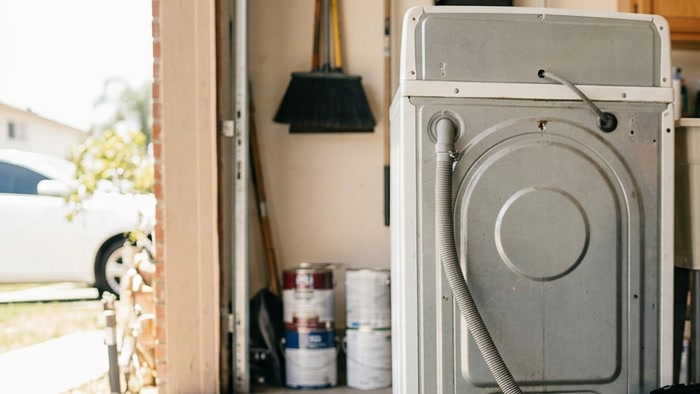
When a laundry drain overflows, the safest first move is to stop the washing machine, keep people away from the wet area, and reduce how much water can keep spreading. Do not keep running rinse or spin cycles to “see if it clears.” If the drain is already backing up, more water can mean more cleanup, more moisture under flooring, and a harder problem to trace.
In many Burbank and Los Angeles-area homes, laundry drain overflows come from a clog in the standpipe, a partially blocked branch line, lint and soap buildup, or a bigger main-line issue that happens to show up in the laundry room first. You do not need to diagnose the whole system on your own. Your job is to limit the spread, note what happened, and call for help if the drain will not clear quickly or water is moving toward walls, cabinets, or finished flooring.
Fast answer: what to do first when the laundry drain overflows
Start with these practical steps:
- Stop the washer immediately. Pause or cancel the cycle so it stops adding water to the drain.
- Unplug the machine only if it is safe and dry to do so. Do not stand in water to reach a plug or outlet.
- Move towels, rugs, boxes, and stored items away from the wet area. Laundry rooms often collect supplies that soak up water fast.
- Soak up visible water. Use towels or a wet/dry vacuum if you have one and can use it safely.
- Do not pour chemical drain cleaner into a backed-up laundry drain. It can sit in the pipe, splash back, or make the plumber’s job more hazardous.
- Take a quick photo or video. Show where water came from, how fast it backed up, and whether nearby fixtures also drained slowly.
If water is spreading quickly, reaching electrical areas, or coming from more than one drain, treat it as urgent. Zenon’s phone is answered 24/7, on-site service Mon-Sat 9 AM–6 PM.
Why laundry drains overflow in the first place
A laundry drain has to handle a large amount of water very quickly. When a washer pumps out, the drain line needs to accept that water without hesitation. If the pipe is narrowed by lint, detergent residue, hair, sediment, or older buildup, the water can climb back up the standpipe and spill onto the floor.
Sometimes the issue is close to the washer. Other times, the laundry drain is only the first place you notice a deeper blockage. If the line downstream is restricted, water from the washer may have nowhere to go. That is why an overflowing laundry drain can be a simple clog, but it can also be an early warning sign of a wider drainage problem.
How to tell if it is a local laundry drain clog
A local clog usually affects the washer drain more than the rest of the house. Common signs include water rising from the washer standpipe during the drain cycle, gurgling right behind the machine, or a slow laundry sink nearby while bathroom and kitchen fixtures seem normal.
That said, do not rely on one sign alone. A laundry drain can look isolated at first, especially if the washer is the only fixture using a lot of water at that moment. After the immediate cleanup, check nearby sinks, tubs, and toilets. If they are draining normally, the problem may be limited to the laundry branch line. If they are also slow or making noise, it may be bigger.
Warning signs the problem may be in the main line
A main-line issue is more likely when multiple fixtures act up at the same time. Watch for bathtub or shower drains gurgling when the washer drains, toilets bubbling, sewer-like odors, or water backing up from a floor drain. If wastewater appears in a tub, shower, or floor drain, stop using water in the home until a plumber can inspect the system.
Older homes around Burbank, Glendale, and Los Angeles can have a mix of pipe materials, remodel history, tree-root pressure, and drainage changes made over time. A laundry overflow may be the symptom you see today, while the cause may sit farther down the line. A plumber can determine whether the line needs clearing, inspection, repair, or a different next step.
What not to do while the floor is wet
It is natural to want to fix the problem immediately, but a few common reactions can make things worse. Do not keep restarting the washer. Do not force more water down the drain. Do not mix cleaners, especially if someone already poured a product into the line. Do not remove wall panels, flooring, or cabinets unless there is a clear reason and the area is safe.
If the water reached drywall, baseboards, underlayment, or cabinets, focus on stopping the source and documenting the affected area. Moisture can travel under flooring and behind trim even when the visible puddle looks small. That does not mean every overflow becomes a major restoration job, but it does mean the area should be watched carefully and dried properly.
When a plunger or simple DIY step is not enough
Some homeowners try a plunger, and in a few cases a small blockage may loosen. But laundry standpipes and washer drains can be awkward to plunge effectively, and repeated overflow means the blockage is not fully resolved. If the washer backs up again after one attempt, it is time to stop testing it with more water.
Professional drain cleaning is useful when the line needs to be cleared without guesswork. The right approach depends on the pipe, the location of the clog, and whether the issue looks like soft buildup, lint, grease, roots, or a deeper restriction. For laundry drain backups, Zenon can help homeowners decide whether standard drain cleaning is the right next step or whether the symptoms point to a larger drainage issue.
Local factors that can make laundry drain problems worse
Many LA-area homes were not built around today’s laundry habits, appliance output, or remodel layouts. A laundry room may have been moved, added, or tied into an older branch line. Some homes have compact laundry closets where a small overflow spreads quickly into hallways or adjacent rooms. Others have garages or utility rooms where stored items hide water until it has already traveled.
Local housing variety matters. A Burbank bungalow, a Glendale hillside home, and a Los Angeles apartment building can all show the same symptom for different reasons. That is why the best advice is practical but cautious: limit water, avoid chemical shortcuts, check nearby fixtures, and get the drain inspected if the backup repeats or affects more than one fixture.
What to tell the plumber when you call
You can help speed up the visit by sharing a few details:
- Did water come from the standpipe, floor drain, laundry sink, or another fixture?
- Did it happen during the washer drain cycle?
- Have you noticed gurgling, odors, or slow drains elsewhere?
- Was any chemical drain cleaner used?
- How far did water spread, and what materials got wet?
- Has this happened before, even on a smaller scale?
These details do not replace an inspection, but they help narrow the first place to look and reduce unnecessary trial and error.
When to call Zenon
Call if the washer drain overflows more than once, water backs up from another fixture, the laundry room has standing water, or you are not sure whether the line is safe to keep using. You should also call if the drain problem is happening in a rental, multi-unit property, or older home where a backup could affect neighboring rooms or units.
For help with an overflowing laundry drain in Burbank or nearby LA communities, call Zenon Plumbing & Restoration at (818) 640-2944 or request help online. Phone answered 24/7, on-site service Mon-Sat 9 AM–6 PM.
Zenon Plumbing & Restoration
Need help with this plumbing problem in Burbank? Call (818) 640-2944. Phone answered 24/7; on-site service Mon-Sat 9 AM–6 PM.


