 Mon-Sat 9AM-6PM
 Make an
Appointment (818) 640-2944
Make an
Appointment (818) 640-2944 2115 W Magnolia Blvd Unit C, Burbank, CA 91506
Water Heater Relief Valve Dripping: What It Can Mean for Homeowners
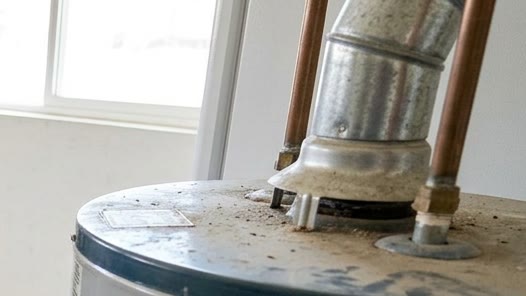
A dripping water heater relief valve is not something to ignore, but it also does not automatically mean the whole water heater has failed. The short answer: a relief valve may drip because pressure is rising, the water temperature is too high, thermal expansion has nowhere to go, or the valve itself is worn or not seating correctly. Homeowners can do a few safe checks, but the valve is a safety device, so do not cap it, plug it, tape it, or force it closed.
If you see steady dripping, water in the drain line, or moisture around the water heater pan, keep the area clear, avoid touching electrical components, and have the system checked before the problem turns into a larger leak. For water heater problems in Burbank or nearby Los Angeles neighborhoods, Zenon’s water heater repair service can inspect the heater, the relief valve, and the surrounding plumbing to find the cause.
What the relief valve does
The temperature and pressure relief valve, often called a T&P valve or relief valve, is built into the water heater as a safety control. Its job is to release water if the tank temperature or pressure gets too high. When it opens, water usually runs through a discharge pipe toward the floor or an approved drain area.
Because this valve is tied to pressure and temperature, a drip should be treated as a warning sign. Sometimes the cause is simple. Other times it points to a pressure-control issue, a failing expansion tank, a thermostat problem, or a water heater that needs trained professional attention. The important thing is not to guess from the drip alone.
Common reasons a water heater relief valve drips
There are several possible explanations. A qualified plumber has to inspect the system in person to confirm the actual cause, but these are the common patterns homeowners notice.
- High water pressure: If pressure coming into the home is too high, the valve may release small amounts of water to protect the tank.
- Thermal expansion: Water expands as it heats. If the plumbing system is closed and there is no working expansion tank, pressure can build after the heater runs.
- Temperature set too high: Overheating can cause the relief valve to open. This is not something to troubleshoot aggressively without proper training.
- Sediment and age: Older tanks can collect sediment, and older valves may not seat cleanly after they open.
- A worn or faulty valve: Sometimes the valve itself is the problem, especially if it continues to drip after normal pressure and temperature are confirmed.
Those causes can look similar from the outside. A small drip does not prove the tank is unsafe, and it does not prove the valve is bad. It means the system needs a closer look.
When dripping is more urgent
A slow occasional drip and a steady discharge are different situations. Call for help sooner if water is continuously running from the discharge pipe, the water heater pan is filling, the area around the heater is wet, or the drip started after other plumbing work in the home.
You should also take it seriously if the water heater is in a closet, garage corner, apartment utility space, or any area where leaking water can reach drywall, flooring, stored items, or electrical equipment. In many Burbank and LA-area homes, the water heater is tucked into a tight space, so a small leak can spread before anyone notices it.
If you smell gas near a gas water heater, hear unusual sounds, see active flooding, or feel unsafe, step away and contact the appropriate emergency utility or professional help. Do not try to disassemble a water heater, relief valve, gas line, electrical connection, or pressure control device yourself.
Safe homeowner checks before calling
There are a few practical checks you can do without taking anything apart. First, look at where the water is coming from. Is it dripping from the end of the relief valve discharge pipe, from a fitting above the tank, from the bottom of the tank, or from another nearby pipe? A phone photo or short video can help explain what you are seeing.
Second, check whether the water heater pan has water in it. If there is standing water, note how quickly it returns after you dry the area. Do not reach into wiring or controls. If the pan is connected to a drain, make sure the water is actually moving away and not backing up.
Third, think about timing. Does the drip happen after hot water use, after the heater runs, after a pressure change, or all day long? A drip that appears shortly after heating cycles can point in a different direction than a drip that never stops.
Finally, keep the discharge pipe open and visible. Never plug or cap the pipe to stop the nuisance drip. That pipe is there so the valve can release water if pressure or temperature rises. Stopping the discharge can create a dangerous condition.
Why pressure problems are common in local homes
Burbank, Glendale, and nearby Los Angeles neighborhoods have a mix of older homes, additions, apartments, condos, and renovated properties. Plumbing systems are not always set up the same way from house to house. A pressure regulator, expansion tank, shutoff valve, or past repair can change how the water heater behaves.
That is why relief valve dripping is best handled as a system issue, not just a valve issue. Replacing the valve without checking pressure and temperature may miss the real problem. On the other hand, assuming the whole water heater needs replacement may be too big a leap. The right repair depends on what the inspection shows.
Questions a plumber may need to answer
During a service visit, the goal is to narrow the cause without guessing. A plumber may check water pressure, inspect the relief valve and discharge pipe, look for signs of corrosion or leakage around the tank, review the water heater’s condition, and see whether an expansion tank or pressure regulator is present and working as intended.
If the valve is defective, replacement may be straightforward. If pressure is the issue, the fix may involve pressure regulation or expansion control. If the tank is leaking from another area, the conversation changes. The key is getting a clear diagnosis before making repair decisions.
What not to do with a dripping relief valve
- Do not cap, plug, tape, or clamp the discharge pipe.
- Do not ignore repeated dripping because it “only leaks a little.”
- Do not remove the valve unless you are qualified to work on water heaters.
- Do not assume the lowest-cost part swap solves the pressure issue.
- Do not store boxes, chemicals, or valuables around a leaking water heater.
A water heater is one of those systems where small symptoms can be useful early warnings. Paying attention now can help reduce the chance of water damage around the heater later.
When to request service
Request service if the relief valve drips more than once, the discharge pipe is wet every day, the water heater pan has standing water, you see corrosion, or you are not sure where the water is coming from. It is especially worth acting quickly if the heater sits near finished walls, flooring, cabinets, or shared condo spaces.
Need help with a dripping relief valve or another water heater issue? Call (818) 640-2944 or use the contact page to request help. Phone answered 24/7, on-site Mon-Sat 9 AM–6 PM.
Zenon Plumbing & Restoration
For a practical water heater inspection in Burbank or nearby LA neighborhoods, call (818) 640-2944. Phone answered 24/7, on-site Mon-Sat 9 AM–6 PM.


