 Mon-Sat 9AM-6PM
 Make an
Appointment (818) 640-2944
Make an
Appointment (818) 640-2944 2115 W Magnolia Blvd Unit C, Burbank, CA 91506
Laundry Drain Backing Up During the Spin Cycle: What Homeowners Should Check
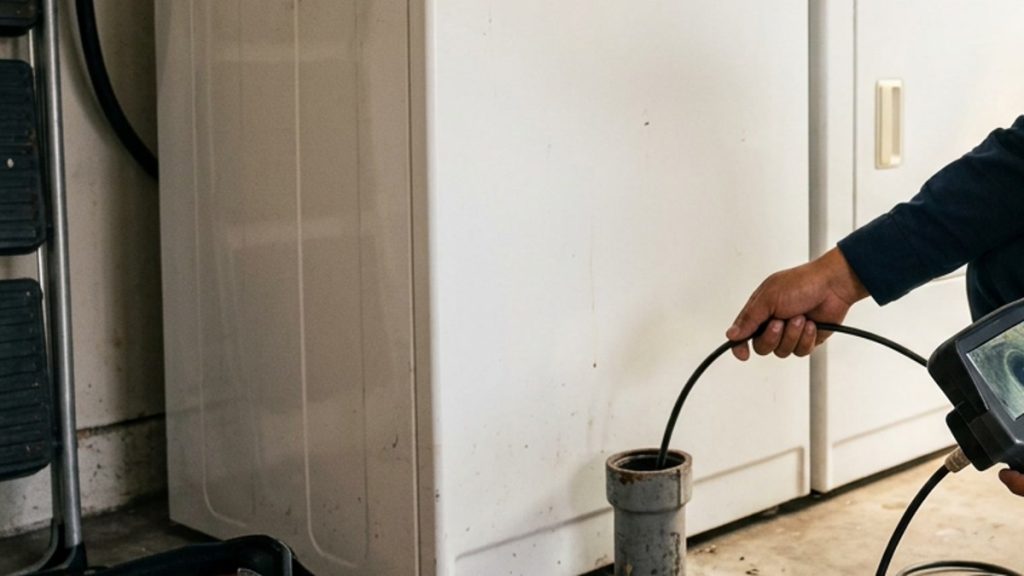
If the laundry drain backs up during the spin cycle, the washing machine is probably sending water into the standpipe faster than the drain line can carry it away. The safe first move is simple: stop the washer, avoid running more water into that drain, and clean up standing water before it spreads into nearby flooring or wall cavities.
Sometimes the issue is a small lint clog near the laundry box. Other times, it points to a deeper drain restriction, a venting issue, or a main-line problem that only shows up when the washer releases a large amount of water at once. This guide explains what Burbank and LA-area homeowners can check, what not to force, and when it is time to call for professional help.
Why the spin cycle makes a laundry drain overflow
A washing machine drains in bursts. During the spin cycle, the pump pushes a high volume of water out through the discharge hose and into the laundry standpipe. A drain that seems fine with a sink or small trickle may still fail when it has to handle that sudden rush.
The most common reasons include:
- Laundry lint and soap residue building up inside the standpipe or trap.
- Grease, hair, and debris farther down the shared drain line.
- A partially blocked branch drain that affects the laundry area first.
- Poor venting that slows drainage and can cause gurgling.
- A main sewer line restriction if other fixtures back up at the same time.
The key is not to assume the washer itself is broken. If the machine pumps water normally but the wall drain overflows, the drainage path needs attention.
First steps to take before more water spills
Start with damage control. Turn off or pause the washing machine. If water is still rising out of the standpipe, do not restart the cycle to “test it one more time.” That can push more water into the room and make cleanup harder.
Move laundry baskets, boxes, rugs, and stored items away from the wet area. If water reached baseboards, cabinets, or nearby flooring, dry what you can safely reach and watch for moisture that may have traveled under the surface. Do not open walls, pull flooring, or disturb materials if you are not sure what is behind them.
If the laundry area is near electrical outlets, cords, or appliances sitting in water, keep a safe distance and shut power off from the breaker only if you can do it safely. When there is any doubt, wait for a qualified professional instead of stepping into standing water around electrical equipment.
Check whether it is only the laundry drain
Once the immediate spill is under control, look for clues. Are nearby sinks draining normally? Does the toilet bubble when the washer drains? Is water coming up in a tub, shower, or floor drain? These details help separate a laundry-branch clog from a wider drain or sewer issue.
If only the washing machine standpipe overflows, the restriction may be close to the laundry area. If multiple fixtures react at once, that is more concerning. A backup that shows up in a tub or shower can mean wastewater is meeting resistance deeper in the system and finding the lowest opening.
Pay attention to sounds, too. Gurgling after the washer drains can point to a venting or drain-flow problem. Sewer odors near the laundry area are another reason not to ignore the issue, especially if they happen with slow drains elsewhere in the home.
What homeowners should avoid
It is understandable to want a quick fix, but laundry drain backups can get worse when the wrong tool or chemical is used.
- Do not keep running the washer to see if the drain clears itself.
- Do not pour multiple chemical drain cleaners into the standpipe, especially if water is already backed up.
- Do not force a long cable into the drain if you do not know the pipe layout.
- Do not remove plumbing parts if the line may be holding wastewater under pressure.
A small amount of lint near the opening may be removable, but repeated overflow usually means the problem is beyond what a quick surface cleanup can solve. Chemical cleaners may also sit in the line and create a hazard for anyone who later opens or clears the drain.
When a laundry backup points to a bigger drain problem
A one-time overflow after an overloaded washer is different from a pattern. If the drain backs up every time the washer reaches the spin cycle, the line is not keeping up with normal use. If the issue returns after plunging or a basic attempt to clear it, there may be buildup farther down the branch line.
Homes in Burbank, Glendale, and older Los Angeles neighborhoods can have a mix of aging drain materials, remodeled laundry areas, and shared lines that were not always designed for modern washer discharge rates. That does not mean every backup is a major sewer problem, but it does mean the symptoms should be checked in context.
Repeated laundry drain overflow may call for professional drain cleaning, especially when the clog is past the standpipe, keeps returning, or is connected to other slow fixtures.
How a plumber narrows down the cause
A plumber will usually start by asking when the backup happens, which fixtures are affected, and whether the problem is new or recurring. From there, the next step may be clearing the laundry branch line, checking accessible cleanouts, or inspecting the drain path if the symptoms suggest a deeper restriction.
The goal is not just to make water disappear for one cycle. It is to understand why the drain is backing up under normal washer flow. If the line has heavy buildup, root intrusion, a belly, or a main-line restriction, a simple surface fix may not hold.
For some homes, the right answer is basic drain cleaning. For others, a camera inspection or a different drain-service approach may be needed before bigger decisions are made. A good diagnosis should be based on what is actually happening in the plumbing system, not a guess from the laundry room alone.
Local trust note for Burbank and nearby homes
Laundry areas in LA-area homes are not all built the same. Some are in garages, some are tucked into hallway closets, and some were added during remodels. That can affect pipe access, venting, cleanup risk, and how quickly water reaches finished flooring. A local plumbing team that works in Burbank, Glendale, and surrounding neighborhoods can usually spot these layout issues faster because they see them in similar homes every week.
When to request help
Call for help if the washer drain overflows more than once, if water backs up into another fixture, if you notice sewer odors, or if moisture reaches walls, cabinets, or flooring. Also call sooner if anyone in the home is unsure where the water is coming from or whether electrical equipment was affected.
For urgent plumbing issues, Zenon’s phone is answered 24/7, on-site Mon-Sat 9 AM–6 PM. If you are dealing with an active laundry drain backup or recurring washer overflow, you can contact Zenon Plumbing & Restoration to request help and avoid sending more water into the laundry area.
Zenon Plumbing & Restoration
Need help with a laundry drain backup in Burbank or nearby? Call (818) 640-2944. Phone answered 24/7, on-site Mon-Sat 9 AM–6 PM.


