 Mon-Sat 9AM-6PM
 Make an
Appointment (818) 640-2944
Make an
Appointment (818) 640-2944 2115 W Magnolia Blvd Unit C, Burbank, CA 91506
Before Hydro Jetting: Questions Homeowners Should Ask About Sewer Line Condition
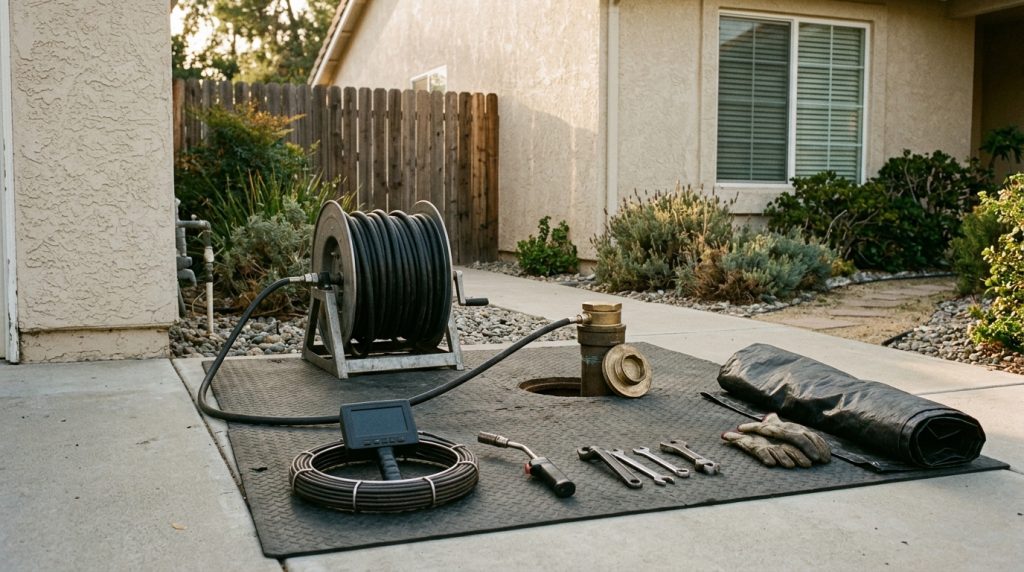
If your drain keeps backing up and a plumber has mentioned hydro jetting, it is worth asking one big question first: what condition is the sewer line actually in? Hydro jetting can be a strong option for grease, sludge, roots, and heavy buildup, but it should be matched to the pipe, the clog, and the risk level. A quick “blast it clean” approach is not always the safest or most useful answer.
The fast answer: before hydro jetting, homeowners should ask whether the line has been inspected, what kind of buildup is suspected, whether the pipe material and age can handle high-pressure cleaning, and what signs might point to a repair issue instead of a cleaning issue. If you are dealing with repeated backups, Zenon’s hydro jetting service can help evaluate whether jetting makes sense for the situation.
Why sewer line condition matters before hydro jetting
Hydro jetting uses high-pressure water to clear buildup from the inside of a drain or sewer line. When the line is a good candidate, it can remove material that a basic cable or snake may only punch through. That is why it is often discussed for recurring clogs, greasy kitchen lines, and sewer lines affected by buildup.
But the pipe itself still matters. Older Los Angeles-area homes can have a mix of materials, repairs, slopes, root intrusion, and previous patch work. A line that is simply dirty is different from a line that is cracked, offset, bellied, collapsed, or heavily invaded by roots. Hydro jetting may help clear the opening, but it will not turn a damaged sewer line into a healthy one.
That is why the best first question is not “Can you jet it?” It is “What do we know about the line?”
Ask whether a camera inspection is recommended
A sewer camera inspection is not needed for every small clog, but it can be valuable when the problem keeps coming back or when the clog involves the main sewer line. The camera can help show whether the issue looks like grease, sludge, roots, scale, a sag in the line, or a broken section.
For homeowners, the benefit is simple: you get a clearer reason for the recommendation. If the line is mostly buildup, hydro jetting may be a practical cleaning step. If the line is cracked or badly offset, the conversation may need to shift toward repair options, timing, and risk.
Good questions to ask include:
- Do you recommend looking inside the line before jetting?
- What did the camera show, if one was used?
- Does this look like buildup, roots, a pipe defect, or something else?
- Is hydro jetting being recommended to clean the line, diagnose the line, or both?
Ask what kind of blockage is suspected
Not all clogs behave the same way. A slow bathroom sink, a kitchen drain full of grease, and a main sewer backup are different problems. Hydro jetting is more commonly considered when buildup is spread through the pipe or when clogs return after basic clearing.
Grease and sludge can coat the inside of a line and narrow it over time. Tree roots can catch paper and debris, making backups more likely. Mineral scale or rough pipe surfaces can also make drains less forgiving. A snake may reopen a pathway, while hydro jetting may clean more of the pipe wall when the line is appropriate for it.
Ask the plumber what evidence points to the suspected cause. A clear explanation is better than a vague recommendation. Homeowners should not have to guess whether the problem is a one-time clog or a symptom of a bigger sewer line condition.
Ask whether the pipe material, age, and prior repairs affect the plan
Many Burbank, Glendale, and Los Angeles homes have older plumbing layouts or lines that have been repaired in sections over the years. That does not automatically mean hydro jetting is unsafe. It does mean the plumber should think about pressure, access, pipe condition, and what the line can reasonably handle.
Useful questions include:
- Do you see signs that the line may be fragile or damaged?
- Is there a cleanout that gives safe access?
- Would you adjust the jetting approach based on the pipe condition?
- Are there any warning signs that make jetting a bad fit right now?
This is especially important if the home has had frequent backups, wet soil near the sewer path, sewer smells, or gurgling fixtures after drains are used. Those symptoms do not prove a specific diagnosis by themselves, but they are worth bringing up before work begins.
Ask what hydro jetting is expected to accomplish
Hydro jetting should have a clear goal. In some cases, the goal is to remove grease and restore better flow. In others, it may be to clear roots enough to evaluate the line or reduce immediate backup risk. Sometimes the plumber may explain that jetting can help temporarily, but a repair may still be needed if the pipe is damaged.
Before approving the work, ask what success looks like. Will the drain run normally again? Is the plumber trying to clear a blockage, clean the pipe walls, prepare for a better camera view, or reduce recurring buildup? The answer helps you understand whether hydro jetting is the main fix or one step in a larger plan.
It is also fair to ask what would happen if jetting does not solve the issue. A good answer should be practical, not pushy: recheck the line, review what was found, and decide whether repair, replacement, or another drain cleaning approach is appropriate.
Ask about access points and protection inside the home
Hydro jetting is typically done through an appropriate access point, such as a cleanout. Before work starts, ask where the technician plans to access the line and whether any fixtures, floors, or nearby areas need protection. This is especially helpful in older homes, apartment-style properties, or homes where the cleanout is hard to reach.
If a drain has already backed up into a tub, shower, laundry area, or kitchen, ask what steps are needed to reduce mess and prevent the problem from spreading while the line is being cleared. Do not keep running water into a drain that is actively backing up. If there is an active overflow, stop using nearby fixtures and shut off water where it is safe to do so.
Local trust: why this question matters in LA-area homes
In Burbank and nearby Los Angeles neighborhoods, sewer line problems are often tied to age, tree roots, past repairs, and heavy use. A newer home and a 1940s or 1950s property may not need the same approach. The right drain cleaning plan should account for the home, not just the symptom.
That local context matters because a repeated clog is not always “just a clog.” It may be buildup from daily use, a line that needs deeper cleaning, or a pipe condition that should be documented before anyone makes a stronger recommendation. A careful inspection-first mindset can save homeowners from paying for the wrong solution or misunderstanding what the work can and cannot fix.
When to call instead of waiting
Call for help sooner if multiple fixtures are backing up, sewage is coming into a tub or shower, water is spreading indoors, or the same drain has been cleared more than once and keeps returning. Avoid chemical drain cleaners in a line that may be fully blocked or backing up; they can create handling hazards and may not address the real cause.
If the situation is active or messy, Zenon can help you talk through the next step. Phone answered 24/7, on-site Mon-Sat 9 AM–6 PM. For non-urgent questions or scheduling, you can also use the contact page to request help.
Bottom line before hydro jetting
Hydro jetting can be a useful drain and sewer cleaning option, but it works best when it is recommended for the right reason. Before moving forward, ask what the plumber knows about the line condition, whether a camera inspection is appropriate, what kind of blockage is suspected, and whether the pipe material or prior repairs change the plan.
The goal is not to make homeowners become plumbing experts. It is to make sure the work matches the problem in front of you. A few clear questions can turn a stressful sewer backup into a smarter, safer next step.
Zenon Plumbing & Restoration
Need help with this plumbing problem in Burbank? Call (818) 640-2944. Phone answered 24/7; on-site service Mon-Sat 9 AM–6 PM.


