 Mon-Sat 9AM-6PM
 Make an
Appointment (818) 640-2944
Make an
Appointment (818) 640-2944 2115 W Magnolia Blvd Unit C, Burbank, CA 91506
Outdoor Hose Bib Leak Near Stucco: Why It Should Not Be Ignored
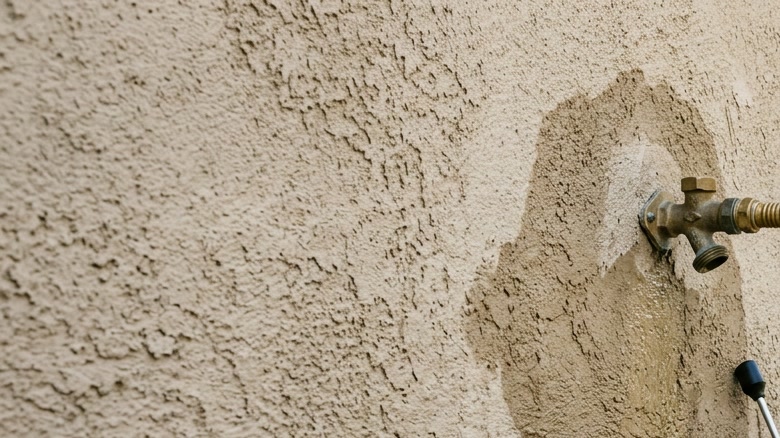
Fast answer: an outdoor hose bib leak near stucco should not be ignored, even if it looks like a small drip. Water can travel behind exterior finishes, soak the wall assembly, affect framing or insulation, and make it harder to tell where the leak actually started. If the leak is active, shut off the valve that feeds that fixture if you can do so safely, keep water away from electrical outlets or equipment, and have the area inspected before assuming the stucco will dry on its own.
Outdoor faucets take a lot of wear in Burbank and greater Los Angeles homes. Hoses get tugged, washers age, threaded connections loosen, irrigation work changes pressure patterns, and older exterior walls may hide piping that has already been patched before. A hose bib leak can be a simple fixture problem, but when the water is right next to stucco, the safe move is to treat it as a moisture clue until a plumber can check the source.
Why a hose bib leak near stucco is different from a normal drip
A slow drip at an outdoor faucet may seem minor because it happens outside. The problem is location. Stucco is not the same as an open concrete patio where water immediately runs away and evaporates. If water is leaking where the faucet passes through the wall, moisture may be entering behind the finish instead of staying on the surface.
That can create several practical problems for a homeowner:
- the visible drip may be smaller than the hidden leak behind the wall;
- water can follow pipes, framing, or cracks before it shows up somewhere else;
- stucco can look dry on the outside while damp materials remain behind it;
- repeated wetting can make stains, peeling paint, soft trim, or musty odors worse over time;
- guessing at the source can lead to patching the wall before the plumbing problem is fixed.
That does not mean every hose bib drip is a major repair. It does mean the leak deserves a careful look, especially when it is close to the wall penetration, an exterior outlet, interior drywall, or a room on the other side of the wall.
Common reasons an outdoor hose bib starts leaking
A hose bib can leak for several different reasons. Some are visible at the fixture, while others may be hidden behind the stucco.
A worn washer or packing nut
If water drips from the handle area or the spout only when the faucet is turned on, the issue may be a worn washer, packing nut, or valve component. These parts age, especially on fixtures that are used often for hoses, landscaping, or cleanup.
A loose hose connection
Sometimes the leak is not the faucet itself. A damaged hose washer, cross-threaded hose, cracked connector, or overtightened fitting can send water back toward the wall. If you remove the hose and the faucet no longer leaks when briefly tested, that is useful information to share with the plumber.
Movement at the wall
Outdoor faucets get pulled and bumped. A heavy hose, pressure washer, or repeated tugging can stress the pipe connection behind the wall. If the hose bib wiggles, feels loose, or shifts when you turn the handle, stop using it until it is checked. Movement at the wall is a bigger concern than a simple drip at the spout.
Pressure or shutoff issues
Water pressure, aging valves, and older pipe materials can all contribute to leaks. In some Los Angeles-area homes, exterior plumbing has been modified over time for irrigation, additions, or repairs. That can make the leak path less obvious from the outside.
Warning signs moisture may be getting behind the wall
Watch for changes around the faucet and inside the room behind it. A few clues are worth taking seriously:
- dark staining, bubbling paint, or soft trim near the exterior faucet;
- stucco cracks or damp-looking patches around the wall penetration;
- water appearing at the base of the wall after the hose bib is used;
- musty odor near the inside wall, cabinet, closet, or baseboard;
- interior paint bubbling, drywall softness, or baseboard swelling;
- the faucet moving when you attach or remove a hose;
- a leak that continues even when the hose is disconnected.
Do not cut into stucco, drywall, or framing just to “see what is going on.” Opening a wall without confirming the plumbing source first can make the repair more expensive and may miss the actual leak path.
What homeowners can safely do first
If the leak is active, start with simple steps that reduce water exposure without turning the situation into a DIY repair project.
- Remove the hose. A bad hose washer or connector can make the leak look worse than it is.
- Turn the faucet off gently. Do not force a stuck handle. Forcing it can damage the valve or pipe.
- Use a local shutoff if one exists. Some exterior faucets have a nearby isolation valve. If not, know where the main shutoff is.
- Keep the area clear. Move stored items, boxes, or furniture away from the inside wall if moisture is suspected.
- Take photos. Document the fixture, stucco area, inside wall, and any visible staining before things dry or change.
- Avoid repeated testing. Turning the faucet on and off over and over can push more water into the wall if the leak is behind the fixture.
If water is near electrical outlets, panels, appliances, or soaked interior materials, stop and call for help. Do not assume an exterior leak is safe just because it starts outside.
When leak detection is the better next step
A plumber can often tell whether the leak is at the hose connection, valve body, wall penetration, or supply line. If the source is not obvious, leak detection in Burbank can help narrow the problem before anyone opens stucco or drywall unnecessarily.
That matters because moisture clues do not always point straight back to the source. Water can travel along the pipe, behind trim, across a slab edge, or down inside the wall. A careful inspection can help separate a fixture repair from a hidden supply-line issue or water-damage concern.
It is also important not to self-diagnose a slab leak, wall leak, or mold problem based on one symptom. The right answer depends on what is leaking, how long it has been wet, what materials are affected, and whether the water is still active.
Local factors Burbank and LA homeowners should keep in mind
Many homes around Burbank, Glendale, and Los Angeles have older plumbing runs, exterior repairs from prior owners, irrigation tie-ins, and stucco or painted exterior finishes that can hide small leaks at first. Warm weather can dry the surface quickly, which makes a drip look less serious than it is. At the same time, shaded walls, walls near landscaping, and areas behind cabinets or closets may stay damp longer.
That is why a local plumbing inspection is useful. The goal is not to turn every outdoor faucet drip into a major project. The goal is to confirm whether the leak is contained at the fixture or whether it may be affecting the wall behind it.
When to call Zenon
Call if the hose bib is loose, the leak continues after the hose is removed, water appears around the stucco or inside wall, or you are not sure where the shutoff is. A small exterior leak is usually easier to handle before it spreads into drywall, baseboards, flooring, or framing.
For help with an active leak or moisture concern, call (818) 640-2944. Phone answered 24/7, on-site Mon-Sat 9 AM–6 PM. You can also contact Zenon Plumbing & Restoration online to request service or ask about the next step.
Zenon Plumbing & Restoration
Need help with this plumbing problem in Burbank? Call (818) 640-2944. Phone answered 24/7; on-site service Mon-Sat 9 AM–6 PM.


