 Mon-Sat 9AM-6PM
 Make an
Appointment (818) 640-2944
 2115 W Magnolia Blvd Unit C, Burbank, CA 91506

Slow Drains Throughout the House: When It Points Beyond One Fixture
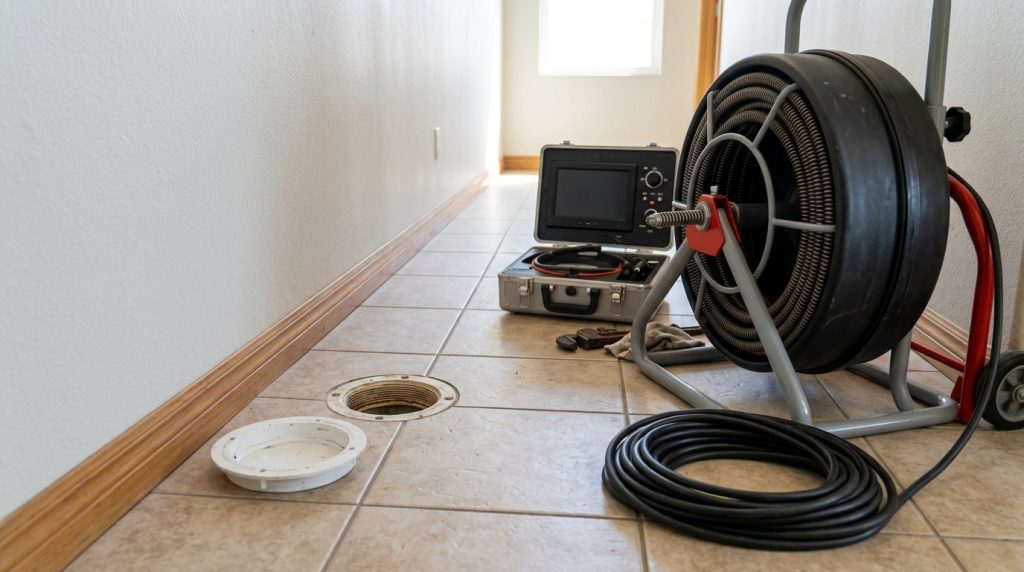
If every drain in the house is slowing down, the problem is usually bigger than one sink or shower. A single slow fixture can often point to a local clog near that drain. Slow drains throughout the house can point to buildup deeper in the drain line, a main line restriction, venting trouble, or another issue that needs a plumber to inspect the system in person.
The safest first step is simple: stop adding more water if drains are backing up, avoid chemical drain cleaners, and check whether the problem is limited to one room or showing up across the home. If more than one fixture is affected, Zenon can help with Glendale drain cleaning and a practical inspection before the problem turns into a larger backup.
The fast answer: one slow drain is different from many slow drains
Homeowners often notice the same symptom first: water does not leave the sink, tub, shower, laundry area, or floor drain as quickly as it used to. The important question is whether the slowdown is isolated or connected.
- One slow drain may be caused by hair, soap buildup, food grease, a small object, or buildup inside that fixture branch.
- Several slow drains may point to a shared drain line or main sewer line restriction.
- Slow drains plus gurgling can mean air is moving through the system in an unusual way as water tries to pass a partial blockage.
- Slow drains plus backups should be treated more seriously, especially if water is coming up somewhere else when another fixture is used.
Those clues do not diagnose the problem by themselves. They help you decide whether this is a quick cleaning issue, a professional drain inspection issue, or something that needs faster attention.
Why slow drains can show up across the whole house
When multiple fixtures slow down at the same time, the cause is often somewhere they share. In many Glendale and Los Angeles-area homes, drain lines may have years of grease, soap residue, mineral buildup, roots, old pipe scale, or low spots that collect debris. Older homes can also have mixed materials or past repairs that make the system less forgiving.
A bathroom sink and shower slowing down together may still be a branch-line issue. A kitchen sink, laundry drain, bathtub, and downstairs bathroom all acting strange is more suspicious. The farther the symptom spreads, the more likely it is that the restriction is beyond one fixture trap.
Common causes include:
- Grease and food buildup from kitchen use that gradually coats the inside of the line.
- Hair, soap, and product residue in bathroom branch lines.
- Tree root intrusion around older sewer lines or vulnerable joints.
- Pipe scale or corrosion that narrows older drain lines over time.
- A partial main line blockage that lets some water through, but not enough during normal household use.
- Improper slope or old repairs that leave waste and water moving too slowly.
Questions to ask before you call
You do not need to solve the problem yourself before calling a plumber. But a few observations can help the visit go faster and may help identify how urgent the situation is.
Which drain slowed down first?
If the kitchen sink has been slow for months and now the laundry drain is struggling, the kitchen line may have been the first clue. If everything changed suddenly, the issue may be farther down the system.
Does one fixture affect another?
Pay attention to what happens when you run water. If the washing machine drains and a nearby shower gurgles, or a toilet bubbles when a tub empties, that can point to a shared restriction or air movement issue.
Is water backing up anywhere?
Slow drainage is one thing. Wastewater coming back up into a tub, shower, floor drain, or toilet is more urgent. Stop using nearby plumbing fixtures if safe and avoid sending more water into the line until it can be checked.
Has this happened before?
A one-time clog can happen in any home. A drain that keeps slowing down after plunging, snaking, or store-bought cleaners may need a deeper look. Repeated symptoms are a sign that the underlying cause may not be at the drain opening.
What homeowners should avoid
It is tempting to pour a stronger chemical cleaner down the drain when more than one fixture is slow. That can create more risk than benefit, especially if the line is already restricted. Chemicals may sit in the pipe, splash back, damage finishes, or make the plumber’s work more hazardous.
Also avoid repeatedly flushing toilets, running the dishwasher, doing laundry, or testing every fixture if water is starting to back up. More water can make a contained drain problem messier. If you are unsure, pause water use in the affected area and get help.
DIY plunging may be reasonable for one simple fixture clog, but whole-house slow drainage is different. Sewer, main line, and multi-fixture problems should be inspected by a professional with the right equipment.
How a plumber narrows the problem
A plumber will usually start by asking where the symptoms appear, how long they have been happening, and whether backups or odors are involved. From there, the next step depends on the house and the symptoms.
For some homes, standard drain cleaning may be enough to clear a branch-line clog. For repeated or whole-house symptoms, a technician may recommend checking a cleanout, locating where the restriction is, or inspecting the line before deciding how aggressive the cleaning should be. If there are signs of roots, damaged pipe, or a main line issue, the goal is not just to make water move today. The goal is to understand why the drain keeps slowing down.
That matters because different tools solve different problems. A small cable, larger machine, hydro jetting, or repair recommendation should match the condition of the line. No one can honestly confirm the right approach without seeing the system in person.
Local notes for Glendale and nearby LA homes
Glendale has a mix of older homes, hillside properties, apartment buildings, remodels, and mature landscaping. Drain symptoms can be different from house to house. In one property, the issue may be kitchen grease and aging branch lines. In another, roots or older sewer materials may be part of the picture. In multifamily buildings, one unit’s symptom can sometimes be connected to a shared line.
That is why local context helps, but guessing does not. A careful plumber should listen to the symptoms, check the affected fixtures, and explain the likely next step in plain English before recommending major work.
When slow drains should be treated as urgent
Call sooner if you notice more than slow drainage. The following signs can mean the issue is moving beyond a minor clog:
- Water backing up into a tub, shower, toilet, or floor drain
- Several fixtures slowing down at once
- Gurgling sounds after laundry, showers, or toilet flushing
- Sewer odor indoors or near drains
- Standing water near a cleanout, yard drain, or low fixture
- A clog that returns shortly after being cleared
If there is active backing up, stop using water if you can do so safely. If the issue is tied to a leak or overflow, keep people away from affected electrical areas and call for help.
Bottom line
One slow drain may be a local clog. Slow drains throughout the house deserve more attention because they may point to a shared line or main drain restriction. The best move is to watch the pattern, avoid harsh chemical cleaners, stop adding water if there is backup, and have the system checked before the problem becomes more expensive or disruptive.
Zenon Plumbing & Restoration
If slow drains are showing up in more than one fixture, contact Zenon Plumbing & Restoration or call (818) 640-2944. Phone answered 24/7, on-site Mon-Sat 9 AM–6 PM.


