 Mon-Sat 9AM-6PM
 Make an
Appointment (818) 640-2944
 2115 W Magnolia Blvd Unit C, Burbank, CA 91506

Hot Water Runs Out Faster Than Usual: Plumbing Clues to Check Before Replacing the Heater
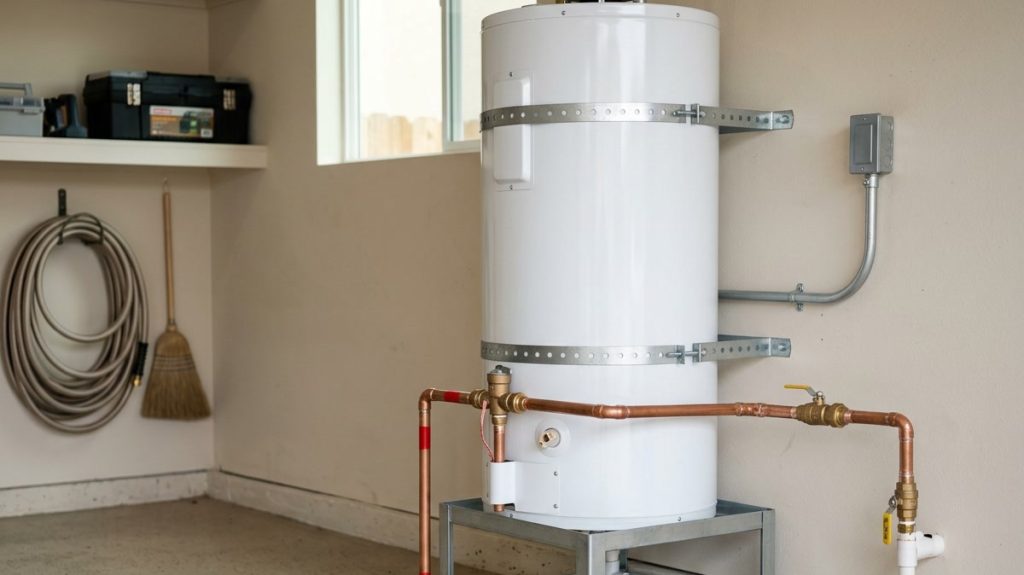
Fast answer: If your hot water runs out faster than it used to, the water heater does not automatically need to be replaced. A change in household demand, a temperature-setting issue, sediment inside a tank-style unit, a worn heating component, or a mixing problem can all reduce the amount of usable hot water. The best next step is to note exactly when the shortage happens and have the system inspected before making a replacement decision.
A water heater can still produce hot water while falling short during a shower, a load of laundry, or back-to-back use. That makes the problem easy to dismiss at first. But a clear change from the home’s normal pattern is useful information. It can help a plumbing professional narrow the cause without assuming the heater itself has reached the end of its service life.
Start With the Pattern, Not a Guess
Before changing settings or buying equipment, pay attention to how the problem behaves. The timing often says more than the fact that the water eventually turns cold.
- Hot water starts normally but fades quickly: The heater may be producing some hot water but not maintaining its former usable capacity.
- The water is only lukewarm from the beginning: A temperature-control, heating, or mixing issue may be involved.
- One fixture has the problem: The issue may be closer to that shower, faucet, or mixing valve rather than at the water heater.
- The whole home is affected: The water heater, household demand, or a shared plumbing condition deserves a closer look.
- The shortage happens only at busy times: Several appliances or fixtures may be using the available hot water faster than the system can recover.
Write down how long the hot water lasts, which fixtures are running, and whether the change appeared suddenly or gradually. Those details can keep an inspection focused and prevent a premature replacement recommendation.
Has Your Household’s Hot-Water Demand Changed?
Sometimes the plumbing equipment has not changed, but the way the home uses it has. A guest staying for a week, longer showers, a new high-flow showerhead, more laundry, or running a dishwasher at the same time as bathing can expose the limits of a tank that previously seemed adequate.
Try observing the system during a normal day. If the shortage appears only when hot-water uses overlap, spacing them out can help confirm that demand is part of the pattern. This does not prove the heater is correctly sized or operating properly, but it gives a plumber better context.
If the same shower now runs cold much sooner even when no other hot-water fixture or appliance is operating, the change is less likely to be explained by household scheduling alone.
Could a Tank-Style Water Heater Have Less Usable Capacity?
Tank-style water heaters store a limited volume of heated water. Over time, material carried by the water can settle inside the tank. When buildup becomes substantial, the heater may have less effective capacity or may transfer heat less efficiently. A homeowner may notice shorter showers, slower recovery between uses, or changes in how the unit sounds while operating.
That is only one possibility. A worn heating element in an electric unit, a burner or control issue in a gas unit, or an internal component problem can create similar symptoms. Because those systems involve electricity, gas, hot surfaces, and pressurized water, diagnosis and repair should be left to a qualified professional. Do not remove access panels, alter gas controls, or disassemble the unit to test a theory.
What If the Water Turns Cold and Then Gets Hot Again?
A cold stretch followed by more hot water is a different clue from a tank that simply runs out. It may point toward inconsistent mixing at a fixture, changing flow, or another control issue. If it happens at only one shower, compare that fixture with a sink in the same part of the home. If other fixtures maintain steady hot water, the water heater may not be the only place to investigate.
A plumber can compare temperatures and flow at multiple fixtures, review the heater’s operation, and check whether the pattern follows one valve or the entire hot-water system. The goal is to isolate the problem rather than replace the largest component first.
Should You Turn Up the Temperature?
Turning the temperature higher is not a good first response to unexplained hot-water loss. It may mask the symptom without addressing the cause, and changing controls without understanding the equipment can create a new problem. If someone recently changed the setting, mention that during the inspection. Otherwise, leave unfamiliar controls alone.
You can safely check simple, non-invasive details: whether the problem affects every fixture, whether demand overlaps, whether the unit is displaying an error code, and whether there is visible moisture around it. Do not reset a repeatedly tripping breaker, relight equipment if you are unsure of the procedure, or operate a unit that appears damaged.
When Does a Leak Change the Priority?
A shortage of hot water is usually a performance complaint. Visible water around the heater is a separate concern and should not be treated as normal condensation without an in-person inspection. If you see active leaking, avoid touching wet electrical equipment. If it is safe and you already know which valve serves the heater, you may stop the incoming water; otherwise, step away and call for guidance.
Note where the water first appears, but do not assume that location identifies the failed part. Water can travel down pipes or across the top and sides of the unit before reaching the floor. Photos taken from a safe distance can help document the condition while you arrange service.
Repair or Replace: What Should Be Checked First?
Replacement makes sense in some situations, but “the hot water runs out” is not enough information by itself. A useful evaluation should consider:
- the type and capacity of the current water heater;
- how the household actually uses hot water;
- whether the problem affects one fixture or the whole home;
- the unit’s visible condition and operating behavior;
- whether a repairable component is involved;
- whether the system recovers normally between uses; and
- whether there are leaks, error codes, unusual noises, or repeated shutdowns.
An in-person assessment can separate a fixture problem, maintenance issue, repair need, capacity mismatch, and replacement decision. For homeowners in Glendale, Zenon’s water heater repair information explains the local service path when the system needs professional attention.
What Information Helps Before the Appointment?
You do not need to diagnose the heater, but a few observations can make the visit more productive. Note the unit type if it is obvious, the approximate length of hot water available, the fixtures in use when it runs out, and how long recovery takes. Record any visible error code exactly as shown rather than trying to interpret it yourself.
Also mention recent changes such as a new shower fixture, more people in the home, plumbing work, a power interruption, or a setting adjustment. If the issue is intermittent, a short timeline is more useful than a guess about which part failed.
A Local Note for Glendale Homeowners
Glendale homes include a mix of building ages, layouts, and water-heating setups. Some units are easy to access in a garage, while others may sit in a closet or another tight location. That variety matters because symptoms, access, ventilation, and the surrounding plumbing all need to be viewed as one system. Local service should begin with what is actually installed in your home, not a one-size-fits-all diagnosis based on the age of the neighborhood.
Get the Cause Checked Before Choosing New Equipment
If hot water now runs out faster than usual, first confirm whether demand has changed and whether every fixture is affected. Then arrange an inspection if the pattern continues, the water never reaches its normal temperature, the unit shows an error, or you notice leaking. A careful check can tell you whether the next move is a fixture repair, water-heater service, a capacity discussion, or replacement.
Need help narrowing down the problem? Contact Zenon Plumbing & Restoration to request service. Phone answered 24/7, on-site Mon-Sat 9 AM–6 PM.
Zenon Plumbing & Restoration
Need help with this plumbing problem in Burbank? Call (818) 640-2944. Phone answered 24/7; on-site service Mon-Sat 9 AM–6 PM.


