 Mon-Sat 9AM-6PM
 Make an
Appointment (818) 640-2944
 2115 W Magnolia Blvd Unit C, Burbank, CA 91506

Water Meter Keeps Moving When Every Fixture Is Off: What to Check Next
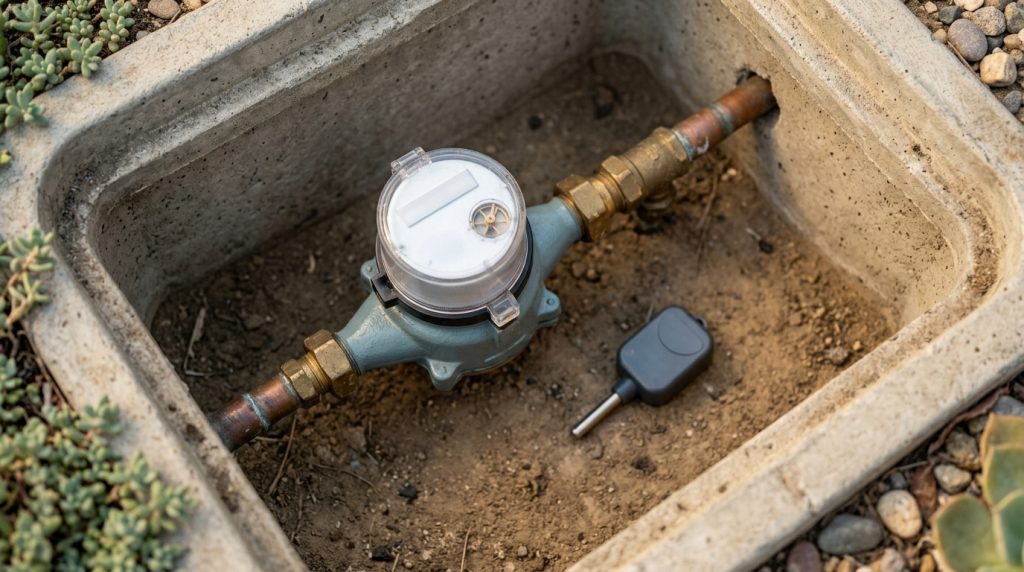
If your water meter keeps moving after you have turned off every faucet and stopped all obvious water use, do not assume you already know where the problem is. The movement may point to an unnoticed fixture, an irrigation cycle, a toilet that is quietly refilling, or a leak somewhere on the property. The safest next step is to confirm that nothing is intentionally using water, document what the meter is doing, and arrange an in-person inspection if the movement continues.
A water meter can provide a useful clue, but it cannot identify the source by itself. A plumber may need to inspect the fixtures, supply lines, irrigation connections, and other parts of the system before determining what is happening.
What does a moving water meter usually mean?
A residential water meter measures water passing from the utility supply into the property. When no fixture or water-using appliance is running, the meter should generally stop recording new use. Continued movement suggests that water may still be flowing somewhere, although the cause is not always a damaged pipe.
Common possibilities include:
- A toilet that refills occasionally without making much noise
- An automatic irrigation or sprinkler cycle
- An ice maker, water softener, filtration system, or appliance drawing water
- A hose bib or outdoor faucet that is not fully closed
- A dripping fixture that was overlooked
- A leak in a visible supply connection
- A concealed leak in a wall, crawlspace, ceiling, or below the floor
The meter confirms usage, not location. It also does not tell you whether the issue is minor or urgent. That is why a careful check is more useful than jumping straight to a diagnosis.
First, make sure every planned water use is actually off
Walk through the property and check more than sinks and showers. Confirm that the dishwasher and washing machine are not running. Pause automatic irrigation if you know how to do so without forcing a valve or changing an unfamiliar controller. Check refrigerator water and ice-making functions, water treatment equipment, and any outdoor faucets.
In a multi-unit building, accessory dwelling unit, or home with a converted space, first confirm which areas the meter serves. A fixture in another unit or an exterior line may still be drawing water even when the main living area appears quiet.
Do not disconnect appliances, open plumbing components, or force a shutoff valve simply to run the test. If a valve is corroded, difficult to reach, or will not turn normally, leave it alone and call for help. A stuck valve can become a larger problem if it is forced.
Check the toilets, even if you cannot hear them running
A toilet can lose water from the tank into the bowl and refill in short cycles. The sound may be brief enough to miss, especially in a guest bathroom or a room away from the meter. Check each toilet for unexpected tank activity and listen for a refill after the house has been quiet.
You can also look at the water surface in the bowl for ongoing movement. Avoid taking the tank apart if you are not comfortable with its components. The goal is to identify an obvious source, not to make an uncertain repair that could leave the fixture running faster.
If the meter stops after a toilet supply is safely isolated with a valve that operates normally, that is a helpful observation to share with the plumber. It is still not a complete diagnosis because the condition of the valve, fill mechanism, and connections should be checked in person.
How should you observe the meter?
Meter designs differ. Some have a sweep hand, some have a small flow indicator, and newer models may use a digital display. Do not remove utility equipment or reach into a flooded or unsafe meter box. If the meter is accessible and dry, take a clear photo of the reading, wait about 15 to 30 minutes without using water, and take a second photo.
Use the same camera angle so you can compare the readings. Note the time and whether the movement was steady, intermittent, or only a small change. That information can help an in-person technician understand the pattern.
A slowly changing reading still deserves attention if you have confirmed that no water should be in use. At the same time, one brief observation may not reveal an intermittent fixture or scheduled system. If you are unsure how to read the display, save the photos rather than guessing.
Look for clues without opening walls or floors
After confirming that the meter continues to move, check accessible areas for signs that can guide the inspection. Useful observations include:
- Dampness inside sink cabinets or around appliance connections
- Discoloration, bubbling paint, or soft areas on drywall
- Flooring that feels unusually warm, damp, lifted, or discolored
- A musty odor that is new or limited to one area
- Water collecting near the foundation or in a crawlspace
- An unusually wet patch outdoors when irrigation is off
- A recent increase in water use that does not match household habits
These signs can help narrow where to inspect, but none proves a particular kind of leak. For example, moisture near a wall may come from a supply line, a drain connection, an appliance, or water entering from another area. Zenon can evaluate the pattern through its Burbank leak detection service rather than relying on a meter reading alone.
Can the main shutoff help narrow the problem?
In some homes, comparing the meter before and after closing the property’s main shutoff can help a professional distinguish between water use inside the property and a possible issue along the supply route. However, this is not a good DIY step for every home.
Older Burbank and greater Los Angeles properties may have aging gate valves, several valves serving different structures, or a shutoff that is difficult to identify. Some valves have not been operated in years. Turning the wrong valve or forcing a seized one can interrupt another unit’s water or cause the valve itself to leak.
If the main shutoff is clearly labeled, accessible, dry, and moves normally, record what happens to the meter when it is closed. If any part of that description is not true, stop and leave the isolation test to a plumber. Never handle utility-side equipment that is not intended for homeowner operation.
When is continued meter movement more urgent?
Prompt help is especially important when meter movement appears with active water, rapidly spreading dampness, a bulging ceiling, water near electrical equipment, a loss of normal water pressure, or signs of damage below flooring. Keep people away from an unsafe area. If you can use a clearly identified property shutoff safely, shutting off the water may limit additional damage while you call for help.
Do not enter standing water near electrical outlets, appliances, or the electrical panel. Do not cut into drywall or flooring to search for the pipe. Concealed utilities and the possibility of additional damage make exploratory demolition a job for qualified professionals.
If there is no visible water and the meter is moving slowly, document the reading and schedule an inspection instead of ignoring it. A quiet leak can remain difficult to notice from room to room, and waiting for obvious damage is not a useful test.
What information should you give the plumber?
A short set of notes can make the visit more efficient. Share when you first noticed the movement, whether it is steady or intermittent, which fixtures and automatic systems were checked, and whether the home has an irrigation system, accessory unit, crawlspace, or recent plumbing work. Include your meter photos and any change in normal water use.
For local homes, layout and age matter. Burbank-area properties range from older houses with additions and mixed piping to newer remodels with multiple shutoffs or outdoor systems. Those details can change the inspection path, which is one reason a meter test should be treated as a starting clue rather than a final answer.
What should you do next?
Confirm that planned water use is off, check toilets and outdoor systems, photograph the meter, and look only in safe, accessible areas for visible clues. If the meter continues moving, arrange an in-person evaluation. Avoid forcing old valves or opening walls based on a guess.
Need help checking an unexplained water-use pattern?
Call (818) 640-2944. Phone answered 24/7, on-site Mon-Sat 9 AM–6 PM. You can also contact Zenon online to request help.


