 Mon-Sat 9AM-6PM
 Make an
Appointment (818) 640-2944
Make an
Appointment (818) 640-2944 2115 W Magnolia Blvd Unit C, Burbank, CA 91506
After a Toilet Overflow: Plumbing Checks Before Drywall or Flooring Gets Worse
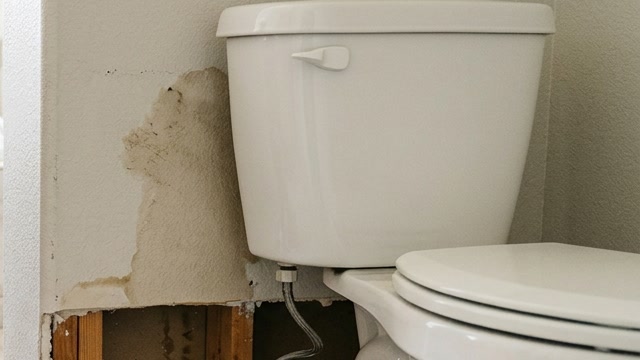
A toilet overflow can turn from a messy bathroom problem into a larger flooring, drywall, and moisture issue if it is not handled quickly. The fast answer: stop the water if you can do it safely, keep people away from wet areas, remove clean movable items from the floor, and call for help if water has spread beyond the bathroom, reached walls, soaked flooring, or affected a ceiling below.
This guide is written for Los Angeles-area homeowners, renters, landlords, and property managers who need calm first steps after a toilet overflow. It is not a substitute for an in-person plumbing inspection. A toilet overflow can come from a simple clog, but it can also point to a deeper drain or sewer problem that needs professional equipment to confirm.
First, Stop the Water at the Toilet
If the toilet is still filling or spilling over, look for the small shutoff valve on the wall or floor behind the toilet. Turn it clockwise until it stops. If the valve is stuck, leaking, or you cannot reach it without stepping through contaminated water, do not force it. Use the home’s main water shutoff if you know where it is and can reach it safely.
Avoid flushing again “just to check.” That can send more water onto the floor and make it harder to tell whether the problem is only in the toilet trap, farther down the drain line, or part of a larger backup.
Keep the Area Safe Before Cleanup
Before grabbing towels, pause and look around. Water from a toilet overflow may contain waste, cleaning chemicals, or bacteria, especially if the bowl overflowed after use or if other drains are backing up at the same time. Keep children and pets out of the room, avoid walking through the water, and do not use fans, heaters, or electrical equipment near wet flooring or outlets.
If water is near an electrical outlet, light fixture, appliance, or ceiling below, treat it as a higher-risk situation. Do not open walls, remove flooring, or run extension cords through the wet area. Those are moments when it is smarter to have the plumbing and moisture situation checked before cleanup turns into guessing.
Figure Out Whether This Is an Isolated Toilet Problem
One toilet overflowing after a large amount of paper is different from multiple fixtures backing up. After the water is stopped, check nearby plumbing without using it heavily. Is the bathtub drain gurgling? Is water coming up in a shower? Are sinks draining slowly? Is there a sewer smell in the bathroom or hallway?
If more than one fixture is acting up, the issue may be beyond the toilet itself. That can mean a branch drain restriction, main line blockage, or sewer line issue. A plunger may not solve that kind of problem, and repeated plunging can push contaminated water around without addressing the real cause.
Protect Flooring and Baseboards From Spreading Moisture
Once the water source is controlled and the area is safe to enter, remove dry items from the floor first: rugs, towels, bath mats, trash cans, storage bins, and anything sitting against the baseboards. If the water is limited and safe to handle, use disposable towels or a wet/dry vacuum rated for this type of cleanup. Do not use a household vacuum.
Pay close attention to the edges of the room. Water often travels under baseboards, into grout lines, beneath vinyl plank flooring, under laminate, or through small gaps around the toilet base. The visible puddle may be only part of the problem. In multi-story homes and apartments, water can also move into the ceiling cavity below the bathroom before stains appear.
Do Not Assume the Drywall Is Fine Because the Floor Looks Dry
Bathroom drywall and baseboards can absorb moisture from the bottom up. If water sat against the wall, reached a vanity toe-kick, or flowed into a hallway, the surface may look better after mopping while hidden materials are still wet. That matters because trapped moisture can damage paint, trim, cabinet materials, flooring adhesive, and subfloor areas.
You do not need to diagnose the wall yourself. The practical homeowner step is to document what happened, note how far the water traveled, and have the area checked if moisture may have entered building materials. Zenon Plumbing & Restoration can help with plumbing-related water cleanup and restoration planning through its Los Angeles water damage restoration service when a toilet overflow affects flooring, drywall, or adjacent rooms.
When a Toilet Overflow Needs a Plumber Quickly
Call for plumbing help instead of relying on repeated DIY attempts when any of these are true:
- The toilet keeps overflowing even after you stop using it.
- More than one drain is slow, gurgling, or backing up.
- Water reached the hallway, bedroom, cabinet base, or ceiling below.
- The toilet shutoff valve will not close or starts leaking.
- You smell sewer odors after the overflow.
- The overflow happened in an apartment, condo, rental, or shared-wall property.
- This is the second or third clog in a short period.
These signs do not prove a major sewer problem, but they do mean the cause should be checked. A plumber can inspect the toilet, flange area, nearby drains, and the line behavior before the same bathroom floods again.
What Los Angeles Homes and Apartments Should Watch For
In Los Angeles-area homes, bathroom plumbing can vary a lot by building age, remodel history, and whether the property is a single-family home, duplex, condo, or older apartment. Some bathrooms have newer fixtures connected to older drain lines. Others have tight spaces where a small overflow reaches the hallway or downstairs ceiling quickly.
For landlords and property managers, the first call is often about stopping the immediate mess, but the follow-up matters too. Document the affected rooms, take photos before moving materials, and avoid promising tenants that everything is dry until the area has been checked. For homeowners, the same rule applies: if water reached flooring edges or drywall, do not judge the damage by the top surface alone.
What Not to Do After a Toilet Overflow
A few common reactions can make the cleanup harder:
- Do not keep flushing to see if the clog clears.
- Do not pour harsh drain chemicals into a toilet or backed-up bathroom.
- Do not run fans across contaminated water.
- Do not remove drywall or flooring unless the situation has been assessed.
- Do not ignore moisture under baseboards just because the visible water is gone.
If you are unsure whether the water is clean or contaminated, treat it cautiously and get professional guidance. The goal is to stop the source, limit spread, and avoid turning a plumbing issue into unnecessary demolition or repeat water damage.
A Simple First-Step Checklist
- Turn off the toilet supply valve if safe.
- Stop using the toilet and nearby drains until you understand the issue.
- Keep children, pets, and foot traffic out of the area.
- Move dry belongings away from wet flooring and baseboards.
- Document where the water traveled with photos.
- Check whether other drains are slow, noisy, or backing up.
- Call for help if water reached walls, flooring edges, cabinets, or another level of the property.
That sequence keeps the response practical without asking you to diagnose the plumbing system on your own.
Zenon Plumbing & Restoration
Dealing with a toilet overflow or plumbing-related water damage? Call (818) 640-2944. Phone answered 24/7, on-site Mon-Sat 9 AM–6 PM. You can also contact Zenon online for help with the next step.


