 Mon-Sat 9AM-6PM
 Make an
Appointment (818) 640-2944
Make an
Appointment (818) 640-2944 2115 W Magnolia Blvd Unit C, Burbank, CA 91506
Burbank Older Homes: Why Drain Backups Can Keep Returning
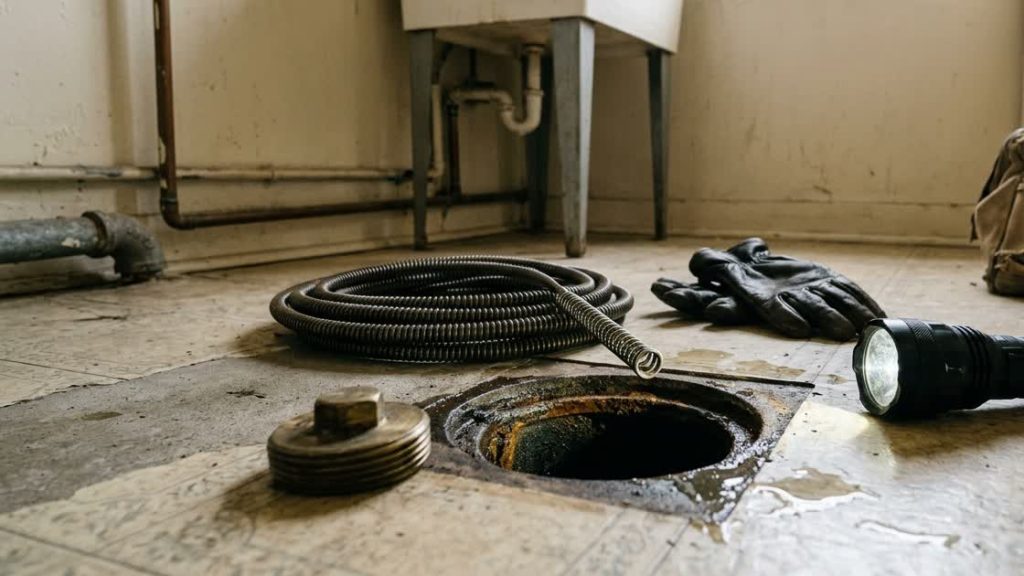
Fast answer: if a drain backup keeps coming back in an older Burbank home, the problem may be deeper than the fixture you can see. A sink, tub, shower, or toilet can act like the “symptom,” while the real issue sits farther down the branch drain, cleanout, or main sewer line. Common possibilities include years of buildup, older pipe materials, low spots in the line, root intrusion, or a partial blockage that was never fully cleared.
That does not mean every slow drain is a major sewer problem. But when backups repeat after plunging, snaking, or clearing one fixture, it is time to slow down and look at the pattern. The goal is to avoid treating the same clog over and over while the underlying drain line keeps getting worse.
Why older Burbank homes can have repeat drain problems
Many Burbank and Los Angeles-area homes have been remodeled, added onto, or repaired in stages over the years. A kitchen may be newer than the drain line under it. A bathroom may look updated while the piping behind the wall is much older. That mix can make drain problems confusing for homeowners, because the fixture looks fine but the line serving it may still have age-related restrictions.
Older drain systems can also have a history. Grease from kitchens, soap residue, laundry lint, hair, mineral buildup, small root intrusions, or settled pipe sections can collect slowly. One cleaning may open enough space for water to move again, but if the line still has buildup or damage, the same area can catch debris and start backing up again.
One clogged fixture vs. a deeper drain-line warning
A single slow bathroom sink often points to a local clog near that fixture. The same is true for a shower drain clogged with hair or a kitchen sink slowed by grease at the trap. Those problems can be annoying, but they are usually easier to isolate.
Recurring backups deserve more attention when you notice patterns like these:
- More than one fixture drains slowly at the same time.
- A toilet, tub, or shower backs up after heavy water use.
- The same drain works for a few days or weeks, then slows again.
- Water appears in a lower fixture when another fixture is running.
- You hear gurgling from nearby drains after laundry, showers, or dishwasher cycles.
- There is a sewer smell, especially near floor drains, tubs, or bathrooms.
Those signs do not prove the main sewer line is failing. They do suggest the issue may not be limited to one stopper, trap, or fixture opening.
Why snaking may help temporarily but not solve the cause
A drain snake can be useful when a blockage is close to the fixture or when the goal is to create an opening through a clog. The limitation is that some recurring problems need more than punching a path through the middle of the obstruction.
For example, grease buildup can coat the inside of a kitchen line. Hair and soap can stick to older bathroom piping. Roots can create a rough area that catches paper and debris. A snake may restore flow temporarily, but if the walls of the pipe remain coated or the damaged area is still there, the drain can slow again.
This is why a repeating backup should be approached as a pattern, not just an isolated clog. A plumbing professional can look at where the backup is happening, which fixtures are connected, whether a cleanout is accessible, and whether camera inspection or a different cleaning method is appropriate.
Common reasons backups return in older homes
Grease and food residue in kitchen lines
Kitchen drains are a common source of repeat clogs. Even when homeowners avoid putting obvious grease down the drain, small amounts can build up over time. Older drain lines with rougher interiors can hold that residue more easily.
Hair, soap, and mineral buildup in bathroom drains
Bathroom drains can collect layers of hair, soap film, toothpaste, shaving residue, and mineral deposits. If the drain has been cleared only at the opening, the restriction farther down the line may still be waiting.
Tree roots near sewer lines
Burbank neighborhoods with mature trees can be beautiful, but roots may follow moisture toward small openings in sewer lines. Root intrusion is not something to diagnose by guessing from the surface. It usually requires inspection before anyone can say what is happening underground.
Older pipe materials or settled sections
Some older drain and sewer lines can develop low spots, offsets, corrosion, or rough interior areas. Water may still move, but solids and debris can collect in the same place again and again. If that is the case, clearing the clog may help temporarily while the structural issue remains.
What homeowners can safely check first
If the backup is small and contained, start with simple observations. Which fixture backed up? Was another appliance running? Did the problem happen after a shower, laundry load, or dishwasher cycle? Is more than one fixture affected? These details help narrow down whether the issue looks local or shared.
Avoid harsh chemical drain cleaners, especially when backups keep returning. They can sit in standing water, create splash hazards, and may not solve the deeper restriction. Do not open cleanouts, work around sewage, or attempt major drain work if there is wastewater, active flooding, electrical risk, or a strong sewer smell. In those situations, it is safer to stop using water and call for professional help.
When to call for professional drain help
It is reasonable to call when a drain backup repeats, affects multiple fixtures, or comes with gurgling, sewer odor, or water appearing where it should not. It is also smart to call before a small recurring backup turns into a larger overflow, especially in an older home where flooring, cabinets, drywall, and subfloors may be affected quickly.
Zenon’s Burbank drain cleaning service can help homeowners figure out whether the issue is a fixture clog, branch-line buildup, or a deeper drain-line problem that needs a more complete look.
A local note for Burbank homeowners
Burbank homes vary a lot from block to block. Some have older plumbing behind updated finishes. Some have additions that changed how fixtures connect. Some sit near mature landscaping where underground lines deserve extra attention. That is why a recurring backup is best handled with a local, pattern-based approach instead of a one-size-fits-all answer.
If you are not sure whether the problem can wait, keep water use to a minimum until the drain is checked. Phone answered 24/7, on-site Mon-Sat 9 AM–6 PM. You can also start from Zenon’s plumbing and drains service hub to find the right next step for your situation.
Bottom line
A drain backup that keeps returning is your home’s way of saying the first fix may not have reached the whole problem. In an older Burbank home, the cause could be buildup, pipe age, root pressure, a shared line, or a partial blockage farther downstream. The safest move is to track the symptoms, avoid risky DIY fixes, and have the drain system checked before the next backup causes more disruption.
Zenon Plumbing & Restoration
Need help with this plumbing problem in Burbank? Call (818) 640-2944. Phone answered 24/7; on-site service Mon-Sat 9 AM–6 PM.


