 Mon-Sat 9AM-6PM
 Make an
Appointment (818) 640-2944
Make an
Appointment (818) 640-2944 2115 W Magnolia Blvd Unit C, Burbank, CA 91506
Burbank Summer Plumbing Problems: Drains, Sprinklers, and Water Pressure
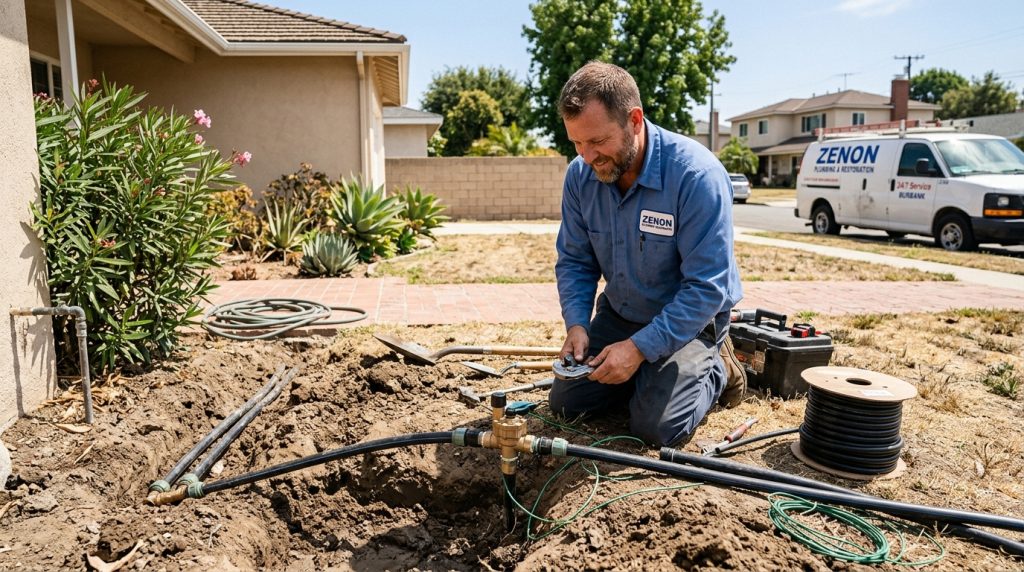
Summer is a good time to pay closer attention to the parts of your plumbing system that get stressed by heat, outdoor water use, guests, and everyday routines. In Burbank and nearby Los Angeles neighborhoods, older homes, mature trees, hard-working kitchen drains, irrigation lines, and pressure changes can all show up at once when the weather warms up.
The fast answer: if you notice slow drains, recurring clogs, wet spots around sprinklers, sudden pressure changes, or water pooling where it should not, do not ignore it until it becomes a larger repair. Check the simple things you can safely see, avoid harsh DIY fixes, and call a plumber when the issue repeats, spreads, or involves a leak you cannot locate.
Why summer can bring out plumbing problems
Summer does not magically break pipes, but it can expose weak spots that were already developing. Outdoor systems get used more often. Kids may be home more during the day. Guests, cooking, laundry, and showers can increase demand. Dry soil can shift around exterior lines. Older pipes and fixtures may also react differently when water use is higher than usual.
For Burbank homeowners, the pattern is usually practical: a drain that was only a little slow in spring becomes a daily annoyance, a sprinkler head starts flooding one side of the yard, or one bathroom suddenly has weaker pressure than the rest of the house. These are not always emergencies, but they are signs worth watching.
Slow drains and recurring clogs
Kitchen and bathroom drains often get more use during summer. More cooking, more showers, more laundry, and more people in the house can put extra strain on drains that already have buildup inside the line.
Common summer drain complaints include:
- a kitchen sink that drains slowly after meals
- a shower drain that backs up during longer use
- gurgling sounds after a toilet flush or sink drain
- multiple fixtures draining slowly at the same time
- clogs that come back soon after plunging
A single slow drain may be a local fixture issue. Multiple slow drains can point to a deeper blockage in the drain or sewer line. That difference matters. Repeatedly pouring chemical drain cleaners into the line can damage pipes, irritate skin and lungs, and make the eventual service call messier. If a clog returns after basic safe clearing, it is usually time to have the line inspected.
Sprinkler and outdoor water issues
Outdoor water use can hide plumbing problems because the water is already outside. A wet patch near a sprinkler head may look normal at first. A soft spot in the yard may be blamed on overwatering. A high water bill may be brushed off as seasonal.
Look for patterns that do not match your normal sprinkler schedule. If one zone leaves standing water, one section of grass stays unusually wet, or water runs down the driveway after the system shuts off, there may be a leak in the irrigation line, valve, or nearby supply line. Homeowners can check the timer, inspect visible sprinkler heads, and look for obvious broken spray patterns. Avoid digging around unknown lines or trying to repair pressurized piping without knowing what you are working on.
Outdoor leaks can also affect indoor plumbing clues. If you notice lower pressure inside while sprinklers are running, or if pressure seems weaker across the whole home, the outdoor system may be part of the story.
Low water pressure: one fixture or the whole house?
Water pressure complaints are common in summer because families often use more fixtures at the same time. One person showers while laundry runs, the dishwasher fills, and sprinklers are active outside. Some pressure dip during simultaneous use can happen, but a sudden or lasting change deserves attention.
Start by noticing where the issue appears. If only one faucet has weak flow, the cause may be a clogged aerator, a fixture valve, or buildup at that fixture. If every faucet is weak, or pressure drops sharply when one fixture is used, the issue may involve the main supply, pressure regulator, a leak, or a broader plumbing restriction.
Do not assume low pressure is always a leak. It can come from fixture buildup, valves that are not fully open, municipal supply changes, or system design. But if low pressure appears with wet flooring, wall stains, foundation-area moisture, or a spinning meter when no fixtures are running, it is worth calling for professional help.
Warning signs that should not wait
Some summer plumbing problems can be watched for a short time. Others should be treated more seriously. Call for help sooner if you notice:
- water pooling indoors or near the foundation
- sewage odor or drain backup
- multiple fixtures backing up at once
- a sudden pressure drop throughout the home
- ceiling stains, bubbling paint, or damp drywall
- hot water system leaks or moisture near electrical components
- a water meter moving when all fixtures are off
If there is active water where it should not be, shut off the water if you can do so safely. Do not touch electrical panels, outlets, or plugged-in appliances near standing water. For sewage backups, major leaks, or possible mold-risk situations, avoid opening walls or attempting deep cleanup without proper evaluation.
Simple homeowner checks before calling
A few safe checks can help you explain the problem clearly when you request service. You do not need to diagnose the system yourself. The goal is to gather useful observations.
- Write down when the issue started and whether it is getting worse.
- Check whether the problem affects one fixture, one room, or the whole house.
- Look at visible valves and confirm they were not accidentally bumped partly closed.
- Take photos of wet spots, stains, or outdoor pooling before the area dries.
- Listen for gurgling, running water, or unusual pipe sounds.
- Check whether the issue happens only when sprinklers, laundry, or showers are running.
These details help a plumber narrow the starting point. They can also help avoid replacing parts that are not connected to the real issue.
How to prevent small summer issues from turning into repairs
Prevention is mostly about attention. Run water in guest bathrooms before visitors arrive. Keep grease, coffee grounds, and food scraps out of the kitchen sink. Clean visible debris from shower strainers. Walk the yard after sprinkler cycles and look for areas that stay wetter than the rest. If your home has had previous slab leaks, sewer issues, or pressure regulator problems, take new symptoms seriously instead of waiting for them to repeat for weeks.
For plumbing concerns that keep coming back, Zenon’s plumbing and drain services can help identify whether the issue is a fixture problem, drain blockage, leak, or broader system concern. A seasonal check is especially useful when symptoms overlap, such as a slow drain plus low pressure or outdoor pooling plus a higher water bill.
A local note for Burbank-area homes
Burbank has a mix of older homes, apartments, additions, mature landscaping, and remodeled kitchens and bathrooms. That mix can make plumbing symptoms confusing. A newer fixture may connect to older piping. A healthy-looking yard may hide sprinkler or sewer-line trouble. A slow drain may be local, or it may be the first sign of a deeper line issue. The safest approach is to treat recurring symptoms as information, not as something to push through with quick fixes.
If you are unsure whether a summer plumbing issue is urgent, gather what you can see, avoid risky DIY work, and ask for guidance before it becomes water damage.
Need help with a summer plumbing problem?
If drains, sprinklers, pressure changes, or possible leaks are starting to worry you, call Zenon Plumbing & Restoration at (818) 640-2944 or use the contact page to request help. For active leaks, shut off the water if it is safe, keep people away from electrical hazards, and get the problem checked before it spreads.
Zenon Plumbing & Restoration
Need help with this plumbing problem in Burbank? Call (818) 640-2944. Phone answered 24/7; on-site service Mon-Sat 9 AM–6 PM.


