 Mon-Sat 9AM-6PM
 Make an
Appointment (818) 640-2944
Make an
Appointment (818) 640-2944 2115 W Magnolia Blvd Unit C, Burbank, CA 91506
Cast Iron Drain Lines in Older LA Homes: Warning Signs Before Major Repair
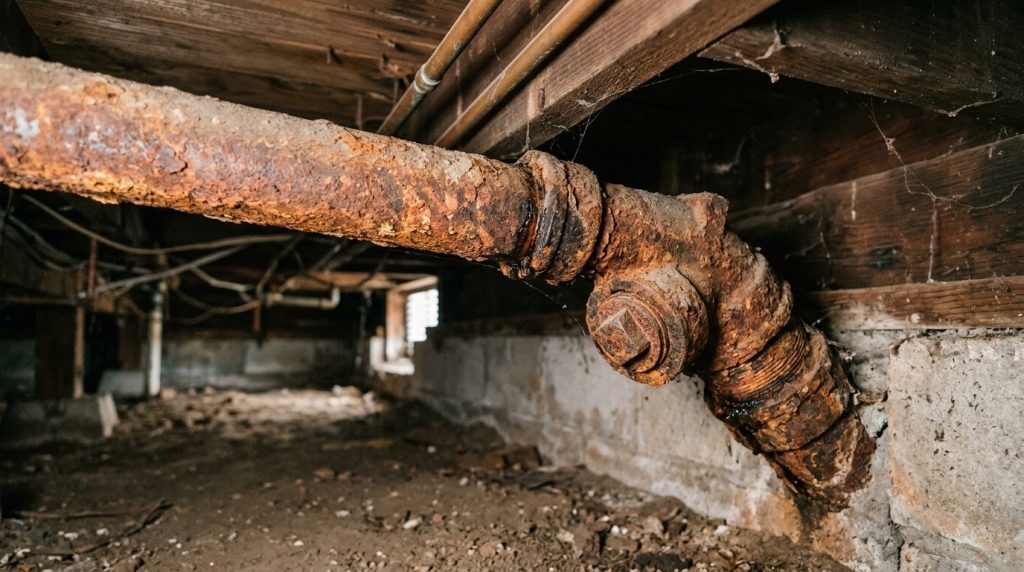
If you live in an older Los Angeles home and your drains keep slowing down, backing up, or making odd noises, the issue may not be only a simple clog. Some older homes still have cast iron drain or sewer lines, and those pipes can develop corrosion, scale buildup, cracks, or rough interior surfaces over time.
The fast answer: one slow drain is often local to that fixture, but repeated backups, sewer odors, wet spots, or gurgling from multiple fixtures can point to a deeper drain line problem. A plumber still needs to inspect the line in person before anyone can say what is happening. For Los Angeles homeowners dealing with recurring drain issues, Zenon’s Los Angeles drain and sewer repair service can help identify whether cleaning, repair, or another next step makes sense.
Why Cast Iron Drain Lines Matter in Older LA Homes
Cast iron was common in many older homes because it is strong, quiet, and long-lasting when conditions are right. But long-lasting does not mean permanent. Years of water flow, minerals, grease, soaps, waste, soil movement, and normal wear can change the inside of the pipe. Instead of a smooth path, the pipe can become rough, narrowed, or brittle in spots.
That matters because drain problems do not always start as a dramatic backup. In many homes, the warning signs are small at first. A tub drains slower than it used to. A toilet bubbles after the washing machine runs. A floor drain smells musty. A kitchen line clears after plunging, then slows again a week later. Those clues do not prove a major pipe problem, but they are worth taking seriously when they repeat.
Los Angeles also has a lot of mixed-age housing. A remodeled kitchen or bathroom may look new while older drain lines remain under the slab, behind walls, or under the yard. That is why a surface-level fixture upgrade does not always solve a recurring drain issue.
Warning Sign 1: Drains Keep Slowing Down After You Clear Them
A one-time clog can happen in almost any home. Hair, soap film, food scraps, grease, or a small object can slow a fixture and then clear with normal service. The bigger concern is a drain that keeps coming back with the same problem.
Recurring slow drains can happen when the pipe interior has buildup that catches new debris quickly. In cast iron lines, rough interior areas may make it easier for grease, paper, sludge, and mineral scale to cling to the pipe. If the drain improves briefly after basic clearing and then slows again, the line may need a closer look instead of another round of guesswork.
A safe homeowner step is to note which fixture is affected, how often it happens, and whether other drains act up at the same time. Avoid relying on harsh chemical drain cleaners, especially if the issue keeps returning. They may not solve the deeper cause and can create other risks depending on the pipe condition and product used.
Warning Sign 2: More Than One Fixture Gurgles or Backs Up
When one sink is slow, the problem may be near that sink. When multiple fixtures gurgle, bubble, or back up, the pattern can point farther down the drain system. For example, a toilet may bubble when the tub drains, or a laundry drain may gurgle while a nearby bathroom is in use.
Gurgling often means air is moving through the plumbing in a way it should not. That can happen for several reasons, including venting problems, partial blockages, or drain line restrictions. The important part is not to diagnose it from the sound alone. The pattern tells you it is time to stop treating each fixture as a separate problem and have the line checked as a system.
If sewage is actively backing up into a tub, shower, toilet, or floor drain, avoid using more water in the home until help arrives. Do not keep flushing or running fixtures to “test” it, because that can push more wastewater into the affected area.
Warning Sign 3: Sewer Odors Around Drains or Low Areas
A sewer smell can come from a dry trap, a dirty fixture, a vent issue, or a drain line problem. In an older home, persistent odor deserves attention, especially when it appears near floor drains, bathrooms, laundry rooms, or lower-level fixtures.
With aging cast iron, cracks, bad joints, heavy buildup, or partial blockages can contribute to odors. That does not mean every smell is a broken sewer line. It does mean the odor should not be ignored if it keeps returning after normal cleaning and water is present in the trap.
Homeowners can check simple items first: make sure rarely used drains have water in the trap, clean visible drain covers, and notice whether the smell gets stronger after laundry, showers, or heavy water use. If the odor returns quickly, gets worse, or comes with gurgling or slow drains, it is time for a professional inspection.
Warning Sign 4: Damp Spots, Soft Flooring, or Unexplained Yard Changes
Drain line problems are not always visible at the fixture. Depending on where the line runs, homeowners may notice damp flooring, soft spots, stains near baseboards, unusual odors, or changes in the yard. Outdoors, unusually wet soil or sunken areas can have several causes, including irrigation, grading, or plumbing.
Do not assume a cast iron drain line is the cause from one damp spot. But do document what you see. Take photos, note when the area appeared, and write down whether it changes after heavy water use inside the home. That information helps a plumber narrow the possibilities during an in-person visit.
If water is actively spreading indoors, move items away from the area if it is safe, avoid electrical hazards, and stop using nearby fixtures until the source is understood. If the issue involves sewage, treat it as a bigger safety and cleanup concern rather than a normal wet floor.
Warning Sign 5: Drain Problems Cluster After Heavy Water Use
Older drain lines may seem fine during light use, then act up when several fixtures run close together. A long shower, laundry cycle, dishwasher load, and toilet use can add up quickly. If the line is narrowed or partially blocked, that extra volume may reveal a restriction.
This is why timing matters. A backup that happens only after laundry may point in one direction. Gurgling after multiple fixtures run may point in another. Slow draining after large kitchen cleanup may involve grease or food debris. A good service visit looks at the pattern, not just the most recent symptom.
What a Plumber May Check Before Recommending Major Repair
A trustworthy repair recommendation should not be based on guesswork. Depending on the symptoms, a plumber may check fixture behavior, cleanout access, visible pipe condition, drainage patterns, and whether a camera inspection is appropriate. The goal is to understand where the issue is, how severe it appears, and whether the line can be cleared or needs a more involved repair discussion.
Sometimes a drain cleaning visit is enough. Sometimes hydro jetting or camera inspection may be discussed. Sometimes the pipe condition is the bigger issue. The right answer depends on the home, the access points, the material, and what the inspection shows.
Be cautious with anyone who jumps straight to a major repair without explaining what was found. Older cast iron lines can need serious work, but homeowners deserve a clear explanation before making that decision.
Local Trust for Los Angeles Homeowners
LA homes vary block by block. A hillside property, a mid-century home, a remodeled duplex, and an older single-family house may all have different drainage layouts and access challenges. Local experience matters because the practical repair path is not only about the pipe material. It is also about where the cleanouts are, how the home was remodeled, how water is used, and what symptoms are showing up now.
Zenon Plumbing & Restoration serves homeowners in Los Angeles and nearby communities with practical plumbing help, drain diagnostics, and clear next-step guidance. If you are comparing symptoms, the broader Plumbing & Drains service hub is also a helpful place to understand Zenon’s plumbing service options.
When to Call Instead of Waiting
Call sooner if drains are backing up into tubs or showers, more than one fixture is affected, sewer odor keeps returning, water is spreading indoors, or the same drain issue keeps coming back after clearing. These situations do not automatically mean major repair is needed, but waiting can make the cleanup and diagnosis harder.
Need help with recurring drain or sewer symptoms? Call (818) 640-2944. Phone answered 24/7, on-site Mon-Sat 9 AM–6 PM. If it is safe, stop using the affected fixtures until the line is checked.
Zenon Plumbing & Restoration
Need help with this plumbing problem in Burbank? Call (818) 640-2944. Phone answered 24/7; on-site service Mon-Sat 9 AM–6 PM.


