 Mon-Sat 9AM-6PM
 Make an
Appointment (818) 640-2944
 2115 W Magnolia Blvd Unit C, Burbank, CA 91506

Dark Seams in Hardwood Flooring After a Slow Leak: What Homeowners Should Document
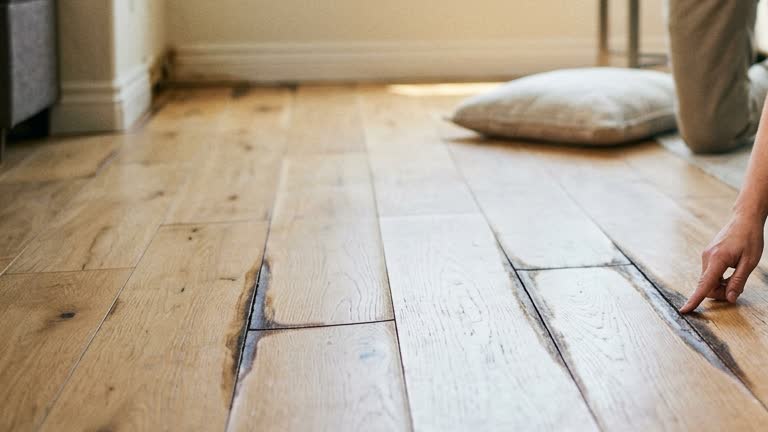
Dark lines between hardwood boards after a slow plumbing leak can be an early sign that moisture has moved into the flooring system, but the appearance alone does not tell you how wet the material is or how far the moisture traveled. Stop the water source if it is safe to do so, avoid covering or refinishing the area, and document what you see before cleanup changes the evidence.
A floor can look only slightly discolored while moisture remains below the finished surface. The safest next step is an in-person assessment of both the plumbing source and the affected materials. A plumber or restoration professional may need to check the area with appropriate moisture-detection equipment before anyone decides whether drying, selective removal, or another response is appropriate.
Why do dark seams appear between hardwood boards?
Hardwood has joints where one board meets the next. During a slow leak, water may follow those joints, collect at board edges, or move into the underlayment and subfloor. The edges can then look darker than the centers of the boards. Depending on the floor finish, wood species, age, and source of the moisture, you may also notice dull patches, slight swelling, or a change in texture.
Dark seams are not a diagnosis by themselves. Normal finish wear, old stains, tracked-in moisture, or residue can produce a similar appearance. The timing matters: if the change appeared during or shortly after a sink, appliance, toilet, supply-line, or hidden pipe leak, it deserves a closer look.
Can the floor still be wet after the leak stops?
Yes. Turning off the water or repairing the plumbing source stops new water from entering, but it does not instantly remove moisture already absorbed by the floor assembly. Finished hardwood may dry differently from the material beneath it. A dry-feeling surface therefore does not prove that the underside of the boards or the subfloor is dry.
Los Angeles-area homes also vary widely in construction. Flooring may be installed over plywood, concrete, older underlayment, or several layers left from earlier remodeling. Those differences affect where moisture can travel and how easily the area can be evaluated. No one should promise a drying timeline without seeing the floor and checking the conditions in person.
What should you document right away?
Good records help you track whether the area is changing and give the professionals who inspect it a clearer starting point. They may also be useful if you later need to explain the sequence of events to a property manager or insurance representative.
- Take wide photos. Show the affected room and the floor’s position relative to the suspected plumbing source.
- Take close photos. Capture the dark seams, board edges, finish changes, and any visible swelling without applying filters.
- Record the date and time. Note when you first saw the discoloration, when the leak was discovered, and when the water source was stopped or repaired.
- Note what changed. Write down whether the dark area expanded, boards began to lift, or an odor appeared.
- Keep relevant repair records. Save plumbing invoices, inspection notes, and photos taken before materials are moved.
- Photograph nearby surfaces. Baseboards, lower drywall, cabinets, and adjoining rooms can provide useful context.
Do not pull up boards solely to get a better picture. Removing flooring without a plan can cause additional damage, disturb concealed materials, and make it harder to understand the original moisture path.
What changes suggest the problem may extend below the finish?
Dark seams can be one visible clue, but look at the area as a whole. Changes that justify prompt professional evaluation include:
- board edges that feel raised or uneven;
- cupping, crowning, buckling, or gaps that were not present before;
- a soft, springy, or unusually noisy section of floor;
- discoloration spreading away from the known leak area;
- damp or stained baseboards and lower wall surfaces;
- a persistent musty odor; or
- moisture reappearing after surface wiping.
These signs do not identify the source or establish the extent of damage on their own. They simply show why looking only at the top of the floor can be misleading.
What should homeowners avoid doing?
Quick cosmetic fixes can hide useful clues and may trap moisture. Until the area has been evaluated, avoid sanding, staining, sealing, or placing a rug over the dark seams. Do not aim high heat at the floor. Aggressive heating can affect wood unevenly and is not a substitute for a controlled drying plan.
Be careful with electrical equipment around wet materials. If water may have reached outlets, wiring, appliances, or an energized area, keep away and contact the appropriate qualified professional. Do not enter an area with a sagging ceiling, visibly unstable materials, contaminated water, or another condition that appears unsafe.
If the leak is active and you can safely reach the correct shutoff, stop the water and move belongings away from the affected area. If you are unsure which valve controls the leak, or reaching it would put you near water and electricity, wait for professional help.
How is hidden moisture checked?
An in-person assessment may combine visual inspection with moisture readings taken at the affected floor and nearby comparison areas. The professional may also consider the leak source, how long it may have run, the direction water could have traveled, and the materials beneath the hardwood.
One reading is not always enough. Moisture can be uneven, especially when water follows seams or reaches the floor from below. The goal is not merely to confirm that one visible spot is damp. It is to understand the likely boundary of the affected area so the response is proportionate.
For a plumbing-related loss in the Los Angeles area, Zenon’s Los Angeles water damage restoration service can help evaluate the affected area and determine practical next steps after the water source is addressed.
Should you contact your insurer before cleanup?
Policy terms and reporting requirements vary. If you may file a claim, consider contacting your insurer promptly and asking what documentation it wants before materials are removed. Keep your description factual: when the leak was noticed, what source was identified, what was done to stop it, and what visible changes followed.
Do not delay reasonable steps needed to prevent additional damage while waiting for a response. At the same time, avoid making permanent cosmetic changes before the condition has been documented. If you rent or manage the property, notify the responsible owner or manager according to the lease and building procedures.
Why local construction details matter
Homes across Los Angeles, Burbank, and Glendale include older houses, apartment buildings, slab-on-grade construction, and remodeled properties with multiple flooring layers. A slow leak can behave differently in each setting. Water beside a dishwasher may travel under cabinets; moisture near a bathroom wall may follow a shared partition; and water over a slab may spread beneath flooring before a large surface stain appears.
That is why a homeowner-friendly answer should stay simple: document the change, stop the source safely, and get the actual assembly checked. The right response depends on the materials and moisture pattern found at the property, not on a photo or a generic online timeline.
When should you ask for help?
Arrange an assessment when the discoloration appeared after a known leak, continues to spread, returns after wiping, or comes with raised boards, damp baseboards, odor, or softness. Prompt evaluation is also sensible when the source was hidden or the leak may have continued for an unknown period.
If you need help arranging an inspection, contact Zenon Plumbing & Restoration with the leak location, when it was discovered, and any changes you have documented. If water is still entering the home, shut it off if safe and call (818) 640-2944. Phone answered 24/7, on-site Mon-Sat 9 AM–6 PM.
Zenon Plumbing & Restoration
Need help with this plumbing problem in Burbank? Call (818) 640-2944. Phone answered 24/7, on-site Mon-Sat 9 AM–6 PM.


