 Mon-Sat 9AM-6PM
 Make an
Appointment (818) 640-2944
Make an
Appointment (818) 640-2944 2115 W Magnolia Blvd Unit C, Burbank, CA 91506
Dishwasher Leak Under the Floor: First Steps Before Moisture Spreads
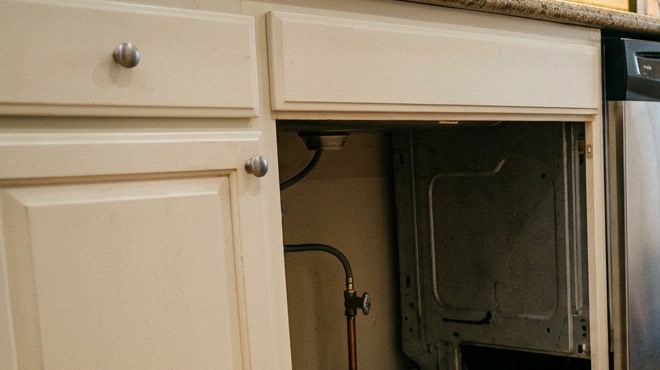
A dishwasher leak under the floor is one of those plumbing problems that can look small at first and still spread quickly. If you notice water near the toe-kick, a soft spot in the kitchen floor, damp baseboards, or a musty smell after running the dishwasher, the safest first move is simple: stop using the appliance, shut off the water supply if you can reach it safely, and start limiting how far moisture can travel.
This guide is for Los Angeles-area homeowners who are trying to decide what to do in the first few minutes and hours. It is not a substitute for an in-person inspection. Water can move under cabinets, tile, vinyl, laminate, and subflooring in ways that are hard to judge from the surface.
Fast answer: what should you do first?
If you think the dishwasher is leaking under the floor, take these steps in order:
- Turn the dishwasher off and do not run another cycle to “test” it.
- If safe and accessible, shut off the dishwasher supply valve under the sink.
- Unplug the dishwasher only if the plug is easy to reach and the area is dry. Do not touch electrical components while standing in water.
- Blot or remove visible standing water with towels or a wet/dry vacuum if you can do so safely.
- Move rugs, boxes, pet bowls, and furniture away from the wet area.
- Take photos of visible water and affected flooring before moving too much around.
- Call for help if water has reached cabinets, baseboards, walls, flooring seams, or another room.
For appliance-related water damage that may already be spreading under the finished floor, Zenon’s Los Angeles water damage restoration team can help inspect the affected area and explain the next practical steps.
Why dishwasher leaks can hide under flooring
Dishwashers are tucked into a cabinet opening, which makes leaks harder to see early. A small supply-line drip, loose drain connection, cracked hose, door seal issue, or overflow can release water behind the front panel or along the sides of the appliance. From there, water may run under the cabinet base instead of pooling in the open kitchen.
Flooring can also hide the problem. Tile grout lines, luxury vinyl plank seams, laminate edges, and transitions between rooms can all allow water to move before the top surface looks obviously wet. In some kitchens, water follows a low spot in the floor and shows up several feet away from the dishwasher. That is why the visible puddle is not always the full affected area.
Signs the leak may have reached the subfloor
You do not need to diagnose the damage yourself, but these warning signs are worth taking seriously:
- A spongy, soft, or uneven feeling when you step near the dishwasher.
- New gaps, lifting edges, bubbling, or cupping in laminate or wood-style flooring.
- Darkened grout, damp baseboards, or swelling at cabinet toe-kicks.
- Water appearing again after you already dried the visible puddle.
- A musty odor that starts near the appliance or lower cabinets.
- Moisture showing in a room, hallway, or cabinet next to the kitchen.
Any one of these can mean moisture is under the surface. It does not automatically mean the floor has to be removed, but it does mean guessing is risky. A plumber or restoration technician can use moisture readings and an on-site inspection to understand how far the water traveled.
Should you pull the dishwasher out?
In many cases, no. Pulling a dishwasher out without the right tools can kink the supply line, damage the drain hose, scrape flooring, or make the leak worse. It can also be unsafe if water is near electrical wiring or the appliance plug.
A better homeowner step is to stop the water source, keep the area clear, document what you can see, and avoid disturbing connected parts. If the shutoff valve is stuck, corroded, hidden behind stored items, or already wet around electrical components, leave it alone and get help.
What caused the leak?
Several common plumbing and appliance issues can cause water to show up under or around a dishwasher:
- Loose or aging supply line: A slow drip can run behind the appliance and under the floor before it is obvious.
- Drain hose problem: A loose clamp, cracked hose, or poor drain connection can leak during or after a cycle.
- Clogged or restricted kitchen drain path: If water cannot drain correctly, it may back up through the dishwasher connection or disposal area.
- Door gasket or latch issue: Water may escape at the front and then slip under flooring edges.
- Over-sudsing: The wrong soap or too much detergent can push water out during a cycle.
- Appliance failure: A pump, tub, float switch, or internal part may fail and release water.
The important point is that the plumbing source and the water-damage area are two separate questions. Fixing a hose or valve may stop new water, but it does not automatically dry the materials that already got wet.
How far can moisture spread?
Water often moves along the path of least resistance. In Los Angeles homes and apartments, that may mean under lower cabinets, beneath floating floors, through wall-floor gaps, into a pantry, or toward a shared wall. Older buildings can have uneven floors, patched materials, and previous remodel layers that make moisture movement less predictable.
Because kitchens often include cabinets, baseboards, drywall, flooring, and nearby electrical outlets, it is smart to be cautious. Do not cut into materials, pry up flooring, or run fans into wall cavities unless a professional has inspected the area. Air movement can help with surface drying, but hidden moisture needs the right assessment first.
What can you safely do while waiting for help?
Keep the area simple and safe:
- Keep people and pets away from wet flooring if it feels slippery or unstable.
- Do not run the dishwasher, garbage disposal, or nearby sink if those seem connected to the leak.
- Open nearby cabinet doors only if the area is dry enough to do so safely.
- Remove dry items from under the sink or neighboring cabinets so they do not absorb moisture.
- Write down when you first noticed the leak and whether it happened during a wash, rinse, drain, or idle period.
That timing information can help narrow the source. For example, water during fill may point to a supply issue, while water during drain may point to the hose or drain connection. Still, the final call should come from an in-person inspection, not a guess based on timing alone.
When is a dishwasher leak urgent?
Treat it as urgent if water is spreading, flooring feels soft, cabinets are wet, a ceiling below is stained or dripping, the leak keeps returning, or you cannot safely shut off the water. You should also avoid DIY troubleshooting if there is any chance water reached electrical components.
If the area is limited to a small, dryable surface puddle and the dishwasher is fully shut off, you may have a little more time to schedule service. But if moisture may be under the flooring, waiting can make the inspection and drying process more complicated.
Local note for Los Angeles-area homes
Many LA-area kitchens have been remodeled in layers: original subfloor, older tile, newer vinyl or laminate, patched cabinets, and appliance openings that were adjusted over time. That can make dishwasher leaks harder to trace. Water may not show up where the failure started, and flooring seams can send moisture into places that look unrelated at first.
That is why a calm, step-by-step response matters. Stop the source if safe, protect the area, document what you see, and get the leak and moisture checked before assuming the surface is dry.
Need help with a dishwasher leak?
If you are dealing with water under or around a dishwasher, call (818) 640-2944. Phone answered 24/7, on-site Mon-Sat 9 AM–6 PM. You can also contact Zenon Plumbing & Restoration online to request service or ask about the next step for your home.
Zenon Plumbing & Restoration
Need help with this plumbing problem in Burbank? Call (818) 640-2944. Phone answered 24/7; on-site service Mon-Sat 9 AM–6 PM.


