 Mon-Sat 9AM-6PM
 Make an
Appointment (818) 640-2944
 2115 W Magnolia Blvd Unit C, Burbank, CA 91506

Drain Flies Keep Returning After Cleaning: When the Drain Line Needs a Closer Look
Fast answer: If drain flies keep returning after you clean the sink or shower, the visible insects are probably not the whole problem. A damp layer of organic buildup may still be present inside the drain, overflow channel, trap, or a nearby plumbing line. Clean the accessible parts, check which fixture is actually producing the flies, and arrange a closer drain-line inspection if they continue coming back.
Drain flies are small, fuzzy-looking insects that tend to stay close to sinks, tubs, showers, floor drains, and other damp areas. Seeing one or two does not tell you exactly what is happening inside the plumbing. But repeated activity after routine cleaning is a useful clue: the source may be deeper than the surface you can reach.
Why do drain flies come back after cleaning?
Wiping a sink basin or pouring a household cleaner into the opening may remove odors and residue near the top. It may not reach the film coating the inside of a drainpipe. That moist buildup can collect soap, hair, food residue, grease, and other material over time.
The exact source can also be easy to misidentify. Flies seen near one sink may be coming from an overflow opening, a neighboring fixture, a floor drain, a disposal connection, or another damp space nearby. Cleaning the wrong area can make the problem seem unusually persistent.
Common reasons the activity returns include:
- Residue remains below the drain opening or inside the trap.
- A sink overflow channel has not been cleaned.
- A slow drain keeps the pipe wet and allows more buildup to collect.
- A rarely used drain has standing residue or a dry trap.
- There is more than one affected fixture.
- A loose connection or hidden leak is keeping a nearby cabinet or wall cavity damp.
- A deeper drain-line issue is contributing to recurring buildup.
These are possibilities, not a diagnosis. The condition of the pipe, the location of the activity, and the way the fixture drains all matter.
How can you tell which drain is the source?
Start by observing where the insects rest and when they appear. Look around the drain opening, sink overflow, backsplash, underside of the sink, shower curb, and nearby floor drain. Also notice whether the fixture drains slowly, gurgles, smells unusual, or backs up.
For a simple overnight check, make sure the fixture is not needed, dry the drain opening, and place a transparent cup or a strip of clear tape over the opening without pushing anything into the pipe. Leave a small air gap rather than sealing a plumbing fixture in a way that interferes with normal use. Activity beneath the cover can help narrow the source, but a negative result on one night does not rule out that drain.
Repeat the observation at other nearby fixtures if needed. In a bathroom, the sink, tub, shower, and floor drain may all be close enough that the source is not obvious at first glance.
What can a homeowner safely clean?
You can remove a reachable stopper or drain screen if it is designed for routine cleaning, then clear visible hair and residue while wearing household cleaning gloves. Wash the removable part and clean the accessible rim of the drain. For a sink with an overflow opening, clean only the reachable surface and follow the fixture maker’s care guidance.
An enzyme-based drain maintenance product may be appropriate for some plumbing systems when used exactly as its label directs. It generally needs time to work on organic residue. Do not mix drain products, and do not combine cleaners with bleach, acids, ammonia, or other chemicals. If a strong chemical cleaner has already been used, tell the plumbing professional before anyone opens the trap or works on the line.
Boiling water is not a universal fix. Very hot water can be unsuitable for some piping or fixture materials, and it still may not remove buildup farther down the line. Repeatedly pouring different products into a drain can also make later service more difficult without addressing the cause.
When does the drain line need a closer look?
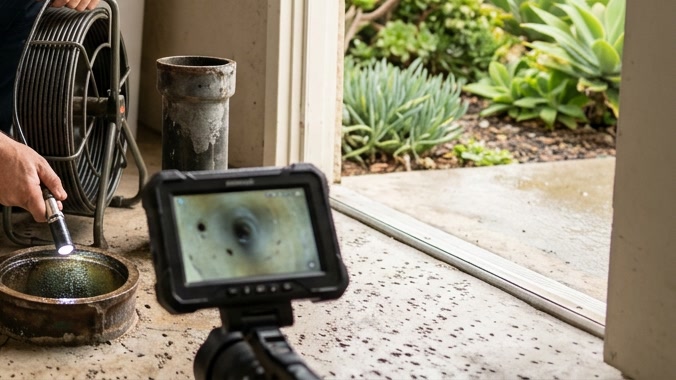
A professional inspection makes sense when the flies return after several days of careful cleaning, especially when the drain is also slow or produces an odor. It is also worth checking the line when several fixtures are affected, water backs up, or activity appears around a floor drain that is difficult to access.
The goal is not to assume that every recurring drain-fly problem requires major work. A closer look can help separate reachable fixture buildup from a restriction, damaged connection, venting concern, or another source of persistent moisture. Depending on what is found, the next step may be targeted cleaning rather than a more involved repair.
If the affected fixture is in Glendale, Zenon’s Glendale drain cleaning service can help evaluate the line and recommend a practical next step after seeing the system in person.
Could a slow drain be part of the problem?
Yes. A drain that empties slowly can leave more residue and moisture inside the pipe. The cause could be close to the fixture, or it could be farther along the branch line. A sink that improves briefly after plunging or surface cleaning but slows again may have buildup that was shifted rather than fully removed.
Watch for patterns:
- One fixture is slow while the others work normally.
- Multiple nearby fixtures drain poorly at the same time.
- The problem returns soon after a temporary improvement.
- Gurgling occurs when another fixture is used.
- Water appears inside the cabinet or around the fixture base.
Those details help a technician decide where to begin. They do not prove a specific defect on their own.
What about rarely used drains?
Guest bathrooms, laundry areas, utility sinks, and floor drains may sit unused for long periods. Water in a trap can evaporate, while residue remains on the pipe walls. Running the fixture periodically may restore water to a trap, but it will not repair a leak, remove a physical blockage, or correct a damaged line.
If you notice a strong sewer-like odor, repeated gurgling, wastewater backup, or moisture outside the drain, stop treating the issue as a simple cleaning task. Avoid opening sewer components or dismantling piping without the right tools and experience.
Why local plumbing conditions matter in Glendale and greater Los Angeles
Homes and multi-unit properties around Glendale and greater Los Angeles vary widely in age, piping materials, fixture updates, and past repairs. A newer sink can still connect to an older branch line, and remodeled rooms may hide transitions between materials. That is why a practical evaluation starts with the actual fixture and drainage pattern instead of assuming the same cause in every home.
For landlords and property managers, it helps to record which unit and fixture is affected, when the activity began, whether the drain is slow, and what products have already been used. That history can shorten the troubleshooting process and reduce repeated surface treatments.
How do you keep the problem from returning?
Prevention is mostly about reducing buildup and noticing drainage changes early. Use strainers where appropriate, remove hair and food residue before it enters the drain, avoid sending grease down a kitchen sink, and clean removable stoppers on a regular schedule. Pay attention when a drain begins to slow rather than waiting for a full backup.
After the source is addressed, keep the area around the fixture dry and repair any confirmed leaks. If the flies persist even though the plumbing area is clean and dry, another non-plumbing source may need to be considered.
When should you call for help?
Call when the activity keeps returning, the drain remains slow, several fixtures are involved, or you see leaking or backup. A drain professional can inspect the setup in person and explain whether routine cleaning, line cleaning, or repair is appropriate.
To have Zenon review a recurring drain issue, request help through the contact page or call (818) 640-2944. Phone answered 24/7, on-site Mon-Sat 9 AM–6 PM.
Zenon Plumbing & Restoration
Need help with this plumbing problem in Burbank? Call (818) 640-2944. Phone answered 24/7; on-site service Mon-Sat 9 AM–6 PM.


