 Mon-Sat 9AM-6PM
 Make an
Appointment (818) 640-2944
Make an
Appointment (818) 640-2944 2115 W Magnolia Blvd Unit C, Burbank, CA 91506
Emergency Shutoff Tips for Older Los Angeles Homes With Multiple Valves
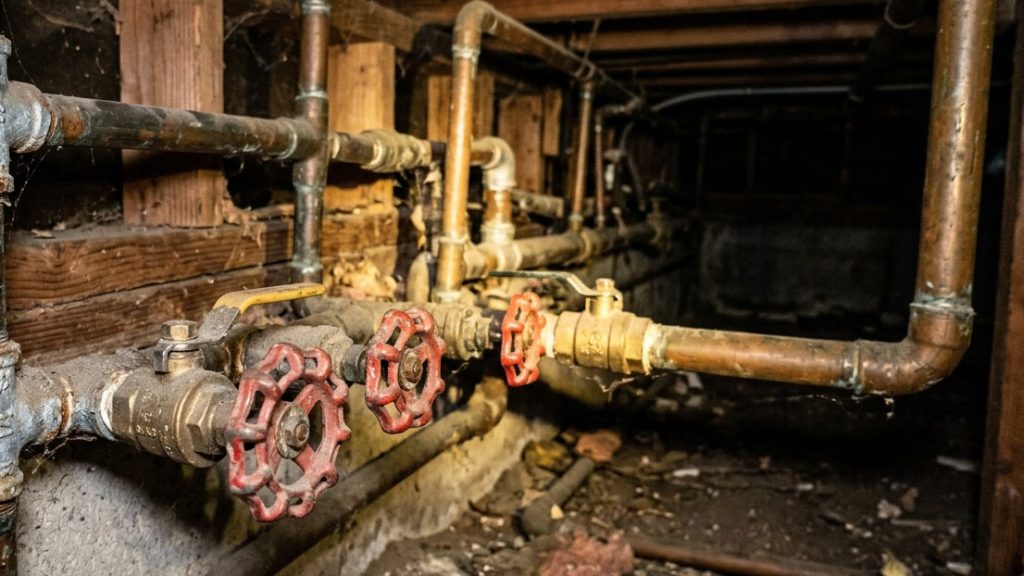
Older Los Angeles homes can have more than one water valve, especially after remodels, additions, water heater changes, irrigation work, or fixture updates. In an emergency, the right move is not to guess or start turning every handle you see. The fast answer is: look for the main shutoff first, shut water off only if it is safe to do so, avoid electrical areas, and call for help if water is active, spreading, or coming from a line you cannot identify.
If you are dealing with a burst pipe, major leak, or water moving into walls or flooring, Zenon Plumbing & Restoration can help with emergency plumbing in Los Angeles. Phone answered 24/7, on-site Mon-Sat 9 AM–6 PM.
Fast answer: which valve should you try first?
For a whole-home emergency, the main water shutoff is usually the most important valve. It controls water entering the property, so it can reduce flow to many fixtures at once. In older LA homes, though, the main shutoff may not be obvious. It may be near the front of the house, in a garage, along an exterior wall, in a crawl space, near a water heater, or close to the meter.
If the leak is isolated to one fixture, a local shutoff may be the better first step. For example, a toilet often has a small valve on the wall or floor behind it. A sink may have small hot and cold shutoffs below the cabinet. A water heater typically has a cold-water supply valve above or near the unit. These local valves can sometimes stop water to one problem area without shutting down the whole home.
The key is not speed at all costs. A stuck, corroded, or confusing valve can break or make the situation worse if forced. If a handle does not move with normal hand pressure, stop and call a plumber.
Why older Los Angeles homes can have confusing shutoff layouts
Many Los Angeles homes have been changed over time. A house may have original galvanized piping in one area, copper or PEX from a later repair in another, a relocated water heater, an added bathroom, or separate irrigation plumbing. That history can leave behind extra valves that once served a purpose but are not clearly labeled today.
You may see valves in several places:
- near the water meter or property line
- on an exterior wall facing the driveway or side yard
- inside a garage, utility closet, basement, or crawl space
- above the water heater
- below sinks, behind toilets, or behind appliances
- near irrigation, hose bibs, or pressure regulators
Some valves control the entire property. Some control only one branch. Some may no longer work well. Without seeing the actual system in person, nobody should promise exactly what a valve controls just from a photo or description. That is why it helps to know the basic types before an emergency happens.
Main shutoff vs fixture shutoff: how to think about it
A main shutoff is the broadest control point. If water is spraying from a pipe in a wall, running under flooring, or affecting more than one room, the main shutoff is usually the safest first target if you can reach it without walking through water near electrical hazards.
A fixture shutoff is more limited. It is useful when the problem is clearly tied to one fixture. A toilet supply line drip, faucet leak, or sink supply issue may stop when you close that local valve. If the local valve is stuck, leaking around the stem, or turns without stopping the water, do not keep forcing it.
A water heater shutoff is specific to the cold water feeding the heater. If water is coming from the water heater area, the cold-water supply valve may reduce incoming water to the unit. If you see electrical risk, gas-related concerns, heavy corrosion, or active flooding, keep distance and get professional help instead of experimenting.
Safe first steps during an active leak
When water is spreading, a calm checklist helps. Start with the safest actions first:
- Stay away from electrical hazards. Do not step into standing water near outlets, panels, plugged-in appliances, extension cords, or wet electrical devices.
- Identify the source if it is obvious. Look for a toilet, sink, supply line, appliance, water heater, or visible pipe. Do not open walls or ceilings during an active emergency.
- Close the nearest safe valve. If the leak is clearly at one fixture, try that fixture’s shutoff with normal hand pressure only.
- Use the main shutoff if the leak is bigger. If water is coming from a wall, ceiling, slab area, or unknown line, the main shutoff may be needed.
- Move valuables only if safe. Protect documents, electronics, rugs, and furniture without walking through unsafe water.
- Document visible damage. Photos can help you remember where water traveled, but do not delay shutting off water just to take pictures.
After the water is controlled, the job is not finished. Wet drywall, cabinets, baseboards, and flooring can hold moisture. A plumber can help identify and repair the source, while restoration may be needed if water entered building materials.
What if the valve is stuck, rusty, or starts leaking?
Older valves can fail when they are finally touched after years of sitting in one position. If a valve is painted over, heavily corroded, difficult to reach, or already damp around the stem, treat it carefully. Do not use a wrench to crank on a small handle unless a plumber has advised you. Too much force can snap the stem, damage the pipe, or turn a manageable leak into a larger one.
If the valve starts dripping after you move it, place a towel or small container only if safe, then call for service. A small drip at a valve can be a warning that the packing, stem, or connection needs attention. It may also mean the valve should be replaced with a more reliable shutoff during a proper repair.
How to prepare before the next emergency
The best time to find your shutoff valves is before water is on the floor. Walk the home during daylight and make a simple note on your phone: where the main shutoff appears to be, where the water heater shutoff is, and which sinks or toilets have accessible local valves. If you are a renter, ask the property owner or manager where the approved shutoff is for your unit.
For homeowners, it can also help to label valves after a plumber confirms what they control. Simple tags such as “main house water,” “water heater cold supply,” or “irrigation” can save time later. Do not label a valve based on guesswork, especially in an older home with past remodels.
Local trust note for LA homeowners
Los Angeles homes vary a lot from block to block. A hillside home, older bungalow, duplex, apartment, or remodeled house may each have a different shutoff setup. Local plumbing work often means slowing down enough to understand the actual layout before making a repair. That is especially true when a leak involves older pipes, tight crawl spaces, slab areas, water heaters in garages, or fixtures added during past renovations.
Zenon Plumbing & Restoration serves LA-area homeowners with practical plumbing help, leak response, drain and sewer work, and water damage support. The goal is simple: control the source, explain the options clearly, and avoid turning a stressful leak into a bigger repair through guesswork.
When to call instead of troubleshooting
Call a plumber if water is spreading quickly, the valve will not move, the leak source is hidden, a ceiling or wall is wet, you smell sewer gas, a water heater is leaking, or you are unsure whether the issue is safe to touch. Also call if you shut off water but pressure or dripping continues. That can happen when water remains in the lines, the wrong valve was closed, or the shutoff is not fully working.
Need help with an active plumbing issue? Call (818) 640-2944 or use the Zenon contact page to request help. If water is moving now, shut it off if safe, avoid electrical hazards, and get a professional look before assuming the problem is solved.
Zenon Plumbing & Restoration
Need help with this plumbing problem in Burbank? Call (818) 640-2944. Phone answered 24/7; on-site service Mon-Sat 9 AM–6 PM.


