 Mon-Sat 9AM-6PM
 Make an
Appointment (818) 640-2944
Make an
Appointment (818) 640-2944 2115 W Magnolia Blvd Unit C, Burbank, CA 91506
Floor Drain Backing Up in a Laundry Room: Common Plumbing Causes
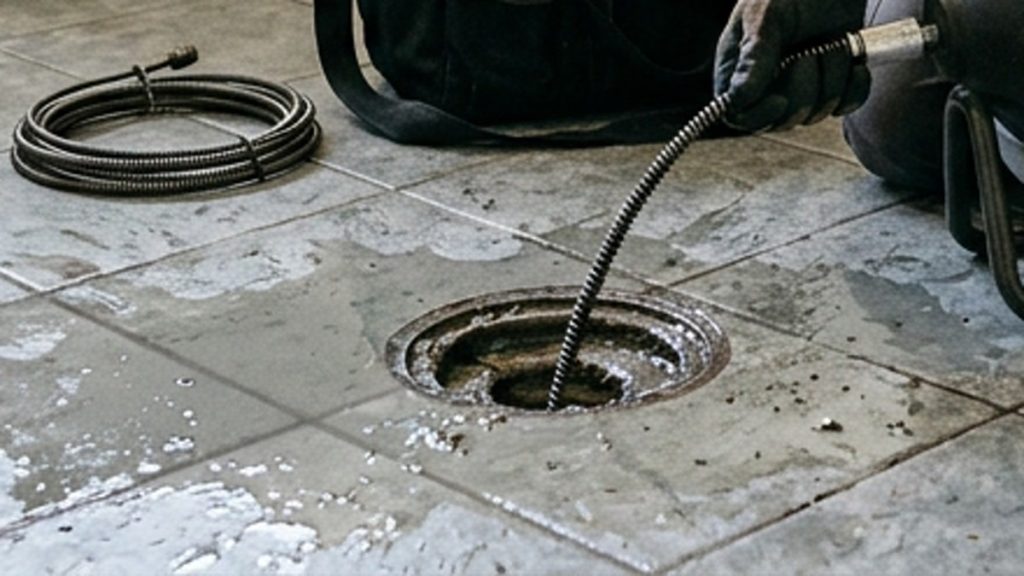
If a laundry room floor drain backs up, treat it as more than a simple nuisance. Start by stopping the water source if a washer is running, keep people away from standing water, and avoid using nearby fixtures until the water level goes down or a plumber checks the drain. A floor drain can back up because of lint buildup, soap residue, a partial branch-line clog, a main sewer restriction, or a problem with how the washer discharge is moving through the system.
The safest first step is to limit more water going into the drain. Then look for clues: is the backup only happening during the washing machine drain cycle, or does it happen when toilets, showers, or sinks are used too? That difference can help a plumber narrow the problem without guessing.
Why laundry room floor drains back up
Laundry areas put a lot of stress on a drain system. A washing machine can discharge a large volume of water quickly, and that water often carries lint, detergent, hair, pet fur, dirt, and small debris from towels or work clothes. Over time, those materials can collect inside a trap, branch line, or older pipe with rough interior walls.
In many Burbank and Los Angeles-area homes, the laundry setup may have been added, moved, or remodeled over the years. That does not automatically mean anything is wrong, but older housing stock can have a mix of pipe materials, tight bends, long drain runs, or venting issues that make laundry backups more likely when flow is heavy.
Common causes include:
- Laundry lint and detergent residue collecting inside the drain line.
- A partially blocked trap under or near the floor drain.
- A clogged branch line shared by the washer, utility sink, or nearby bathroom.
- Main sewer line restriction if multiple fixtures are backing up.
- Tree roots or pipe scale in older drain or sewer lines.
- Washer discharge issues where water enters the drain faster than the line can carry it away.
First steps when the drain starts backing up
If the washer is running, pause or stop the cycle if you can do that safely. Do not start another rinse or spin cycle just to “test it” while water is already coming up through the floor drain. More water can make cleanup harder and may push dirty drain water farther into the room.
Use towels or a wet/dry vacuum only if the area is safe and there are no electrical hazards nearby. If water is near outlets, appliances, extension cords, or exposed wiring, step back and call for help. Do not remove drain covers, reach into standing water, or use aggressive chemical drain cleaners. Chemical products can be harsh on pipes, may not reach the actual blockage, and can create extra risk for anyone who later has to open the line.
It is also smart to avoid running nearby fixtures until the backup is checked. If a toilet flush, shower, or sink use makes the floor drain rise again, that points to a bigger drainage problem than the laundry room alone.
How to tell if it is only the laundry drain
A laundry-only problem usually shows up during the washing machine drain cycle. The washer empties, the floor drain gurgles, and water appears around the drain. Once the cycle stops, the water may slowly settle. That pattern can happen when the laundry branch line is restricted or when lint and residue have narrowed the pipe.
Pay attention to timing. Does the drain back up only when the washer discharges? Does it happen with heavy loads but not small loads? Do you hear gurgling from a utility sink or nearby bathroom at the same time? Those clues are useful, but they are not a diagnosis. A plumber still needs to inspect the actual line, because the visible symptom can look similar across several different problems.
Signs the problem may be in the main drain or sewer line
If more than one fixture is affected, take the situation more seriously. A floor drain that rises when a toilet flushes, a shower runs, or a kitchen sink drains may be reacting to a restriction farther downstream. In that case, the floor drain may simply be the lowest point where water can escape.
Watch for these warning signs:
- Gurgling from toilets, tubs, showers, or sinks.
- Water backing up in the tub or shower when the washer drains.
- Multiple slow drains in different parts of the home.
- Sewer-like odors near the laundry room or bathroom.
- Backups that return soon after plunging or basic cleaning.
When the issue looks bigger than one fixture, a proper drain cleaning approach matters. Zenon’s drain cleaning service can help identify whether the blockage is local to the laundry drain or connected to a wider drain-line problem.
Why chemical drain cleaners are not the best answer
It is tempting to pour something into the floor drain and hope the water disappears. The problem is that laundry backups are often caused by buildup, pipe shape, heavy discharge volume, or a blockage that is not sitting directly under the drain cover. A chemical cleaner may not reach the right spot, and it can leave residue in the line for the next person who opens or snakes the drain.
For a small, slow drain, a homeowner can sometimes check for obvious surface debris around the drain grate. But if water is actively backing up, if the problem repeats, or if more than one fixture is involved, the safer move is to stop adding water and have the line inspected. Guessing can waste time and may make the cleanup bigger.
What a plumber may check
A plumber will usually start by asking when the backup happens and which fixtures are involved. From there, the next step may be checking the floor drain trap, testing flow from the washer, inspecting nearby fixtures, or accessing a cleanout if one is available. If the symptoms suggest a deeper restriction, camera inspection or a more thorough drain cleaning method may be recommended.
The goal is not just to make water disappear one time. It is to understand why the laundry drain could not keep up. A recurring backup might call for cleaning a branch line, clearing a main line, addressing buildup, or reviewing whether the washing machine discharge setup is contributing to the issue.
Local notes for Burbank and LA-area homes
Laundry rooms in local homes can vary a lot. Some are in garages, some are in converted spaces, some share walls with bathrooms, and some connect to older drain lines that have seen decades of use. That variety is one reason a one-size-fits-all answer is risky. The same symptom in two homes can have different causes depending on pipe age, layout, slope, venting, roots, and what other fixtures share the line.
For homeowners and property managers, the practical approach is simple: document when the backup happens, avoid sending more water into the line, and call before repeated backups become a larger cleanup problem.
When to call Zenon
Call a plumber if the floor drain backs up more than once, if water appears during the washer drain cycle, if other fixtures gurgle, or if you notice sewer odors. You should also call if standing water is spreading, if the area is near electrical equipment, or if you are not sure whether the water is from a clean supply source or the drain system.
For general plumbing service information, you can also review Zenon’s Plumbing & Drains hub to see how drain, sewer, leak, and emergency plumbing issues are handled across the home.
Zenon Plumbing & Restoration
Dealing with a laundry room floor drain backup in Burbank or nearby LA communities? Call (818) 640-2944. Phone answered 24/7, on-site Mon-Sat 9 AM–6 PM.


