 Mon-Sat 9AM-6PM
 Make an
Appointment (818) 640-2944
Make an
Appointment (818) 640-2944 2115 W Magnolia Blvd Unit C, Burbank, CA 91506
How to Tell If a Sewer Backup Is Starting Before It Reaches the Tub
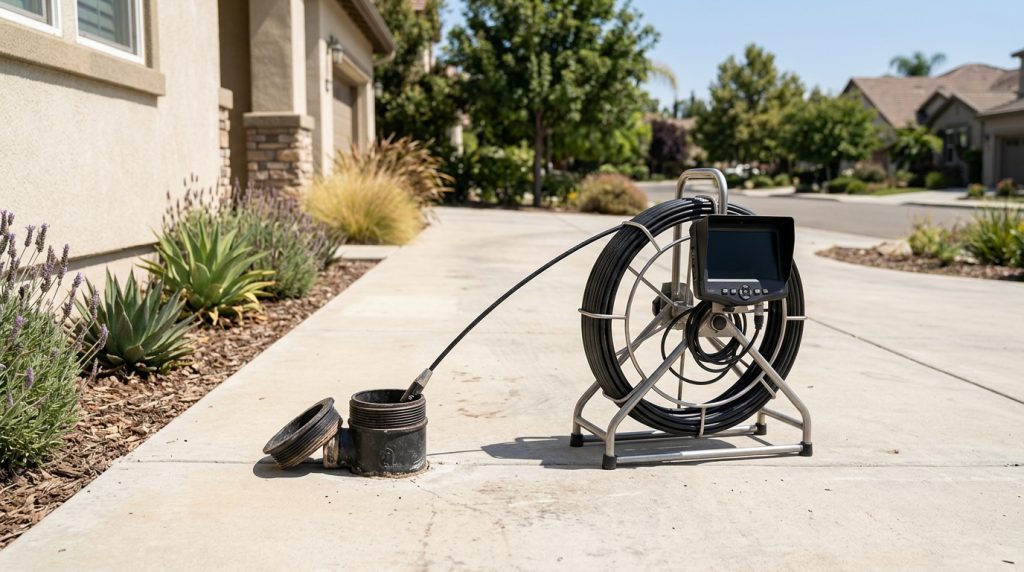
If a sewer backup is starting, the first clues are often small: a toilet that gurgles, a shower drain that slows down when the washing machine runs, or a faint sewer smell near a floor drain. Do not wait until wastewater reaches the tub to take it seriously. Stop using the affected fixtures, avoid chemical drain cleaners, and call a plumber if multiple drains are acting up at the same time.
This guide is for homeowners in Burbank, Glendale, Los Angeles, and nearby older-home neighborhoods who want to understand the warning signs before a messy backup turns into a bigger cleanup problem.
Fast answer: what are the early signs of a sewer backup?
A sewer backup may be starting if water is moving the wrong direction or several fixtures are connected to the same problem. Watch for these signs:
- Gurgling sounds from a toilet, tub, shower, or floor drain
- More than one slow drain at the same time
- Water appearing in the shower or tub when a toilet is flushed
- A strong drain or sewer odor that returns after normal cleaning
- Toilets that bubble, rise, or drain weakly
- Outdoor cleanout activity, wet spots, or unpleasant smells near the sewer line path
One slow bathroom sink may be a small fixture clog. Several drains acting strange together can point toward the main sewer line. If you are seeing that pattern, Zenon’s drain and sewer repair team can inspect the problem before it becomes a full backup.
Why sewer backups often show up in the tub or shower first
Homeowners often notice the tub first because tubs, showers, and floor drains are usually among the lower drain openings inside the home. When a main line is restricted, wastewater may look for the lowest open path. That is why a toilet flush, laundry cycle, or sink discharge can show up as murky water in a tub or shower.
That does not mean the tub itself caused the backup. The tub may simply be the first place where the larger drainage problem becomes visible. This is also why plunging the tub over and over may not solve the issue if the blockage is farther downstream.
Common causes behind an early sewer backup warning
Several problems can make a sewer line slow down before it fully backs up. A plumber needs to inspect the system in person to tell which one is happening, but these are common possibilities in Los Angeles-area homes:
- Grease and buildup: Kitchen grease, soap residue, and debris can narrow the inside of the line over time.
- Tree roots: Mature landscaping can send roots toward moisture around older sewer lines.
- Old pipe condition: Older clay, cast iron, or damaged lines may have rough spots, bellies, cracks, or offsets that collect debris.
- Foreign objects: Wipes, hygiene products, paper towels, and other non-flushable items can catch in the line.
- Heavy fixture use: Laundry, showers, toilets, and kitchen use happening close together can reveal a line that is already partially blocked.
The important thing is not to guess from one symptom. A slow tub plus a gurgling toilet is different from one sink that needs a local trap cleaning. Pattern matters.
What to do before it reaches the tub
If you think a sewer backup is starting, keep the first steps simple and safe:
- Stop using water-heavy fixtures. Pause laundry, dishwashing, showers, and repeated toilet flushing until the issue is checked.
- Keep people away from affected drains. If water or waste is coming up, do not touch it without proper protection.
- Do not pour chemicals into multiple drains. Chemical cleaners may not reach the real blockage and can create hazards for anyone working on the line.
- Write down the pattern. Note which fixture was used and where the water, smell, or sound appeared.
- Call for help if multiple drains are involved. A multi-fixture issue deserves a professional inspection, not repeated DIY attempts.
For active plumbing problems, remember: Phone answered 24/7, on-site service Mon-Sat 9 AM–6 PM. If there is standing water, sewage, electrical risk, or damage spreading into flooring or walls, treat the situation carefully and avoid unsafe cleanup.
How to tell a fixture clog from a main sewer problem
A fixture clog usually stays local. For example, one bathroom sink may drain slowly because hair and soap buildup are sitting near that drain. A kitchen sink may struggle after grease or food debris collects near the trap or branch line.
A main sewer problem is more suspicious when the home seems connected by one shared symptom. A toilet flush causes bubbles in the tub. The washing machine drains and a shower backs up. A floor drain smells bad at the same time several fixtures slow down. These patterns suggest the blockage may be lower in the drainage system.
There are still exceptions, especially in older properties with remodels, add-ons, or unusual drain routing. That is why a plumber should inspect rather than diagnose the entire system from one symptom.
Why older Burbank and LA homes deserve extra attention
Many homes around Burbank, Glendale, and Los Angeles have older plumbing layouts, mature trees, and additions completed at different times. A drain problem in these homes is not always just about what went down the drain last week. Pipe age, slope, previous repairs, root pressure, and past remodel choices can all affect how the system behaves.
That does not mean every older home has a major sewer problem. It means warning signs should be read in context. If the same drain line has backed up before, if tree roots have been mentioned in a past inspection, or if slow drains keep returning after clearing, it is worth taking the pattern seriously.
When camera inspection or cleaning may be needed
A professional may recommend drain cleaning, hydro jetting, a sewer camera inspection, or repair depending on what is found. The right next step depends on the line condition and the type of restriction. A simple clog may clear quickly. Root intrusion, pipe damage, or recurring buildup may need a more careful plan.
Homeowners should be cautious about anyone promising the same fix for every backup. The safest approach is to identify where the restriction is, understand whether the pipe is damaged, and then choose the least disruptive repair or cleaning option that fits the actual problem.
Questions to ask when you call
When you contact a plumber, a few details can help the visit start faster:
- Which fixture first showed the problem?
- Did it happen after flushing, showering, laundry, or kitchen use?
- Are multiple drains slow or only one?
- Is there visible water coming up anywhere?
- Has this happened before?
- Do you know where the main cleanout is located?
You do not need to solve the problem before calling. You are simply helping the plumber understand whether this sounds like a local clog, a branch-line issue, or a possible main sewer restriction.
Bottom line: act before the backup spreads
The best time to deal with a sewer backup is before water reaches the tub, shower, flooring, or walls. Gurgling, repeated slow drains, sewer odors, and water moving between fixtures are early warnings that deserve attention.
If you are not sure whether it is a small drain clog or a bigger sewer issue, keep water use limited and ask for a professional inspection. You can also start from Zenon’s main plumbing services hub if you are comparing drain cleaning, sewer repair, leak detection, or emergency plumbing help for your home.
Zenon Plumbing & Restoration
Need help with this plumbing problem in Burbank? Call (818) 640-2944. Phone answered 24/7; on-site service Mon-Sat 9 AM–6 PM.


