 Mon-Sat 9AM-6PM
 Make an
Appointment (818) 640-2944
 2115 W Magnolia Blvd Unit C, Burbank, CA 91506

Pipes Knock After a Faucet Shuts Off: Water Hammer Clues in Older LA Homes
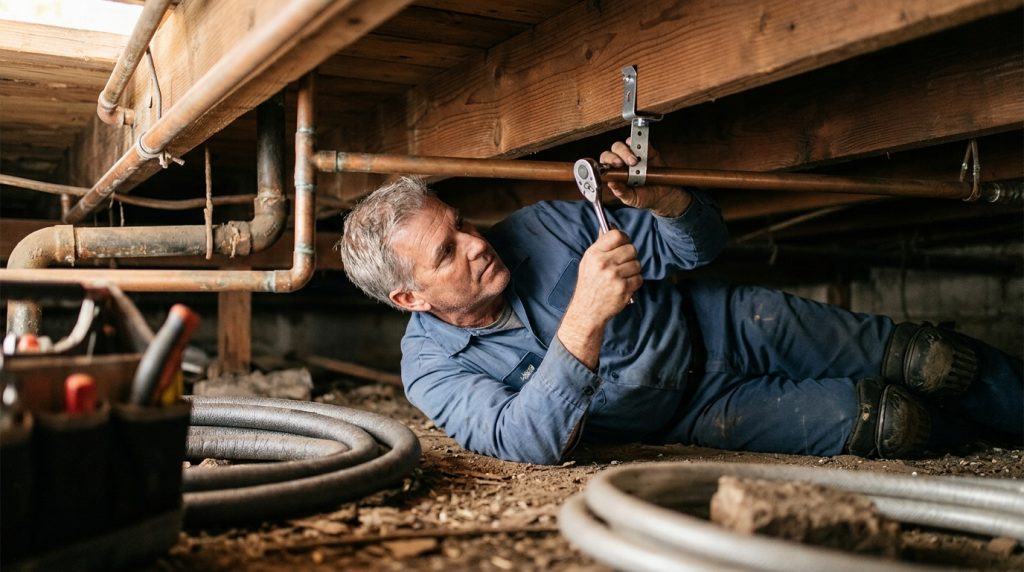
A sharp bang, thump, or shudder right after a faucet closes is often called water hammer. It happens when moving water stops suddenly and sends a pressure wave through the plumbing. The sound can also come from a loose pipe, a worn valve, or pressure that is higher than the system should handle. The timing offers a useful clue, but the noise alone cannot confirm the cause without seeing the plumbing in person.
If the knocking is new, getting louder, or accompanied by a leak, stop repeatedly testing the faucet. Check visible areas for moisture, know where the main shutoff is, and arrange an inspection. A plumber can reproduce the noise, check water pressure, examine the fixture, and determine whether the movement is isolated or affecting a larger part of the home.
Why do pipes knock when a faucet shuts off?
Water has momentum as it travels through a supply line. A fast-closing faucet or valve can stop that flow almost instantly. The sudden change creates a pressure wave that travels through the piping. If a pipe can move inside a wall, cabinet, crawlspace, or ceiling, that wave may make it strike framing or a support and produce the knock you hear.
This is why the sound often happens at the exact moment a handle is closed rather than while the faucet is running. It may be one clean bang, several smaller taps, or a brief vibration. The sound can seem as though it comes from a different room because pipes carry vibration through the building.
Not every shutdown noise is classic water hammer. A loose pipe strap can let normal movement become noisy. A worn faucet cartridge or shutoff valve may chatter. Pressure-regulating equipment can also affect how the system reacts when flow changes. The practical goal is not to name the sound from across the room; it is to identify what action triggers it and what part of the system moves.
Why can the problem stand out in older Los Angeles homes?
Older homes around Los Angeles can contain plumbing installed or modified in different decades. A house may have original metal piping in one section, newer material in another, and fixture updates added over time. Supports may be difficult to see, and a remodel may have changed the route or restraint of a line. That mixed history can make a new noise harder to trace.
Local homes also vary widely in layout. Some have crawlspaces with accessible piping, while others run supply lines through slabs, finished walls, additions, or tight utility areas. A knock near a bathroom does not prove the problem is directly behind that bathroom wall. Sound can travel along a pipe before becoming noticeable at a contact point.
A helpful local observation is whether the noise began after a fixture replacement, plumbing repair, appliance installation, or change in water service. That sequence can help a technician narrow the inspection without assuming that the newest component is automatically at fault.
Which details help narrow down the source?
Before scheduling service, note the pattern without repeatedly creating a severe bang. Useful details include:
- Which faucet, toilet, washing machine, dishwasher, or irrigation valve was used just before the sound?
- Does the noise happen with hot water, cold water, or both?
- Does a gentle faucet closure stay quiet while a quick closure causes a bang?
- Is the sound limited to one fixture or heard after several fixtures stop?
- Did it begin after a repair, remodel, appliance hookup, or neighborhood water interruption?
- Can you see a pipe moving under a sink or in an open utility area?
- Is there any dripping, staining, damp drywall, or change in water pressure?
A short phone video can be useful if it records the sound and the fixture that triggered it. Do not open a wall, crawl into an unsafe space, or remove plumbing components just to capture evidence. Simple observations are enough to make the first conversation more productive.
Is one bang less serious than repeated knocking?
A single occasional thump and a repeated series of hard knocks are different patterns, but neither can be rated accurately without context. Repeated noise may indicate a valve chattering, a pipe moving at more than one contact point, or a pressure wave bouncing through the system. A one-time bang may still deserve attention if it is forceful or new.
Frequency matters too. A sound that occurs only when one quick-closing device stops may point the inspection toward that branch. Noise after several fixtures close can justify checking system pressure and shared supply piping. If the sound has changed from a light tick to a strong impact, that change is more informative than the label a homeowner gives it.
Can high water pressure make knocking worse?
Pressure can influence how forcefully a plumbing system reacts, but a loud pipe does not prove that pressure is high. Measuring pressure with suitable equipment and interpreting it under the right conditions is more reliable than guessing from faucet flow. Pressure may also change over time, so one casual reading does not always explain an intermittent complaint.
A plumber may check static pressure, observe what happens while fixtures run, and inspect any pressure-regulating components that apply to the property. The next step depends on what those checks reveal. Adding a device without confirming the cause can leave a loose pipe, failing valve, or another issue unresolved.
Should you install a water hammer arrestor yourself?
Water hammer arrestors are designed to absorb a sudden pressure change in certain applications. They can be useful when correctly selected and installed near an appropriate quick-closing valve. They are not a universal cure for every knocking sound.
If the real problem is unsupported piping, a worn component, unusual pressure, or an incorrectly configured system, adding an arrestor may not address it. Installation can also require shutting off water, opening a supply connection, and checking the finished work for leaks. Homeowners who are not comfortable making plumbing connections should leave that work to a professional.
Safe steps are limited: avoid slamming the faucet closed, look for visible leaks, and keep the area around accessible shutoffs clear. Do not tighten hidden piping, cut into walls, or adjust a pressure regulator based only on the sound.
When should knocking pipes be inspected promptly?
Arrange an inspection sooner when the banging is strong, frequent, spreading to more fixtures, or paired with another symptom. Pay particular attention to:
- Water stains, damp cabinets, bubbling paint, or an unexplained wet area
- A visible pipe that jumps or strikes a surface when flow stops
- A sudden change in pressure at multiple fixtures
- Noise that began immediately after plumbing work or an appliance hookup
- A valve that chatters, will not close normally, or appears to leak
- Knocking followed by dripping or the sound of water continuing inside a wall
If active leaking begins, shut off the nearest appropriate valve or the main water supply if you can do so safely. Keep away from wet electrical equipment and do not enter a damaged area that appears unsafe.
What will a plumber check?
An in-person evaluation usually starts by reproducing the symptom carefully and identifying which fixture or appliance triggers it. The plumber may inspect accessible supply lines and supports, evaluate the faucet or valve, check pressure, and look for signs of movement or leakage. The correct repair might involve the triggering fixture, pipe restraint, pressure control, or a properly placed arrestor, but the findings should lead the repair rather than the other way around.
For homeowners with persistent banging after a faucet closes, Zenon’s Los Angeles emergency plumbing page explains the local service path. A new sound is worth documenting even when no water is visible, because an early inspection can separate a minor noise issue from a condition that needs more direct attention.
A calm next step for an LA homeowner
Homes across Los Angeles are not built or repiped alike. Pipe age, additions, remodels, access, and fixture types all change what a technician may find. The useful approach is to record when the knock happens, avoid aggressive DIY adjustments, and have the actual system checked before choosing a repair.
Need help tracing a new plumbing knock?
Call (818) 640-2944. Phone answered 24/7, on-site Mon-Sat 9 AM–6 PM. You can also contact Zenon online to request an inspection.


