 Mon-Sat 9AM-6PM
 Make an
Appointment (818) 640-2944
 2115 W Magnolia Blvd Unit C, Burbank, CA 91506

Sediment Appears After the Water Is Turned Back On: Clues in Older Galvanized Pipes
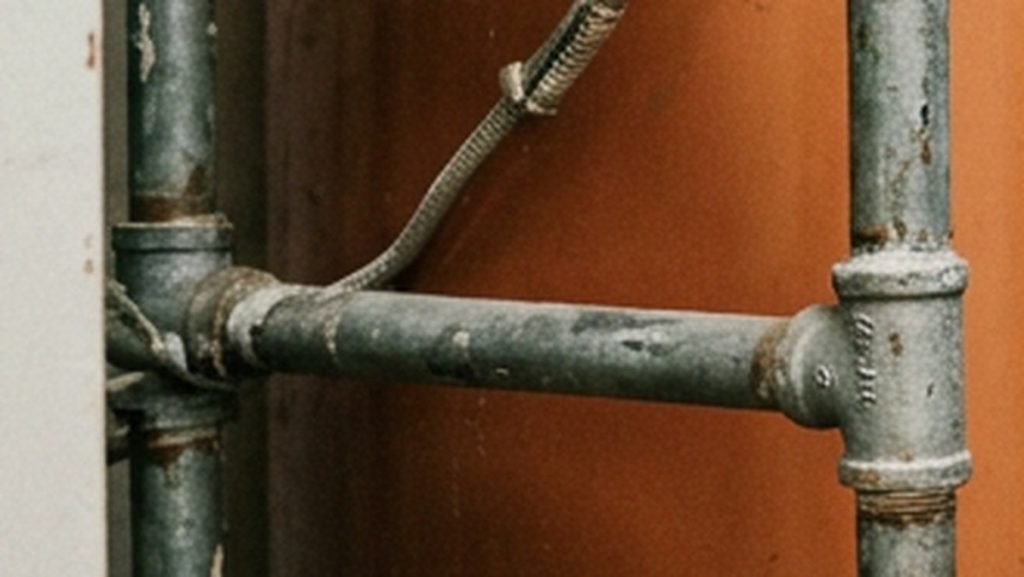
Seeing sediment after the water is turned back on can be unsettling, especially when the water looked clear before a shutoff. The fast answer is that a change in flow can disturb rust, mineral buildup, or other loose material inside an older plumbing system. A brief burst at one faucet may point to debris near that fixture, while sediment at several fixtures may suggest a broader supply-line issue. The color and location offer clues, but they do not confirm the cause by themselves.
Start by noting whether the change affects hot water, cold water, one fixture, or the whole home. Avoid taking apart old valves or galvanized piping, which may be fragile. If the discoloration continues, returns repeatedly, comes with low pressure, or appears alongside moisture or an active leak, arrange an in-person plumbing inspection.
Why can sediment appear after the water is restored?
When water is shut off, pressure and flow inside the plumbing change. Turning the supply back on creates another change as water begins moving through the lines again. That movement can loosen material that had settled inside a pipe, valve, faucet supply line, or aerator.
In homes with older galvanized steel piping, internal corrosion may also create rough surfaces where deposits collect. A shutoff does not necessarily create the underlying problem. It may simply make an existing condition more visible by changing the direction or speed of the water for a short time.
Other possible explanations include work on a nearby municipal line, debris released from a recently operated shutoff valve, or buildup at a single fixture. Because several causes can look similar at the faucet, it helps to narrow down where and when the sediment appears rather than assuming the pipes need a specific repair.
Does the problem affect one faucet or the whole house?
This is one of the most useful first questions. If sediment appears at only one faucet, the issue may be close to that fixture. The faucet aerator can trap particles, and an older flexible supply line or fixture valve can also contribute debris. A plumber can compare the affected fixture with nearby fixtures to determine whether the problem is isolated.
If several fixtures show the same change, the source may be farther upstream. Pay attention to whether affected fixtures are all on one side of the home, on one floor, or throughout the property. That pattern can help identify whether the concern is tied to a branch line, the main interior supply, or an outside supply event.
Do not repeatedly open and close an old main valve just to test it. Older valves can become stiff, fail to close fully, or begin leaking after they are disturbed. If the valve feels stuck or moisture appears around it, stop and have it inspected.
Is the sediment in the hot water, cold water, or both?
Testing hot and cold water separately can provide another clue. Sediment found only on the hot side may direct attention toward the water heater, a hot-water branch line, or a fixture’s hot supply connection. Sediment on the cold side at multiple fixtures may point elsewhere in the supply system.
Run this comparison only at fixtures that are operating normally and do not have an active leak. Keep a simple note of which side is affected, how long the discoloration lasts, and whether pressure changes at the same time. That information is more useful during an inspection than a broad description such as “the water looked dirty.”
Do not drain or service a water heater unless you know the manufacturer’s procedure and the unit’s condition. Older equipment, hot water, gas connections, and electrical components add risks that make improvised troubleshooting a poor choice.
What do different colors and particles suggest?
Color can help organize observations, but it is not a diagnosis. Orange or reddish-brown particles can be associated with rust in iron-containing components or galvanized piping. White or tan grit may be related to mineral deposits. Dark specks can come from several sources, including deteriorating fixture components or buildup elsewhere in the system.
Appearance alone cannot establish what the material is or where it originated. Instead of trying to identify it by touch or taste, take a clear photo in good light and note the affected fixtures. If you can safely catch a small sample in a clean, clear container, it may make the pattern easier to show a plumber. Do not use a sample as a substitute for professional testing or an on-site assessment.
What can a homeowner safely check?
A few non-invasive observations can help narrow the issue without opening pipes or forcing old valves:
- Check whether the sediment appears at one fixture or several.
- Compare hot and cold water separately.
- Look for a matching drop or surge in water pressure.
- Check visible areas under sinks and around the shutoff location for moisture.
- Ask whether nearby utility work or a building-wide shutoff recently occurred.
- Photograph the water and record how long the condition lasts.
If the issue is limited to one faucet and there is no leak, checking the removable aerator for trapped debris may be reasonable when it can be removed without force. Stop if the fixture is corroded, the aerator will not turn easily, or a valve must be disturbed to proceed. Forcing an aging part can turn a minor symptom into a leak.
When can sediment point to aging galvanized pipes?
Galvanized steel pipes can corrode internally as they age. That process may reduce the opening inside the pipe, trap deposits, and contribute to rusty discoloration or uneven flow. Still, one brief episode after a shutoff does not prove that galvanized piping is the cause.
A broader pattern makes an inspection more important. Examples include sediment that returns after multiple shutoffs, persistent discoloration, weak pressure at several fixtures, frequent aerator clogs, visible corrosion, or recurring pinhole leaks at connections. These signs can also overlap with other plumbing problems, so the next step should be diagnosis rather than guessing at a repair.
For a concern that appears tied to a hidden or aging supply line, leak detection for Burbank homes can help narrow down what is happening before repair options are discussed. The right approach depends on the pipe material, the affected area, and what an on-site inspection finds.
When should you call a plumber?
Arrange service when sediment does not clear, returns repeatedly, affects multiple fixtures, or comes with a meaningful pressure change. Call promptly if you also see an active leak, damp flooring, wall stains, cabinet moisture, or water near electrical equipment. If a leak is active, shut off the appropriate water supply only if the valve is accessible and can be operated safely.
In Burbank and the greater Los Angeles area, homes often contain plumbing from more than one remodeling period. A newer kitchen or bathroom does not always mean the concealed supply lines were replaced at the same time. That mixed plumbing history is why a fixture-by-fixture and line-by-line assessment is more reliable than judging the entire system from the age of visible finishes.
What information should you share when requesting service?
Tell the plumber when the shutoff occurred, why the water was turned off, and whether anyone worked on the plumbing or nearby water main. Explain which fixtures are affected, whether the issue is on the hot or cold side, and whether pressure changed. Photos and a short timeline can make the first conversation more productive.
Zenon Plumbing & Restoration can evaluate the visible symptoms and recommend next steps based on the system in front of us. To request an inspection, contact the team online or call (818) 640-2944. Phone answered 24/7, on-site Mon-Sat 9 AM–6 PM.


