 Mon-Sat 9AM-6PM
 Make an
Appointment (818) 640-2944
Make an
Appointment (818) 640-2944 2115 W Magnolia Blvd Unit C, Burbank, CA 91506
Slab Leak or Irrigation Leak? How LA Homeowners Can Narrow the Clues
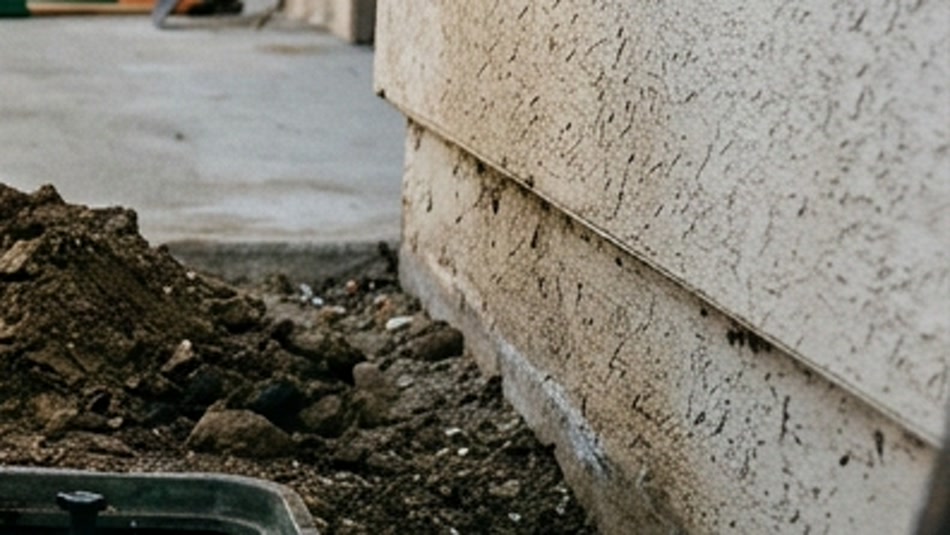
If you notice damp flooring, a warm spot near a wall, an unusually wet patch outside, or a water bill that suddenly jumps, it is reasonable to wonder whether the leak is under the slab or somewhere in the irrigation system. The safest fast answer is this: do not guess based on one clue. Shut off what you can safely shut off, compare indoor and outdoor symptoms, and call a plumber if the meter keeps moving or the wet area keeps spreading.
For Los Angeles-area homes, this question comes up often because many properties have a mix of older supply lines, concrete slabs, planters, sprinkler zones, and hard-to-see exterior piping. A slab leak and an irrigation leak can both waste water and cause damage, but the next step is different depending on where the leak is likely coming from.
Fast answer: start with the water meter and the shutoff valves
Before opening walls, pulling up flooring, or assuming the worst, use a simple decision path:
- Turn off faucets, appliances, irrigation timers, and any visible water-using fixtures.
- Check the water meter. If the leak indicator is still moving, water is likely still running somewhere.
- If your irrigation system has its own shutoff, turn it off and check whether the meter movement changes.
- If safe and accessible, turn off the main house shutoff and check whether the meter stops.
These checks do not diagnose the problem by themselves, but they help separate “possibly outside irrigation” from “possibly inside supply plumbing.” If the meter keeps moving with irrigation off, or if the signs are inside the home, the issue should be handled carefully. For suspected under-slab plumbing, Zenon’s slab leak repair team can inspect the situation and explain the next step before repairs begin.
Clues that point more toward a slab leak
A slab leak usually means a water line under or near the concrete foundation may be leaking. You should not treat these signs as proof, but they are worth taking seriously:
- Warm flooring in one area. This can happen when a hot water line is involved.
- Damp carpet, buckling floors, or moisture near baseboards. Interior moisture with no obvious spill or appliance source deserves attention.
- The sound of running water when everything is off. Listen near bathrooms, kitchens, laundry areas, and quiet hallways.
- Low water pressure or a water heater that runs more than usual. These can have many causes, but they fit the leak checklist.
- Cracks or shifting smells near interior floors. Do not assume foundation damage, but do not ignore new moisture-related changes.
The key pattern is that the evidence is indoors, persistent, and not tied to a sprinkler schedule. If the wet area grows even when the irrigation system is off, a plumbing inspection becomes more important.
Clues that point more toward an irrigation leak
Irrigation leaks usually show themselves outside or around landscaping. They may run only during a scheduled sprinkler cycle, or they may leak continuously if a supply line before the valve is damaged. Watch for:
- One extra-green patch of grass or plants. A single soaked area can point to a broken sprinkler line or head.
- Water pooling near planters, valve boxes, or sprinkler heads. Check before and after the irrigation schedule runs.
- Muddy soil along a fence, walkway, or driveway edge. Exterior lines often run through these areas.
- A leak that stops when irrigation is shut off. That does not prove the whole story, but it is a strong clue.
- Overspray or broken heads. Sometimes the “leak” is a misdirected sprinkler head soaking a wall, window, or foundation edge.
In LA neighborhoods with older homes, added landscaping, and past remodels, exterior plumbing can be layered and confusing. A homeowner may not know where every irrigation line runs, especially if the system was installed by a previous owner.
Why the difference matters
A slab leak can send water under flooring, into baseboards, or through hidden areas of the home. An irrigation leak may mostly waste water outside, but it can still create trouble if it runs toward the foundation, into a crawlspace, or against exterior walls.
The repair path is also different. A sprinkler technician may replace a head, valve, or exterior line. A plumbing technician may need to locate a pressurized supply leak, isolate the line, and discuss repair options. Guessing wrong can waste time and make the damage worse.
Safe steps homeowners can take before calling
There are a few useful checks you can do without cutting, digging, or opening building materials:
- Take photos of the wet area. Include the date and a wider shot so you can see whether it spreads.
- Check the meter with everything off. If the meter moves, note whether it moves slowly or quickly.
- Turn off the irrigation system. If there is a separate irrigation shutoff, use it and recheck the meter.
- Look for interior moisture. Check baseboards, flooring transitions, closets, and walls near bathrooms or kitchens.
- Avoid harsh digging or demolition. It is better to locate the source first than create extra damage.
If water is actively spreading inside, shut off the main water supply if you can do so safely. If water is near electrical outlets, panels, or appliances, keep distance and get professional help. Do not try to diagnose or repair a suspected slab leak by breaking concrete on your own.
Common LA-area situations that make this confusing
Homes in Burbank, Glendale, Los Angeles, and nearby neighborhoods often have older plumbing mixed with newer landscaping. A house may have copper, galvanized, PEX, or repaired sections from different decades. Outdoor irrigation may have been added long after the original plumbing was installed. Tree roots, hardscape, hillside drainage, and planter beds can also move water in ways that make the source look obvious when it is not.
That is why the best early goal is not to name the problem perfectly. The goal is to narrow the clues enough to decide who should inspect it and how urgent it is.
When to call a plumber
Call a plumber if the meter keeps moving when fixtures are off, the wet area is inside the home, flooring or baseboards are changing, you hear running water with no fixture on, or you cannot isolate the issue by shutting off irrigation. You should also call if the leak seems to involve hot water, because that can point to a supply line issue and may affect the water heater.
Need help narrowing down a possible slab leak or hidden plumbing leak? Call (818) 640-2944 — Phone answered 24/7, on-site Mon-Sat 9 AM–6 PM. You can also contact Zenon Plumbing & Restoration online to request help with a plumbing concern in the Los Angeles area.
Zenon Plumbing & Restoration
Need help with this plumbing problem in Burbank? Call (818) 640-2944. Phone answered 24/7; on-site service Mon-Sat 9 AM–6 PM.


