 Mon-Sat 9AM-6PM
 Make an
Appointment (818) 640-2944
Make an
Appointment (818) 640-2944 2115 W Magnolia Blvd Unit C, Burbank, CA 91506
Supply Line Leak Behind a Bathroom Vanity: Early Signs Before Cabinet Damage
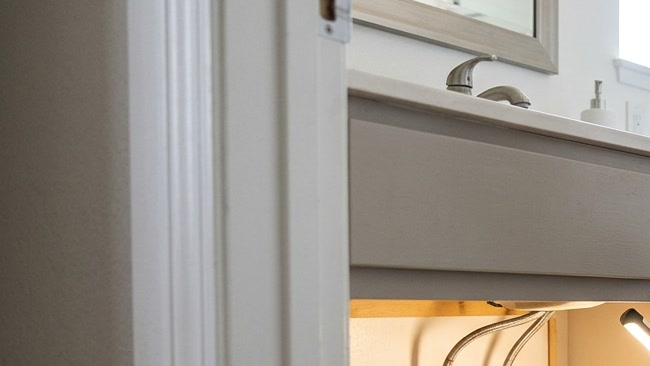
A small supply line leak behind a bathroom vanity can stay hidden long enough to damage the cabinet, flooring, baseboards, or wall behind the sink. The fast answer: if you see new staining, swelling, musty odors, or water near the shutoff valves, stop using that fixture when possible, dry what you can reach, and have the leak checked before it spreads into materials you cannot see.
Bathroom vanity leaks are frustrating because they often look minor at first. A slow drip from a valve, braided connector, faucet supply line, or drain connection may only show up as a damp cabinet floor or a faint stain. In many Burbank and Los Angeles-area homes, especially older homes with updated vanities, tight cabinet space can also make it harder to see where the water is coming from.
Fast answer: what to do first if you suspect a vanity supply line leak
Start with simple, safe steps. Remove items from under the sink, place a dry towel on the cabinet floor, and look around the hot and cold shutoff valves, the flexible supply lines, and the base of the faucet. If water is actively dripping, turn the small shutoff valve under the sink clockwise until it stops. If the valve does not move easily, do not force it; older valves can break or start leaking worse.
If the cabinet is wet, wipe up standing water and leave the doors open for airflow. Avoid sealing the area up with stored cleaning products or towels, because trapped moisture can make cabinet swelling and odors worse. If water is still appearing after the fixture is shut off, the leak may not be limited to the faucet supply connection, and it is time to get help.
Early signs before cabinet damage gets obvious
Many vanity leaks start with small clues. Watch for these signs before the cabinet floor starts sagging or the baseboard stains become obvious:
- Warped cabinet bottom: particleboard and MDF vanity floors can swell quickly when they stay damp.
- Discoloration around shutoff valves: brown rings, dark spots, or mineral buildup may point to a slow leak.
- Musty smell under the sink: odor can show up before visible water, especially in a closed cabinet.
- Peeling paint or bubbling veneer: moisture can loosen cabinet finishes and wall paint near the vanity.
- Water marks on nearby baseboards: a leak inside the vanity can spread along the floor line.
- A supply line that looks kinked, corroded, or stressed: tight bends and aging connectors deserve attention.
One clue by itself does not prove where the leak is coming from. Toothbrush cups, cleaning bottles, condensation, and splash water can all create confusing signs. The goal is not to diagnose it perfectly on your own; the goal is to notice the pattern early enough that the leak can be traced before it damages more material.
Common places a bathroom vanity supply line can leak
The supply lines are the small water lines that feed the faucet. In a typical vanity, there is a hot line and a cold line, each connected to a shutoff valve under the sink. Leaks can happen at several points:
- the connection between the shutoff valve and the flexible supply line
- the connection at the faucet body above the cabinet
- an aging braided connector or compression fitting
- a shutoff valve packing nut or valve stem
- a pipe stub-out coming through the wall
Drain leaks can look similar, but they usually show up after the sink is used and often appear below the trap or drain pipe. A supply line leak may continue even when the sink basin has not drained any water, because the line is under pressure. That distinction matters when deciding whether the fixture should stay off until a plumber can inspect it.
When the cabinet floor is wet but you cannot see a drip
Hidden vanity leaks are common because water can travel. A small drip may run down the back of a pipe, follow the wall, or collect under a liner before it becomes visible. If you cannot find a drip, try drying the area completely and placing a clean paper towel under the shutoff valves and supply lines. Check it again after a short period, especially after someone uses the faucet.
Do not cut open walls, pull out cabinets, or remove flooring just to investigate. If the area keeps getting wet, a careful inspection can help separate a supply leak from a drain leak, faucet leak, wall leak, or splash issue. For leak tracing in Burbank homes, Zenon’s Burbank leak detection service can help locate the source before the problem spreads farther into cabinet, drywall, or flooring materials.
Why small vanity leaks can become bigger repair problems
Bathroom vanities often hide porous materials in a tight space. Cabinet bottoms, toe kicks, drywall, and baseboards can absorb moisture quietly. Once those materials swell or soften, drying the visible surface may not be enough. A leak that starts as a slow drip can also attract pests, create stubborn odors, or stain nearby flooring.
The risk is higher when the bathroom is on a second floor, near shared walls, or above a ceiling below. Water does not always travel straight down. It can move along framing, baseboards, or flooring seams before showing up somewhere that seems unrelated to the vanity.
Safe homeowner steps while you wait for help
If the leak is small and the area is safe to access, these steps can limit additional damage:
- Turn off the vanity’s hot or cold shutoff valve if you can do so easily.
- Stop using the sink until the source is confirmed.
- Remove stored items so they do not trap moisture against the cabinet floor.
- Dry visible water with towels.
- Keep the cabinet doors open for airflow.
- Take photos of the wet area before cleanup if you need a record for your own notes.
Avoid tightening fittings aggressively, using sealants as a shortcut, or forcing old valves. Those quick fixes can make the leak worse. If water is near outlets, lights, or electrical equipment, stay clear of that area and get professional help before touching wet surfaces nearby.
Local note for Burbank and LA-area homes
Many local homes have a mix of older plumbing, remodeled bathrooms, replacement vanities, and tight under-sink spaces. A newer faucet can still connect to older shutoff valves. A refreshed bathroom can also hide older wall piping behind clean finishes. That is why a small under-sink leak should be handled as a source-finding problem, not just a towel-and-wait problem.
Older cabinets may also hide previous water damage. If the cabinet floor was already soft, a new leak can make the damage look sudden even though the material was weakened before. A calm inspection helps separate what is active now from older staining or past repairs.
When to call instead of waiting
Call for help if the cabinet keeps getting wet after the shutoff valve is closed, the valve itself is leaking, the floor or wall feels soft, the smell is getting stronger, or you cannot tell whether the leak is coming from the supply line, drain, faucet, or wall. You should also call sooner if the bathroom is upstairs or the water has reached baseboards, flooring seams, or the room below.
For active leaks, Zenon’s phone is answered 24/7, on-site service Mon-Sat 9 AM–6 PM. If you want someone to look at the issue and advise on next steps, you can also contact Zenon Plumbing & Restoration to request service.
Bottom line
A bathroom vanity supply line leak is easy to underestimate because the first signs can be small. New stains, swollen cabinet material, musty odors, or moisture around the shutoff valves are worth checking right away. Shut off the fixture if it is safe, dry what you can reach, and do not force old valves or fittings. The sooner the source is found, the better chance you have of avoiding cabinet, flooring, and wall damage.
Zenon Plumbing & Restoration
Need help with this plumbing problem in Burbank? Call (818) 640-2944. Phone answered 24/7; on-site service Mon-Sat 9 AM–6 PM.


