 Mon-Sat 9AM-6PM
 Make an
Appointment (818) 640-2944
Make an
Appointment (818) 640-2944 2115 W Magnolia Blvd Unit C, Burbank, CA 91506
Water Damage Around a Toilet Base: Leak Clues Homeowners Should Check
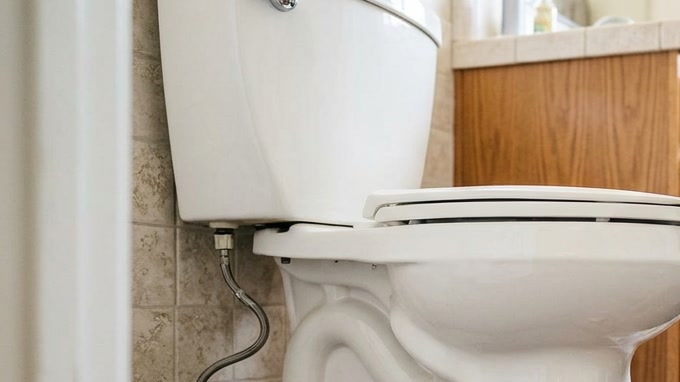
Water around a toilet base is easy to dismiss at first. It may look like a splash from the shower, condensation, or a small cleaning spill. But if the floor keeps looking damp, the caulk line is stained, or nearby baseboards are swelling, treat it as a leak clue until you know otherwise.
Fast answer: stop using that toilet if you can, dry the area, check whether the moisture returns, and look for signs that water has reached the flooring or wall materials. A loose supply line, worn wax ring, cracked tank, or drain connection problem can all leave water at the base. If the floor feels soft, the leak keeps returning, or you see staining spreading beyond the toilet, it is time to have the plumbing and surrounding moisture checked in person.
First, dry the area and see if the water comes back
Before assuming the worst, wipe the floor completely dry with towels. Pay attention to where the water first appears again. A small puddle behind the toilet can point toward the supply line or shutoff valve. Moisture at the front or sides of the base may point toward the seal between the toilet and drain. Water dripping from the tank can also run down the fixture and collect at the floor, making the source look lower than it really is.
If the toilet has an obvious active leak, shut off the toilet supply valve if it turns easily and safely. Do not force a stuck valve, especially in an older Burbank or LA-area home where shutoff hardware may be aged or brittle. If you are unsure, pause and call a plumber rather than turning a small leak into a larger one.
Common plumbing clues around a toilet base
Water damage around a toilet base can come from several different places. The clues below can help you describe the problem, but they are not a diagnosis. A plumber still needs to inspect the fixture, floor, and connection before deciding what repair is appropriate.
- Water appears only after flushing: this may suggest a wax ring, flange, or drain connection issue.
- Water appears even when the toilet has not been used: the supply line, fill valve area, tank bolts, or shutoff valve may be involved.
- The toilet rocks or shifts: movement can break the seal at the base and let water escape during use.
- The caulk line is brown, gray, or separating: moisture may be sitting under or against the toilet instead of drying out.
- The floor feels spongy near the toilet: water may have reached the subfloor or surrounding materials.
These signs matter because a toilet leak is not always limited to the tile surface. Water can move under flooring, along baseboards, or into wall cavities before it looks serious from above.
When it may be more than a simple toilet repair
A quick part replacement may solve some toilet leaks. But if water has been sitting for a while, the plumbing fix is only one part of the problem. The affected floor, drywall, trim, or nearby cabinet materials may also need to be evaluated for moisture.
Watch for changes such as curling flooring, dark stains near the baseboard, a musty smell, bubbling paint, or repeated dampness after the toilet is dried. These are signs that the moisture may have spread beyond the visible puddle. In that situation, the safer approach is to stop using the fixture, limit the water source if possible, and have both the plumbing source and wet materials checked.
Zenon’s Burbank water damage restoration page is the best next step when a plumbing leak has moved from “small puddle” to flooring, baseboard, drywall, or drying concerns.
What homeowners can safely check before calling
You do not need to take the toilet apart to be helpful. In fact, removing the toilet without the right tools can make the leak messier and may expose damaged flooring you are not ready to handle. Instead, focus on safe observations.
- Take photos of the wet area before drying it.
- Note whether water appears after flushing, after the tank refills, or constantly.
- Check whether the toilet rocks gently when touched. Do not keep rocking it to test.
- Look at the supply line and shutoff valve for beads of water.
- Keep towels down only as a temporary measure. Do not let wet towels sit against trim or drywall for long.
- Avoid chemical cleaners or sealants as a “fix” for a base leak. They can hide symptoms without solving the source.
If water is near electrical outlets, built-in cabinets, or lower-level ceilings, stop and get help. The goal is not to prove the source on your own. The goal is to reduce additional water while a professional inspection confirms what is happening.
Why older Burbank bathrooms deserve extra caution
Many homes and apartments around Burbank, Glendale, and nearby Los Angeles neighborhoods have older bathroom layouts, remodeled flooring over previous layers, or shutoff valves that have not been touched in years. That can make a toilet-base leak harder to read. Water may travel under tile, vinyl, or baseboards before it becomes obvious, and a toilet that looks slightly loose may have been moving for longer than anyone noticed.
Local housing stock also varies a lot from one street to the next. A small condo bathroom, a raised-foundation home, and an older rental unit can each show water damage differently. That is why a calm, in-person inspection matters. The repair should match the actual plumbing setup, not a generic guess from a photo.
Questions to ask before approving the repair
When a plumber looks at the toilet and surrounding area, ask straightforward questions so you understand the scope:
- Where is the water most likely coming from?
- Does the toilet need to be reset, or is the leak from the supply side?
- Is there any sign that water reached the subfloor, baseboards, or wall?
- Should the area be dried or monitored before flooring is closed back up?
- What should I watch for after the repair?
Good answers should be specific to what the technician sees. Be cautious with anyone who promises the floor is completely fine without checking moisture or looking closely at the affected area.
When to request service
Call for help if the water returns after drying, the toilet moves, the floor feels soft, the supply valve is leaking, or the damp area is spreading. Also call if you are not comfortable shutting off the toilet supply or if the leak is in a rental, condo, or upstairs bathroom where water can affect other units or rooms below.
Zenon Plumbing & Restoration
Need help with water around a toilet base or moisture after a plumbing leak? Call (818) 640-2944. Phone answered 24/7, on-site Mon-Sat 9 AM–6 PM. You can also contact Zenon online to request help.


