 Mon-Sat 9AM-6PM
 Make an
Appointment (818) 640-2944
Make an
Appointment (818) 640-2944 2115 W Magnolia Blvd Unit C, Burbank, CA 91506
Water Heater Pan Has Water In It: What That Usually Means
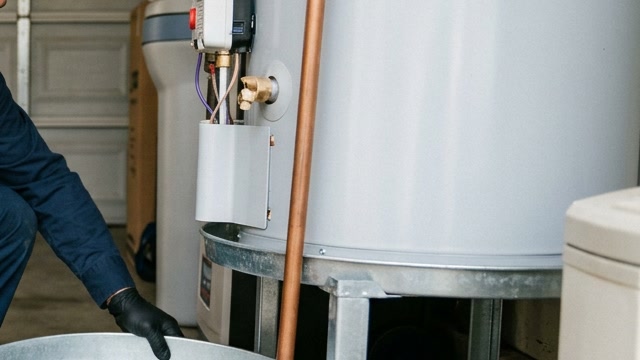
If the pan under your water heater has water in it, treat it as an early warning sign. A small amount might come from condensation, a nearby spill, or water released from a valve, but standing water in the pan can also point to a leak that needs attention before it damages flooring, drywall, or nearby belongings.
The safe first step is simple: look, do not guess. Check whether the water is fresh, whether it keeps coming back after you dry the pan, and whether you can see dripping from the tank, pipe connections, or relief valve. If the pan refills, if the tank is actively leaking, or if water is spreading beyond the pan, it is time to have the system inspected by a professional. For water heater problems that need hands-on repair, Zenon’s water heater repair service can help homeowners sort out what is happening without turning a small warning sign into a bigger cleanup.
Why is there water in the pan under my water heater?
A water heater pan is designed to catch minor leaks or discharge before water reaches the floor. It is not meant to stay wet all the time. When you notice water there, the most common possibilities include:
- Condensation: In some conditions, especially around temperature swings, light moisture can collect. This is usually limited and should not keep refilling the pan.
- A valve release: The temperature and pressure relief valve can discharge water if pressure or temperature conditions trigger it. This should be checked, not ignored.
- Loose or aging pipe connections: Small drips may appear around cold-water supply, hot-water outlet, or other fittings near the top of the unit.
- A drain valve issue: The drain valve near the bottom of the tank may seep if it is not fully closed or if the seal is wearing out.
- A tank leak: If water appears to be coming from the tank body or the bottom of the unit, that is more serious and should be inspected promptly.
- Water from another source: Sometimes the pan catches water from a nearby plumbing line, condensate line, or spill rather than from the heater itself.
The key is whether the water is a one-time event or a repeat problem. A dry pan that stays dry is different from a pan that refills after you wipe it out.
What should you check before calling?
You do not need to take the water heater apart to gather useful information. In fact, you should not remove covers, work around gas components, or try electrical-adjacent repairs if you are unsure what you are looking at. But you can safely observe a few things from the outside.
Start by drying the pan with a towel if it is safe to do so. Then wait and look again. Does water return within minutes? Does it show up only after someone uses hot water? Is there a drip trail down the side of the tank? Do you see water on nearby walls, baseboards, or flooring?
Also check whether the pan has a drain line attached. A pan without a working drain line may fill and overflow faster than expected. If the water level is rising, avoid waiting for it to spill over. Water heater leaks can travel under flooring or into nearby walls before the visible puddle looks dramatic.
When is water in the pan urgent?
Water in the pan is more urgent when it keeps returning, when you see active dripping, or when water has already escaped the pan. It is also more urgent if the water heater is in a closet, garage corner, upstairs utility area, or anywhere moisture can spread into finished flooring or drywall.
Call for help sooner if you notice any of these warning signs:
- The pan refills after you dry it.
- Water is dripping from the tank itself.
- Water is spreading beyond the pan.
- The area around the heater smells damp or musty.
- Nearby drywall, baseboards, or flooring feel wet.
- You hear unusual hissing, popping, or running-water sounds.
- You are not sure whether gas, electrical, or pressure components are involved.
Do not assume the heater is fine just because hot water still works. A water heater can continue producing hot water while a leak is developing. The better question is whether the source of the water is known and whether the leak is getting worse.
What should you avoid doing?
A wet water heater pan is one of those situations where a few careful steps help, but overconfident DIY can make things worse. Avoid tightening random fittings, opening valves, draining the tank, or removing panels unless you know the system and the risk. Water heaters involve heat, pressure, and sometimes gas or electrical connections, so guessing is not worth it.
Also be careful with towels, boxes, or stored items around the heater. If water is spreading, move dry belongings away from the area if you can do so safely. Do not place items back around the unit until the leak source has been corrected and the area is dry.
If you decide to shut off water to the unit, make sure you understand which valve you are using. In an active leak, shutting off the water supply may help limit new water entering the heater, but the right step depends on the setup and what is leaking. If you are unsure, call before forcing anything.
Why Burbank and LA-area homes should take small leaks seriously
Many Burbank, Glendale, and Los Angeles-area homes have water heaters placed in garages, closets, laundry areas, or tight utility spaces. In older homes and multifamily buildings, a small leak can move into materials that are not easy to see right away. A pan may catch the first sign, but it does not fix the source.
Local housing stock also varies a lot. Some homes have older supply lines, tight clearances, or water heaters near finished rooms. That makes early inspection useful. The goal is not to panic over a little water. The goal is to find out whether it is a harmless one-time event or the beginning of a repair issue.
How a plumber thinks through the problem
A professional inspection usually starts with the visible source of water. The plumber may check the valve area, pipe connections, drain valve, tank condition, pan setup, and signs of moisture around the base. If the unit is older or the leak source is not obvious, the inspection may also look at whether surrounding plumbing is contributing to the water in the pan.
Not every wet pan means the water heater must be replaced. Some issues may be tied to fittings or valves. Other situations, especially suspected tank leaks, may be more serious. The important part is getting the cause identified in person instead of assuming from a photo or a single symptom.
What to do next if the pan keeps getting wet
If the pan under your water heater has water in it once, dry it and watch it closely. If it comes back, treat it as a repair signal. If water is spreading, protect nearby belongings if safe, avoid touching electrical or gas-related components, and get the system checked.
Need help deciding what is safe to do next? Call (818) 640-2944 — phone answered 24/7, on-site service Mon-Sat 9 AM–6 PM. You can also start from Zenon’s Plumbing & Drains service hub if you are comparing water heater, leak, or drain-related help around Burbank and the greater Los Angeles area.
Zenon Plumbing & Restoration
Need help with this plumbing problem in Burbank? Call (818) 640-2944. Phone answered 24/7; on-site service Mon-Sat 9 AM–6 PM.


